Japan's industry ministry has asked domestic wholesalers to switch to Brent crude oil pricing from the Dubai benchmark when setting gasoline prices, in an attempt to contain price increases, according to a document seen by Reuters.
The measure adds to the tools that Japan, which is dependent on the Middle East for more than 90% of its oil, has deployed to contend with the disruptions from the Iran war.
These have ranged from the partial release of oil reserves to considering an intervention in the crude oil futures market to address the yen's vulnerability.
The supply crisis is hitting Asia hard and Vietnam, Indonesia and India have reached out to Japan for support, the document showed.
Vietnam has asked for crude oil for its Nghi Son refinery, which is co-owned by Idemitsu Kosanthe document showed.
In addition, Inpex may consider supplying India with liquefied petroleum gas (LPG) in exchange for naphtha and crude oil, while Indonesia is also looking to procure LPG from Inpex, according to the document.
RECORD HIGHS
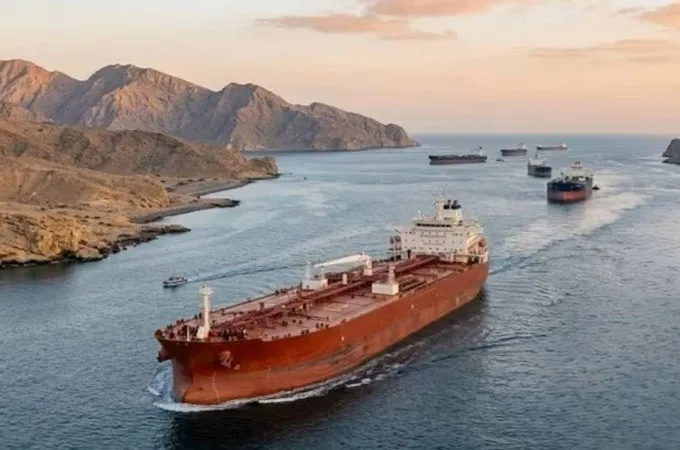
Dubai spiked to an all-time high of near $170 last week surpassing Brent , making Middle East supply the most expensive oil in the world, as the amount of crude available for trading fell after S&P Global Platts excluded three of the five crude grades in anticipation of a prolonged disruption to shipping via the Strait of Hormuz.
Japanese companies are buying oil at an average of $140 to $200 per barrel, METI said, after prices spiked following the outbreak of the US-Israeli war with Iran.
Brent crude oil futures are trading at around $100 per barrel, cheaper than the Asian benchmark Dubai crude, so switching will limit gasoline price increases, the document said, proposing that wholesalers continue to price off Brent from now on.
Such administrative guidance from the government is not legally binding, but companies typically comply.
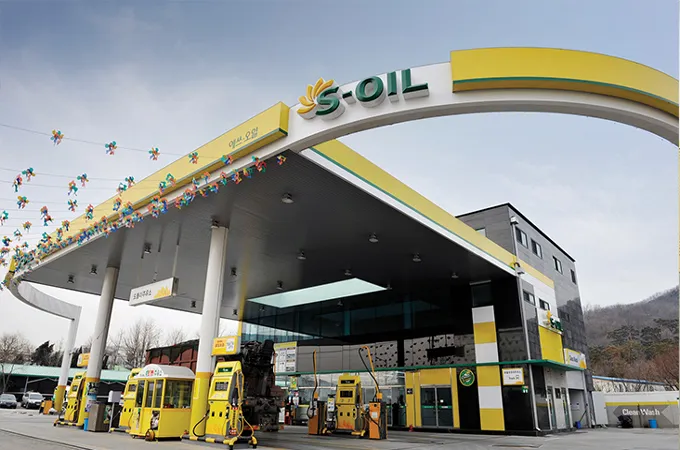
This month, gasoline prices in Japan crossed 190 yen ($1.19) per liter, the highest ever, forcing the government to introduce subsidies.
Japan started to release oil from its private stockpiles on March 16 and tapped national reserves, as well as the ones jointly held with three Gulf oil-producing nations, on March 26.
Japanese Prime Minister Sanae Takaichi asked International Energy Agency chief Fatih Birol for an additional coordinated release of oil stockpiles when they met in Tokyo.