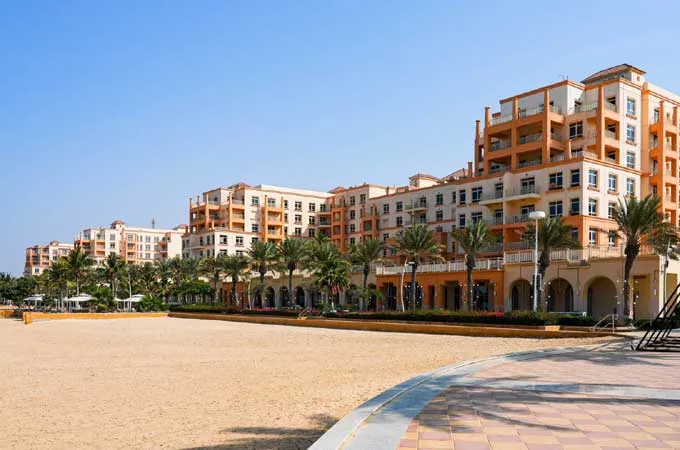
Dammam is dominating Saudi Arabia’s residential property sector growth, with quarterly sales values rising 71% to reach SAR3.6 billion ($947 million) in Q1 2026, according to new insights from leading real estate advisory and property consultancy, Cavendish Maxwell.
Around 2,900 homes were sold in Dammam from January to March this year, up 41% on Q4 2025, when sales values stood at SAR2.1 billion. Compared to Q1 last year, sales volumes in Dammam were 25% higher, with values up 48%.
Despite regional tensions, March 2026 saw the highest monthly sales in Dammam with 1,265 transactions, reinforcing the resilience of the housing sector in the city, the company said.
Cavendish Maxwell’s latest analysis of Saudi Arabia’s residential property market also reveals a quarterly rise in transaction volumes and values in Riyadh, with 8,800 sales worth a total of SAR13.4 billion in Q1 2026, representing an increase of nearly 12% and more than 4% respectively against Q4 2025.
Year-on-year, Riyadh’s sales volumes were 64% lower compared to Q1 2025, with values down 72%, reflecting more balanced activity compared to elevated levels in late 2024 and early 2025. Higher financing costs, affordability constraints, Ramadan, Eid and regional uncertainty also affected Riyadh’s Q1 performance, according to the report.
Q1 activity also moderated in Jeddah, where sales declined 25% compared to Q4 2025 and around 30% year-on-year. Investors spent SAR7.2 billion across 5,800 transactions in the first three months of the year, it stated.
Sales prices, rental rates
Cavendish Maxwell’s KSA report shows that while sales prices and rental rates in Riyadh, Jeddah and Dammam increased year-on-year, the pace of growth is beginning to moderate, with little or no change compared to Q4 2025.
In Riyadh, apartment sales prices averaged SAR6,200 per sq m in Q1, up 3.7% year-on-year, while villas climbed nearly 7% to SAR5,700 per sq m.
Prices for both apartments and villas were broadly the same as the previous quarter, it stated.
In Jeddah, the cost of apartments rose nearly 2% year-on-year and 1.3% quarter-on-quarter to SAR4,400 per sq m, with villa prices reaching SAR5,200 per sq m – an annual increase of 3.3% and a quarterly rise of 1%.
Meanwhile, in Dammam, year-on-year apartment prices rose 4%, with villas up more than 2%. Prices remained much the same as they were in Q4 2025.
Rental rates across KSA also rose compared to a year ago, but, as with sales prices, moderated in Q1 compared to the previous quarter.
In Riyadh, apartment rents were up nearly 6% and villas more than 5% on last year, but, thanks partly to the rent freeze introduced last September, declined 2.8% and 1.2% respectively compared to Q4 2025. New residential supply in Riyadh has also tempered rental prices in the capital.
In Jeddah, apartment rents were up 2.7% and villas nearly 1% compared to Q1 2025, with a softening against the previous quarter. Over in the Eastern Province, rents in Damman rose 3.2% year-on-year for apartments and 2.1% for villas.
Kevin Duffield, Director of Built Asset Consulting at Cavendish Maxwell, said: “While the potential implications of the regional geopolitical situation remain closely monitored by market participants, it is still too early to draw definitive conclusions.”
A clearer assessment will emerge as market performance is evaluated over a longer period. Saudi Arabia's residential market remains supported by strong domestic demand, with a predominantly local buyer base providing a degree of resilience against short-term external shocks.
“Development pipelines are evolving across each city, with Riyadh seeing the most new supply in the medium term, and growth in Jeddah and Dammam more modest and measured. Collectively, this expanding pipeline is expected to play an increasing role in shaping market dynamics and gradually improving the balance between supply and demand,” stated Duffield.
“Overall, while short-term market activity is expected to remain influenced by affordability constraints, financing conditions and external uncertainty, the medium-term outlook for Saudi Arabia’s residential sector remains supported by population growth, sustained government investment, and ongoing economic diversification,” he added.-TradeArabia News Service