Diplomatic efforts to defuse the Gulf crisis are expected to gain fresh momentum on Monday as the United States and Iran prepare to resume negotiations, following US President Donald Trump's decision to suspend a planned military strike against Iran.
Trump said the talks would begin on Monday afternoon after he ordered the cancellation of what he described as a "massive attack" on Iran, saying there were encouraging indications that negotiations could deliver agreements on both Iran's nuclear programme and the future of the Strait of Hormuz.
"We were all set to go," Trump told reporters aboard Air Force One. "The allies asked us to hold off because they believe there's a deal. There's a deal on Hormuz, and there will be a deal on the nuclear."
The US president declined to set a deadline for reaching an agreement, saying Washington remained prepared to act militarily if necessary but preferred a diplomatic solution.
"We're ready to go anytime we want. I'm not looking to kill people," he said.
Saudi Arabia urges restraint
Trump said regional allies, including Saudi Arabia, the UAE and Qatar, had urged restraint over the weekend, arguing that negotiations offered the best opportunity to prevent a wider regional conflict.
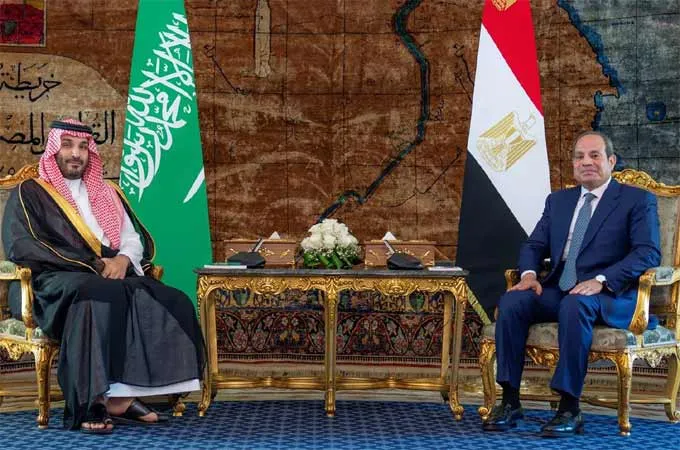
Saudi Arabia's efforts to encourage de-escalation appeared to play a significant role in the latest diplomatic push. Saudi state media reported that Crown Prince Mohammed bin Salman spoke with Trump and pressed for efforts to reduce tensions rather than resort to military action. Earlier reports also indicated the Saudi leader had expressed concerns over possible US strikes on Iran.
The decision to suspend military action was followed by a relatively calm night across the region, with no reports of new attacks involving either US or Iranian forces.
On the Iranian side, however, officials continued to project a firm stance.
Iranian Foreign Minister Abbas Araghchi held a series of high-level telephone discussions on Sunday with Saudi Foreign Minister Prince Faisal bin Farhan Al Saud and Pakistan's Army Chief General Asim Munir as Tehran intensified regional diplomatic contacts.
Iran has maintained that any military action by the United States or Israel would trigger a strong response. Iranian media said Araghchi reiterated that any aggression against the country would be met with a "firm and proportionate response."
Despite Trump's optimism, Tehran has rejected suggestions that it requested Washington to cancel the planned strikes. Iranian state media insisted the decision was made independently by the United States, while the semi-official Fars news agency dismissed Trump's claims.
Strait of Hormuz opening
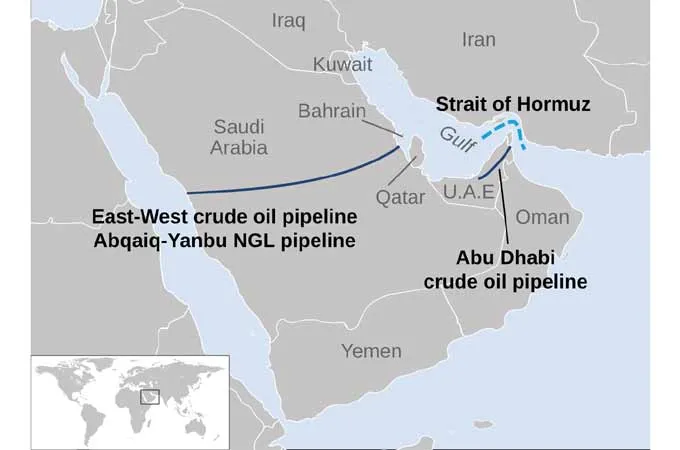
One of the most contentious issues remains the Strait of Hormuz, a vital shipping lane through which a significant share of global oil supplies passes.
Trump suggested negotiations could produce an agreement that would facilitate the reopening of the strategic waterway.
However, Iran's Foreign Ministry moved quickly to temper expectations. Foreign Ministry spokesman Esmaeil Baqaei said a separate understanding with Oman on an alternative shipping mechanism should not be interpreted as an agreement to reopen the Strait of Hormuz.
He said ongoing bilateral discussions with Oman were aimed at managing maritime traffic but stressed that reopening the strait depended on broader political and security considerations.
Baqaei accused the United States of creating the current situation through what he described as breaches of previous commitments and its naval blockade of Iran, adding that the future of the Strait of Hormuz remained "an entirely different equation."
Oil prices decline
Meanwhile, global oil prices fell sharply during Asian trading on Monday after Trump's announcement that negotiations would resume. Brent crude dropped about 4.5% to around $84 a barrel, while US benchmark crude declined by a similar margin to approximately $81, reflecting investor optimism that a negotiated settlement could reduce the risk of supply disruptions in the Gulf.