Middle East Energy 2026 opened today (September 1) at Dubai World Trade Centre, marking the 50th edition of the region’s leading energy event and bringing together global industry leaders to address energy security, resilience, rising demand and the transition to cleaner power.
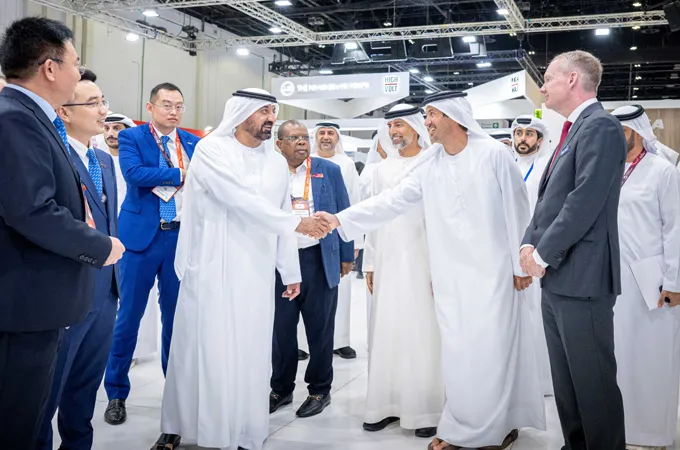
The opening ceremony and exhibition walkthrough were led by
Sheikh Ahmed bin Saeed Al Maktoum, President of Dubai Civil Aviation Authority,
Chairman of Dubai Airports, and Chairman and Chief Executive of Emirates
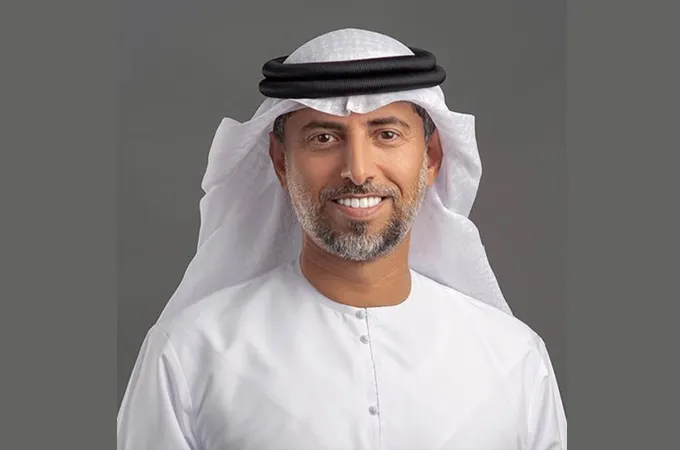
Airline and Group, alongside Suhail Al Mazrouei, Minister of Energy and
Infrastructure, and David Lynn, CEO, inD.
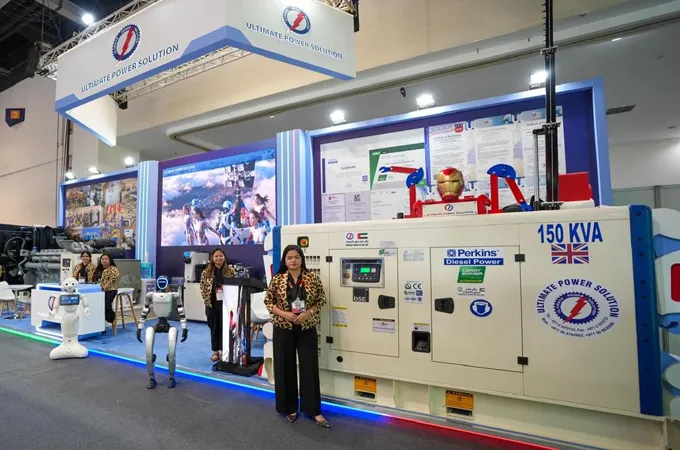
The delegation toured the exhibition and engaged with major
energy companies showcasing technologies and solutions for the sector.
In his opening address, Al Mazrouei highlighted the UAE’s
diversified energy portfolio and investments in nuclear and renewable energy.
“The UAE continues to build one of the region’s most
diversified energy portfolios, strengthening energy security while accelerating
the transition towards cleaner and more sustainable sources of energy. From the
Barakah Nuclear Energy Plant to the world’s largest 24/7 solar-plus-storage
project, with a planned capacity of 5.2 GW of solar power and 19 GWh of battery
storage, we are demonstrating that energy security, sustainability and economic
growth can progress together.”
He stressed that achieving a secure and sustainable energy
future will require cooperation across governments, industry, investors,
technology companies, academia and financial institutions.
“However, achieving a sustainable, resilient and
energy-secure energy future requires collective action. Governments, industry,
investors, technology companies, academia and financial institutions must work
together to meet the world's growing demand for power. We need to accelerate
energy efficiency, drive innovation, reduce costs, and develop technologies
that can capture and minimize energy losses across our systems.
“Greater investment in electricity interconnectivity between
countries and regions will also be essential to building more efficient,
resilient, and optimized energy systems. Stronger interconnected grids can
unlock significant economic and operational value, improve energy security, and
enable cleaner energy to be shared more effectively across borders.”
Al Mazrouei called on participants to turn discussions into
practical action and strengthen partnerships across the energy sector.
“Our shared goal must be clear: to build cleaner, more
efficient and better-connected energy systems capable of meeting the needs of
future generations.”
The opening Leadership Summit featured speakers from the
Middle East, Africa and Europe, underlining the international importance of
energy resilience.
Yaser Humaidan, Minister of Electricity and Water Affairs of
Bahrain, highlighted the Gulf’s strategic role in global energy markets.
"The Gulf’s strategic position has never carried
greater weight. As global energy security rises to the top of political
agendas, this region’s ability to deliver reliable, abundant, and increasingly
clean power can shape markets far beyond our borders.”
He added: "The next 50 years will not be defined by any
single technology or any single policy. They will be defined by how effectively
we integrate decarbonisation, digitalisation, and resilience at the speed the
demand curve and the climate curve both require.”
Nigeria’s Federal Minister of Power, Hon. Joseph Olasunkanmi
Tegbe, emphasised the importance of investment and cooperation in meeting
future energy demand.
“Storms we cannot forecast will come, but history teaches
that energy security has never been won by those who retreated behind their
borders. It has been won by those who built grids, pipelines, ports,
institutions, and above all, trust. Nigeria has chosen to build. Africa has
chosen to build.”
Lucie Berger, Ambassador of the European Union to the UAE,
focused on the importance of resilient and diversified clean energy systems.
“We live in an age of irreversible energy transitions. The
countries and regions that build resilient, diversified clean tech energy
systems will be more secure and more prosperous.
“Those that cling to old models will fall behind. The Middle
East and Europe possess every ingredient for success: renewable resources at
scale and the private sector capital needed to drive this transition. What is
required now is action. The European Union is committed to deploying resources
and mobilising our companies to partner on concrete projects and investments
that deliver results. Let's build this energy future together through real
business partnerships and tangible projects.”
Francesco La Camera, Director General of the International
Renewable Energy Agency (IRENA), said the energy transition must extend beyond
renewable generation to encompass infrastructure and system flexibility.
“The energy transition is therefore not only about adding
renewable capacity. It is about building more resilient, flexible, and secure
energy systems supported by investment in grids, storage, digitalisation, and
system flexibility. The energy systems we build this decade will shape our
climate economic outcomes, economic competitiveness, and strategic resilience
over decades to come.”
The first day features more than 30 additional sessions
covering energy and technology trends, with speakers including Mozah Alnuaimi,
Chief AI Officer at the UAE Ministry of Energy and Infrastructure; Jennifer
Granholm, former US Secretary of Energy and former Governor of Michigan; Rae
Kwon Chung, former Climate Change Ambassador for South Korea and 2007 Nobel
Peace Prize winner; Chris Skidmore, former UK Minister of State for Energy and
Clean Growth; and Dr. Abdulla Humaid Saif Al Jarwan, Chairman of the Department
of Energy.
Specialist programmes include the Technical Excellence
Forum, The Battery Show Forum, Intersolar Middle East Conference and Energy
Storage Middle East.
The event also launched the first Dubai Global Leaders
Series session, featuring exclusive roundtables, networking and summits hosted
by Dubai Department of Economy & Tourism and inD. The initiative brings
senior leaders together for closed-door discussions on policy, technology and
capital.
Running from September 1-3, Middle East Energy 2026 features
more than 1,500 exhibitors and thousands of participants from over 120
countries.
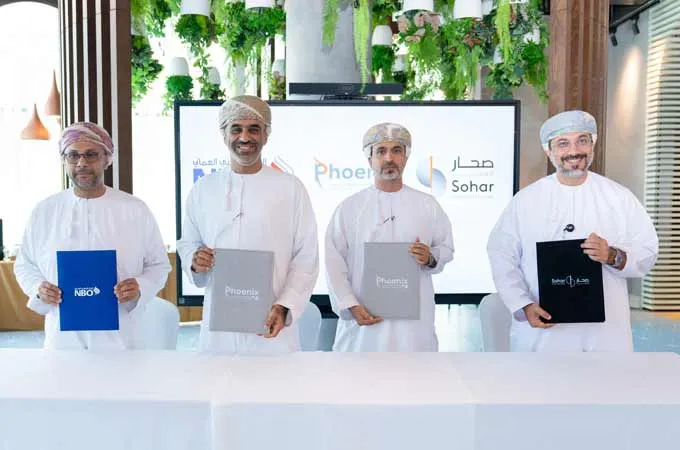
The event will also host major MOU signings involving companies including Siemens, Honeywell, Schneider Electric, First Abu Dhabi Bank, Hitachi Energy and Union Iron & Steel, reinforcing its role as a platform for investment, partnerships and the development of future energy infrastructure. -OGN/TradeArabia News Service