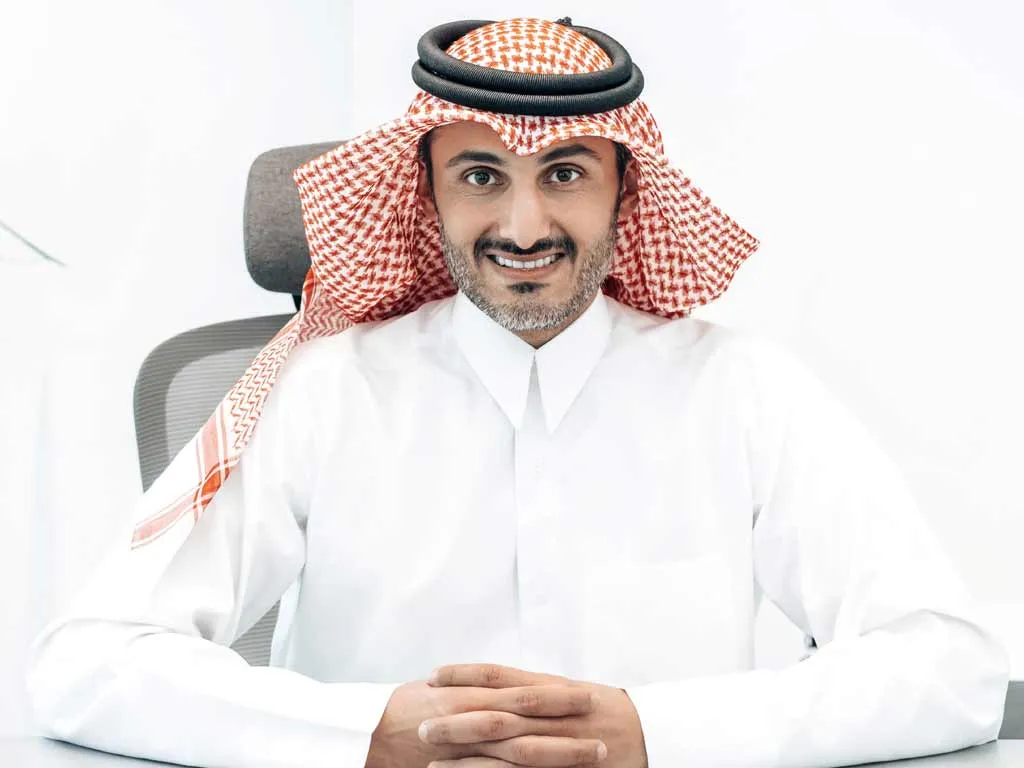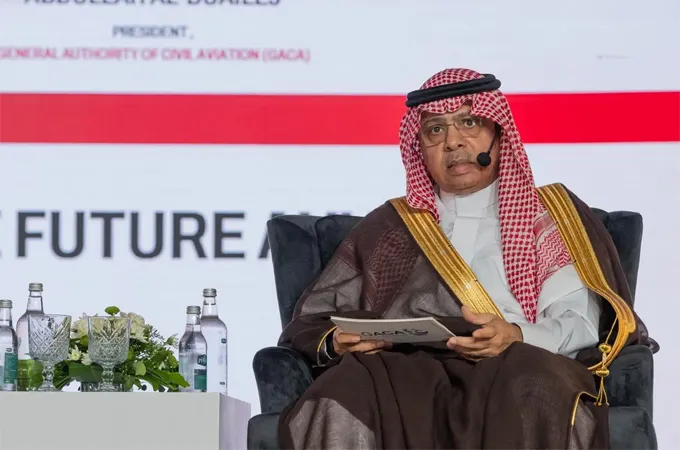
Saudi Arabia is pursuing a two-track approach to adopting artificial intelligence and automation across its aviation sector, balancing technological innovation with safety and human oversight, according to General Authority of Civil Aviation (GACA) President Abdulaziz Al-Duailej.
Speaking during a ministerial panel on “AI, Automation and
the Future Aviation Workforce” at the Aerospace Future Technology Symposium,
held alongside the El Alamein International Airshow 2026 in Egypt, Al-Duailej
said the first track targets faster adoption of advanced technologies in
non-safety-critical functions.
The second involves a gradual and carefully assessed
approach to safety-critical operations.
He said both tracks are designed to ensure new technologies
maintain or improve existing safety levels, while keeping human capabilities
and oversight at the centre of aviation operations.
Al-Duailej highlighted how AI is transforming aviation roles
and increasing demand for specialised skills, including AI assurance, data
science and human factors.
He also stressed the need to equip employees with the skills
required to work effectively alongside automated systems.
Saudi Arabia’s efforts to build national AI capabilities
were also highlighted, including the Saudi Data & AI Authority’s One
Million Saudis in AI (SAMAI) Initiative, which has surpassed its target of
training one million Saudi men and women in artificial intelligence.
Al-Duailej said the achievement demonstrates Saudi
leadership’s vision of developing an AI-enabled digital society, while
stressing the need to translate this readiness into specialised aviation
expertise through advanced training and simulation.
As automation expands, he emphasised that human expertise,
situational awareness and the ability to intervene and make critical decisions
must be preserved.
He also called for regulatory frameworks to evolve alongside technology while maintaining strong human oversight in safety-critical functions. -TradeArabia News Service