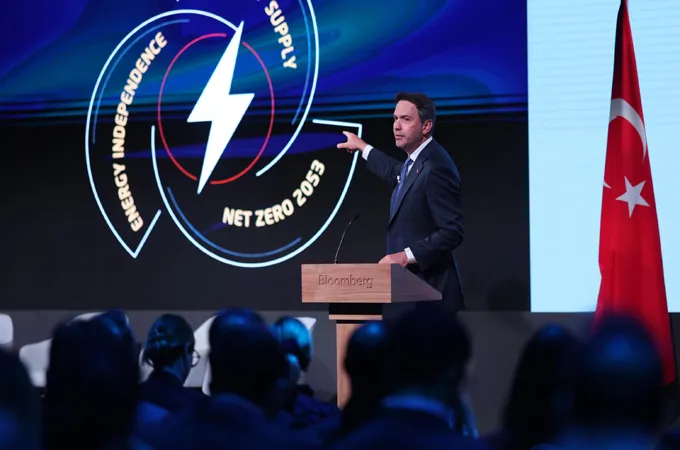
Türkiye will need to invest at least $80 billion in electricity infrastructure through 2035, said the country's power minister, adding that it has to focus on mobilising private capital, international financial institutions, development banks and long-term institutional investors.
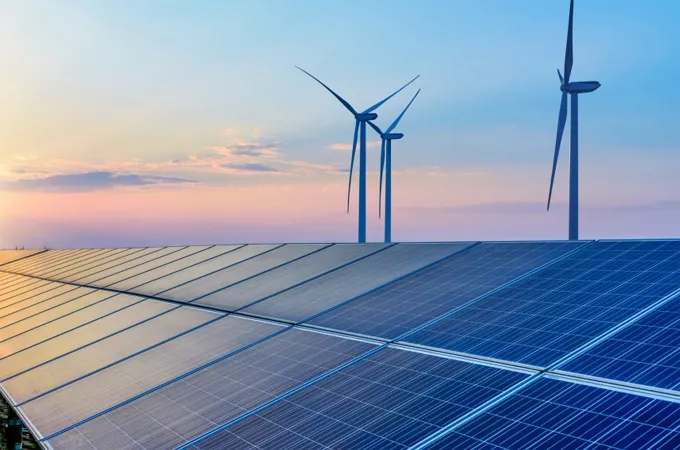
Renewable energy sources accounted for 54.1 per cent of electricity generated in the European Union (EU) in the second quarter of 2026, slightly down from 54.3 per cent in the same period of 2025, according to Eurostat.
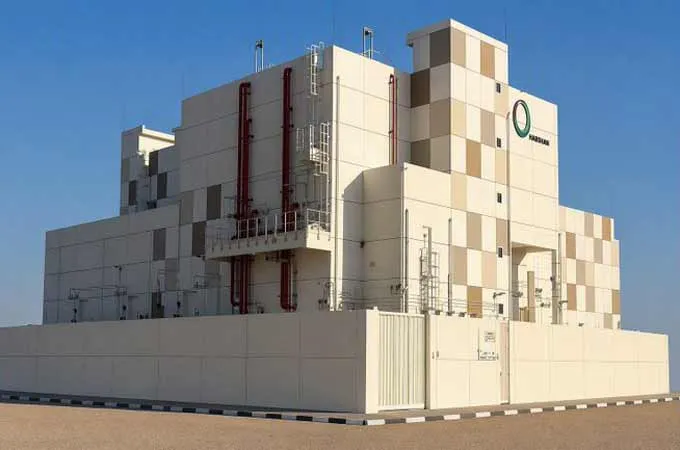
Dubai Electricity and Water Authority (DEWA) has developed a standardised and digitally optimised design for 132kV substations as part of its efforts to enhance the efficiency and resilience of Dubai's electricity infrastructure and keep pace with the rapid growth in energy demand while maintaining the highest standards of availability and reliability.
Riyadh Cement Company said it had signed an agreement with Samana Energy, a leading IPP specialising in renewable energy and sustainable solutions, to purchase solar-generated electricity for a 25-year period. The power generation system is expected to begin operations in Q4 2027.
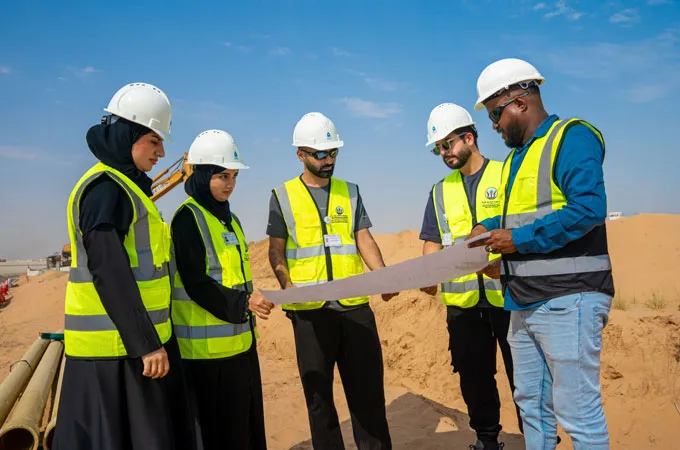
The Sharjah Electricity, Water and Gas Authority (Sewa) has announced that 90% of the work has been completed on a water distribution network project in Rawdat Al Qarat. The project, which will come up over a 34km area, is due for completion in November.
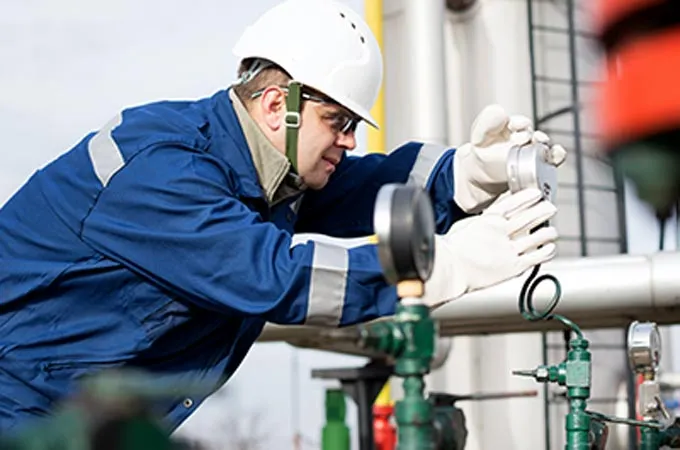
Dana Gas, the Middle East’s first and largest regional private and publicly-listed natural gas company, and Crescent Petroleum, the region’s oldest private oil and gas producer, have commenced supplies of natural gas from the Khor Mor field in the Kurdistan Region to Iraq’s Ministry of Electricity in Kirkuk, to further support the electricity sector in Iraq.
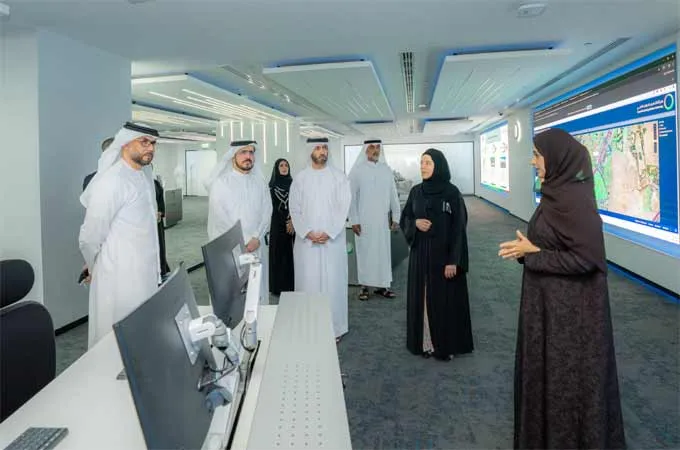
Dubai Electricity and Water Authority (DEWA) is deploying artificial intelligence, advanced analytics and a world-first X-ray inspection technology as it moves to make Dubai’s electricity distribution network more predictive, reliable and resilient.

Sharjah Electricity, Water and Gas Authority (Sewa) is implementing a package of projects that will see the upgrade of its natural gas network across the emirate. These include the Al Hamah Gas Transmission Line Project, Al Muwardah 6 and Al Qutaina 3 Gas projects.
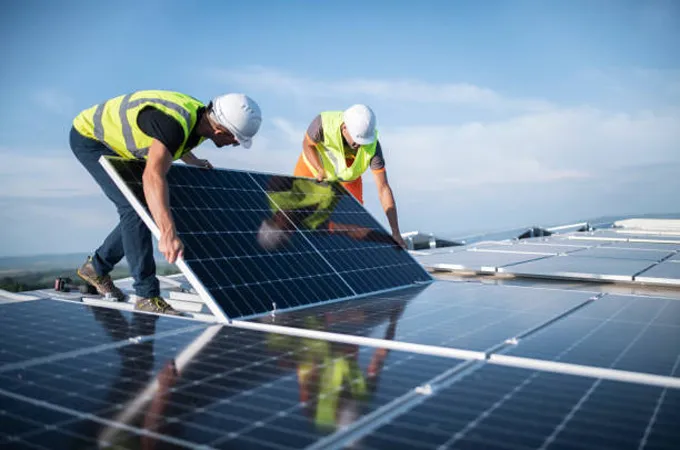
Large-scale urban developments across the Gulf could generate up to 35 per cent of their electricity needs through on-site solar power while reducing costs by a similar margin, according to a new report by Boston Consulting Group (BCG).
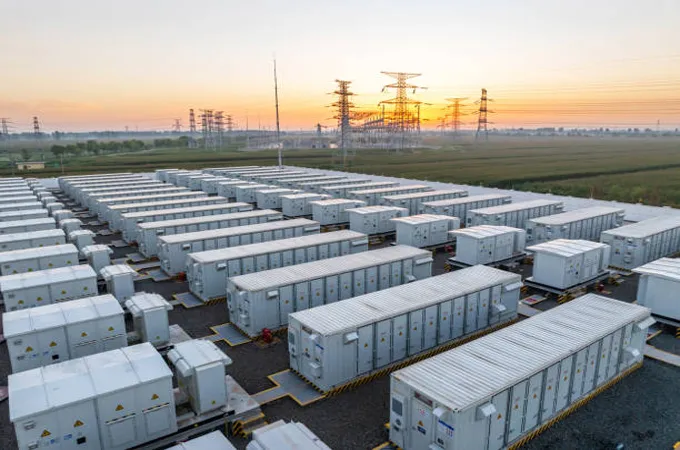
Global battery energy storage system (BESS) capacity is forecast to increase sixfold between 2025 and 2030, growing at a 42 per cent CAGR, as rising electricity demand from electrification, industry and AI-driven data centres accelerates investment, according to GlobalData.