Crude oil prices surged for a fourth consecutive session on Wednesday, with Brent approaching the psychologically important $100-a-barrel threshold as a fresh escalation in the US-Iran conflict heightened fears of prolonged disruptions to oil supplies from the Gulf.

Brent crude oil futures rose to settle at $97.31 per barrel on Monday, hitting a six-week high. US West Texas Intermediate (WTI) crude climbed 1.3%, or $1.17, to reach $92.65 per barrel.
Oil prices were heading for their strongest weekly gain since mid-July on Friday as renewed fighting between the United States and Iran heightened concerns over disruptions to Middle East energy supplies.
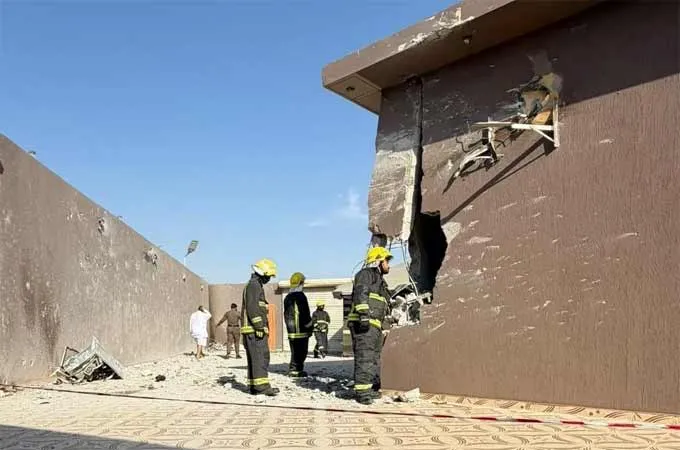
Oil prices fell about 1% on Friday, extending losses for a third consecutive session, even as Saudi Arabia and Yemen's Iran-backed Houthis exchanged fresh strikes and a tanker was hit in the Strait of Hormuz, with markets focusing instead on efforts to restore Saudi oil flows and alternative routes for Gulf exports.

Oil prices surged to their highest levels since May on Friday as the widening US-Iran conflict and a rapid Houthi advance in Yemen raised fears of a prolonged disruption to global crude supplies through the two strategic waterways of Hormuz and Bab al-Mandeb.
Oil prices climbed nearly 2% on Wednesday as renewed US airstrikes on Iran and fresh sanctions on Tehran's oil exports reignited concerns over supplies from the Middle East after attacks on commercial vessels in the Strait of Hormuz.

Oil prices fell sharply on Monday after the United States and Iran halted hostilities over the weekend, raising hopes that a diplomatic breakthrough could ease tensions in the Middle East. However, shipping through the region's two critical maritime chokepoints – the Strait of Hormuz and the Bab al-Mandeb Strait – remains severely disrupted, keeping concerns over global energy supplies alive.

Oil prices climbed for a second straight session on Wednesday, with Brent crude rising above $92 a barrel, as investors weighed the risk of widening supply disruptions from the escalating Middle East conflict.

Oil prices surged above $90 a barrel on Monday as the escalating military confrontation between the United States and Iran heightened concerns over supplies from the Gulf, with shipping through the Strait of Hormuz remaining severely disrupted following another night of attacks.

Oil prices extended gains on Wednesday as fears of a prolonged disruption to energy supplies through the Strait of Hormuz intensified following the United States' reimposition of a naval blockade on Iranian ports and fresh threats from Iran's Islamic Revolutionary Guard Corps (IRGC) to shut down regional oil and gas exports.