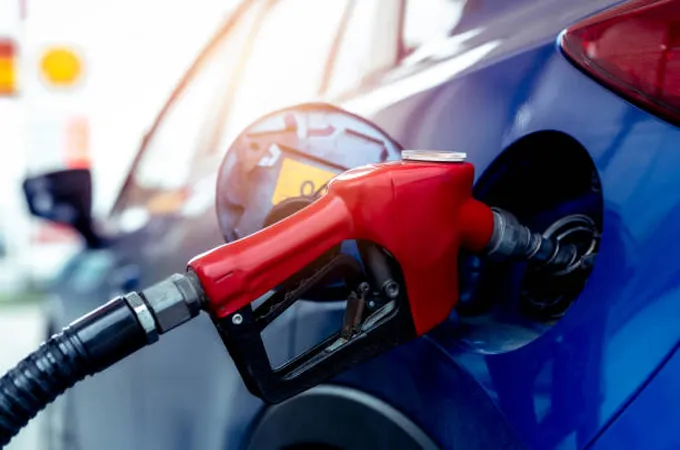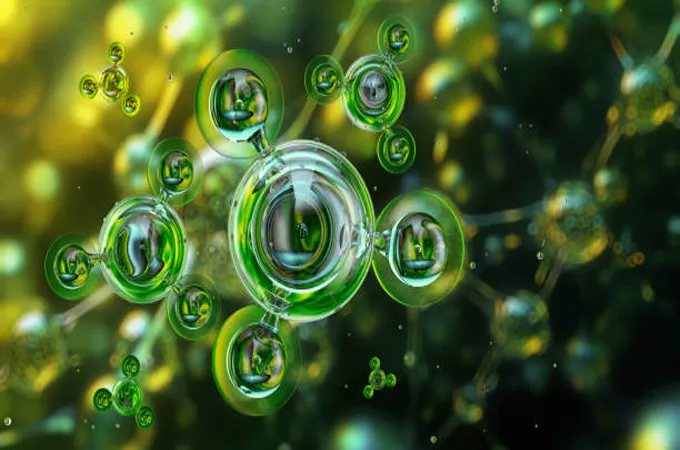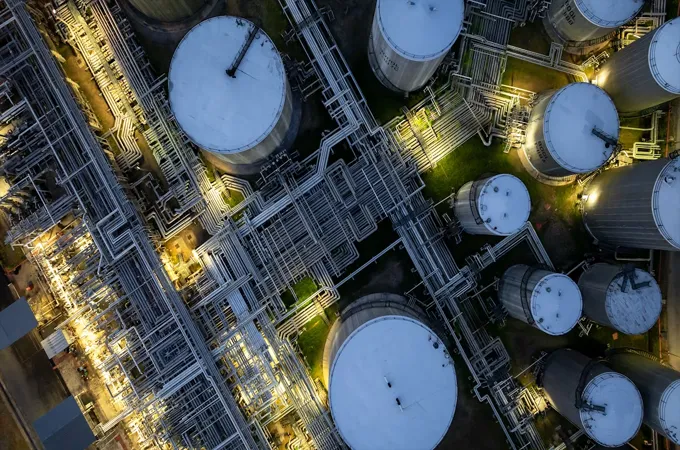
The Middle East conflict has disrupted hydrogen-based supply chains critical to fertilisers, refining and chemicals, exposing vulnerabilities. While global hydrogen demand exceeded 100 million tonnes in 2025, high costs and infrastructure gaps continue to hinder low-emissions hydrogen growth.

New International Energy Agency (IEA) analysis finds many energy technology supply chains contain at least one weak link, underscoring need to reduce concentration and improve industrial competitiveness.

The United Arab Emirates and the United States have signed a Framework on Securing Supply in the Mining and Processing of Critical Minerals and Rare Earths, on the sidelines of the US Critical Minerals Ministerial in Washington, D.C.
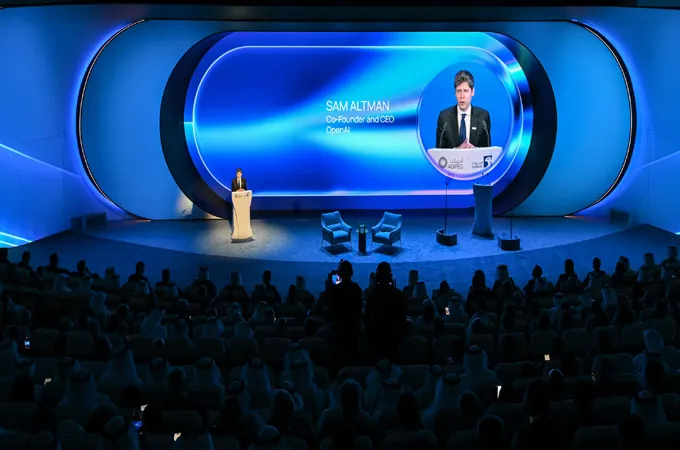
Global energy leaders at ADIPEC 2026 called for stronger supply chains, resilient infrastructure and greater investment in artificial intelligence, with ADNOC CEO Dr Sultan Al Jaber and OpenAI CEO Sam Altman highlighting the growing link between energy security, technology and future economic growth.

Qassim University has concluded a two-day hackathon on reducing food loss and waste, which was organised by its Institute for Studies and Consulting Services in cooperation with the General Food Security Authority.