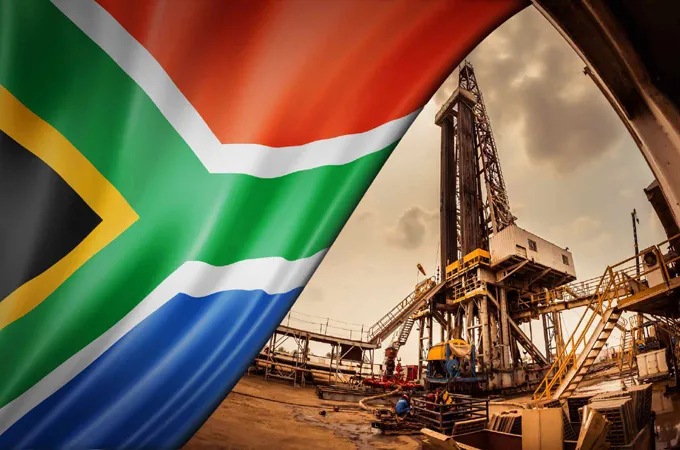
The decision by South Africa to lift its long-standing moratorium on shale gas exploration represents a decisive moment for the country’s energy future.
After more than a decade of uncertainty,
the Karoo Basin – estimated to hold up to 200 trillion cubic feet of
technically recoverable gas – may finally be positioned to transform from
potential into production.
For the African Energy Chamber (AEC), this
development marks a crucial step towards unlocking South Africa’s onshore gas
potential, diversifying its energy mix and advancing a just and inclusive
energy transition.
For years, South Africa’s gas strategy has
been constrained by limited domestic supply and reliance on imports from
Mozambique through the ROMPCO pipeline.
The lifting of the moratorium offers a
pathway to change this trajectory – one that aligns with the country’s
Integrated Resource Plan and the AEC’s advocacy for a stronger, self-sustaining
African gas economy.
Onshore development presents a distinct
advantage over offshore production, particularly in proximity to key industrial
and power generation hubs.
By harnessing shale gas domestically, South
Africa can stabilise its power system, supply feedstock to local industries and
catalyze job creation across the value chain.
The Chamber firmly believes that developing
South Africa’s onshore shale resources can also accelerate the expansion of the
liquefied petroleum gas (LPG) market.
LPG represents a clean, affordable
alternative for residential and commercial use – from cooking to heating – and
can significantly reduce dependence on biomass and heavy fuels.
By integrating shale gas development with
LPG production and distribution, South Africa can deliver tangible benefits to
households and small businesses while contributing to its broader energy
transition goals.
Environmental and social considerations
must remain at the forefront of this process.
The Karoo Basin is a geologically and
ecologically sensitive area, and responsible development must be guided by
transparency and robust regulation.
Lessons from the US demonstrate that
technological innovation, sound policy and market alignment can coexist with
environmental stewardship.
Hydraulic fracturing and horisontal
drilling – when executed with modern standards and oversight – have proven
capable of delivering transformative energy outcomes while mitigating impact.
The US shale revolution provides an
instructive roadmap. In just over a decade, the US evolved from an energy
importer to the world’s largest producer of oil and gas.
This transformation was not driven by
resource endowment alone, but by the combination of technological innovation,
clear property rights, strong infrastructure and free market access.
South Africa now stands at a similar
crossroads.
By ensuring regulatory clarity, fiscal
competitiveness and infrastructure readiness, the country can attract the
investment and expertise necessary to translate geological potential into
long-term economic benefit.
“Africa must stop watching others define
the future of energy,” says NJ Ayuk, Executive Chairman of the AEC. “The US
didn’t wait for perfect conditions to unleash its shale revolution – it acted.
South Africa can and must do the same. Lifting this moratorium is not just a
regulatory step; it’s a statement of intent that South Africans are ready to
power their own future.”
According to the AEC’s State of African
Energy 2026 Outlook, Africa’s energy transition will depend not only on large
offshore discoveries but also on the responsible development of onshore
resources – including shale, tight gas and associated gas.
The Karoo Basin embodies this future.
Developing these resources will enhance
domestic energy security, strengthen regional integration and create new
opportunities for local content and industrialisation.
The Chamber’s analysis underscores that gas
will remain a central pillar of Africa’s energy growth, supporting cleaner
power generation, manufacturing and LPG expansion across the continent.
For South Africa, time is of the essence.
The longer shale development remains on
hold, the greater the risk of missed opportunities in investment, job creation
and energy security.
The
Chamber encourages swift action to finalise environmental guidelines,
streamline permitting and facilitate partnerships between government, local
stakeholders and the private sector.
The objective is clear: to ensure that
South Africa’s shale potential contributes meaningfully to its energy
transition and national development agenda.
The AEC stands ready to work alongside
South African authorities, investors and communities to ensure that shale gas
development is conducted responsibly, transparently and for the benefit of all
South Africans.
With the right policies and partnerships in place, South Africa’s onshore gas can become a cornerstone of its just energy transition and a catalyst for sustainable growth across the continent. -OGN/TradeArabia News Service