The World Future Energy Summit (WFES) could well be the Middle East’s most influential event for promoting renewable energy and clean tech as the blueprints for a sustainable future.
The global platform, hosted by Masdar and part of Abu Dhabi Sustainability Week (ADSW) at Abu Dhabi National Exhibition Centre (ADNEC) in Abu Dhabi from January 13-15, 2026, connects sustainability advocates from world-leading companies, government agencies, academic institutions and NGOs.
The 18th edition is expecting a record-breaking levels of attendees, exhibitors, guest speakers and government partners, with leading international organisations such as IRENA and the EU Hydrogen Council hosting dedicated in-show summits of their own.
The event comes at a time when the region is showing growing appetite for delivering a clean energy transition is at an all-time high.
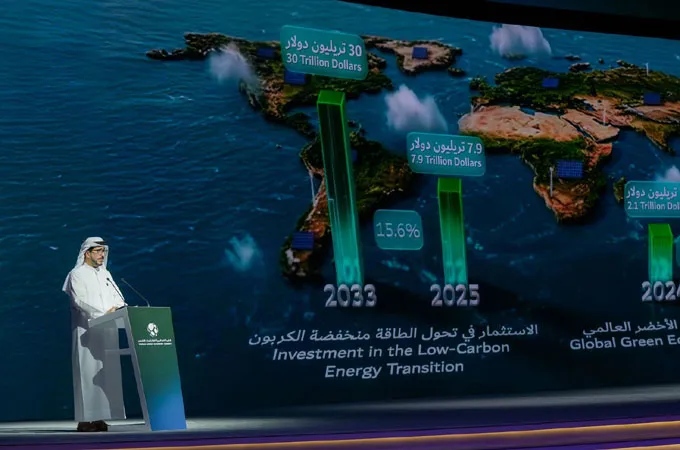
The UAE has pledged to invest $54 billion into renewables by the end of the decade, while mobilising $83 billion of climate-related clean tech funding at COP28 and a further $30 billion via the new Alterra Fund.
Meanwhile, Saudi Arabia has earmarked $270 billion to upscale its renewable energy ambitions, and has also committed almost $200 billion to climate action under the expanding initiatives of the Saudi Green Initiative.
As this investment trend deepens, the 2026 summit will be sharpening its focus on how to translate such commitments into tangible solutions through exhibitions, conferences, and innovation hubs.
The 2026 Summit features new thematic zones and conference tracks designed to spotlight transformative technologies and market opportunities.
It will feature the debut of FUSE AI, a first-of-its-kind exploration zone with an attached two-day conference dedicated to artificial intelligence applications in energy, smart cities, and climate resilience.
More than 40 companies are confirmed to demonstrate solutions that use AI to enhance grid stability, optimise renewable integration, and improve climate modelling.
This new feature was developed to recognise and explore the growing AI leadership ambitions of leading ME nations.
The UAE, Saudi Arabia, Qatar and others are already pouring billions into AI-empowered data centres and supportive infrastructure, eager to leverage its ability to deliver 4IR capabilities and rapidly diversify their economies.
Meanwhile, the summit’s reimagine Greenhouse platform will host 50+ startups from across the clean energy, mobility, water, and climate-tech spectrum, connecting them directly with investors and corporate partners.
This new part of the summit is the thematic successor to The Climate Innovations Exchange (CLIX) where the boldest and brightest thinkers from around the world would take on the biggest sustainability and climate change challenges.
The World Future Energy Summit will also introduce the Greenpeace Cinema, a first-time collaboration with Greenpeace Middle East, providing a creative space to highlight pressing environmental issues through storytelling and visual impact.
Other programme highlights include the return of co-located Carbon Forward. The pioneering event is designed to help all stakeholders across the public/private spheres better understand the risks and opportunities that the climate change represents.
DRIVING REAL OUTCOMES
Long known to be a venue where policy announcements, corporate commitments, and technology deals converge, the 2026 edition see high-level summits, such as the EU Hydrogen Council Summit, align international hydrogen strategies with investment flows.
Through keynote sessions, expert panels, and industry-relevant case studies, conference attendees will gain actionable insights into the entire energy ecosystem.
The Summit’s expanded conference programme will feature seven tracks, including the debut of the Artificial Intelligence Conference examining the responsible adoption of AI across energy, infrastructure, and smart cities.
Other dedicated forums include:
• Solar and Clean Energy, which will address the strategic, technical, and financial challenges of decarbonisation.
• Circular Economy, which is an invaluable platform for driving circular economy and sustainable waste innovation.
• eMobility & Sustainable Cities, which focuses on building sustainable, resilient, and inclusive urban systems.
• Pathways to 1.5 deg C, a high-level climate forum focused on helping organisations accelerate their decarbonisation efforts
• The Water Conference, which will tackle water security through innovation and smart resource management.
• Green Finance, which explores the evolving investment landscape models that drive climate action. — OGN / Trade Arabia News Service