The Donald Trump administration's implementation of reciprocal tariffs is particularly evident in sectors deemed critical to national interests, such as energy, where maintaining stable supply chains is essential.
As the US tariff
landscape continues to evolve, the implications for energy markets across the
Americas are profound.
Designed to bolster domestic manufacturing and
reduce reliance on imports, the tariffs have inadvertently led to significant
disruptions in clean energy supply chains.
As such, the tariffs
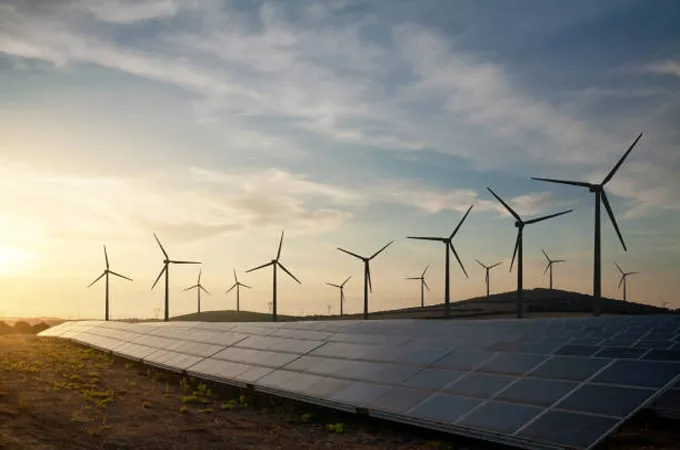
are expected to complicate the renewable energy transition across the Americas,
says GlobalData, a leading data and analytics company.
GlobalData’s latest
report, “North and South America Renewable Energy Policy Handbook 2025,”
reveals the US tariffs have created ripples across the country and has affected
trade dynamics within the American continent.
Energy producers, suppliers, and consumers
need to remain flexible in adapting to these changes, which requires a
revaluation of supply chain strategies, contractual arrangements, and domestic
production capabilities.
Sudeshna Sarmah, Power
Analyst at GlobalData, comments: “The tariffs expansion has introduced punitive
duties on a range of clean energy components, including solar modules, wind
turbines, transformers, and battery-related parts. While the intention behind
the tariffs is to stimulate domestic production, the reality is that the
current manufacturing capacity in the US falls short of meeting the burgeoning
demand for utility-scale developments. This mismatch has resulted in inflated
prices and significant delays in project timelines.”
The tariffs have also
strained regional trade relationships, particularly with Canadian and Mexican
exporters.
The imposition of
stringent domestic content and origin requirements has led to punitive duties
on cross-border transactions, complicating energy cooperation initiatives.
This regulatory
environment has resulted in logistical bottlenecks and increased compliance
costs for companies operating across North America, further exacerbating the
challenges faced by the clean energy sector.
Sarmah concludes: “The
renewable energy sector in South America is particularly stressed by these
tariffs. Shortages of critical components and heightened procurement risks have
slowed grid modernisation efforts and increased uncertainty for utilities. As a
result, long-term investments in clean energy projects have been inhibited,
further complicating the region's energy transition.” -OGN/TradeArabia News Service