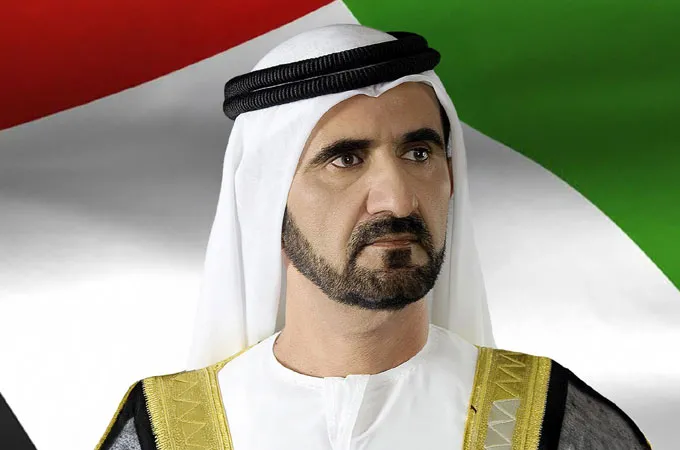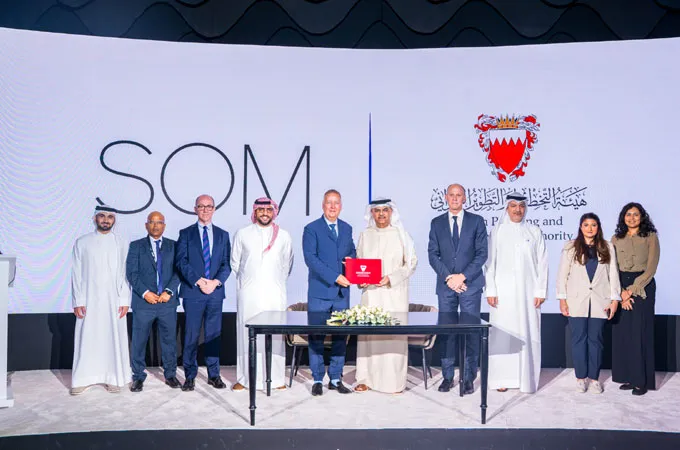
HH Sheikh Hamdan bin Mohammed bin Rashid Al Maktoum, Crown Prince of Dubai, Deputy Prime Minister, Minister of Defence, and Chairman of The Executive Council of Dubai, today (December 8) approved a set of policies and strategic models to enhance urban planning, housing and digitalisation during a meeting of The Executive Council.
In line with the Year of the Family announced by President HH Sheikh Mohamed bin Zayed Al Nahyan, and the Dubai Social Agenda 33 launched by HH Sheikh Mohammed bin Rashid Al Maktoum, Vice President and Prime Minister of the UAE and Ruler of Dubai, under the slogan ‘Family: The Foundation of Our Nation,’ the initiatives include a new planning model for residential areas that prioritises citizen welfare and family empowerment in Dubai’s urban development alongside the Digital Resilience Policy and the general plan for The Executive Council’s Agenda for 2026, reported Wam.
The meeting, held at Emirates Towers, was attended by Sheikh Maktoum bin Mohammed bin Rashid Al Maktoum, First Deputy Ruler of Dubai, Deputy Prime Minister and Minister of Finance.
Sheikh Hamdan affirmed that Dubai is advancing on an integrated development path that prioritises its people and strengthens its position as a global model in urban and social planning, ensuring sustainable welfare for individuals, families and society at large.
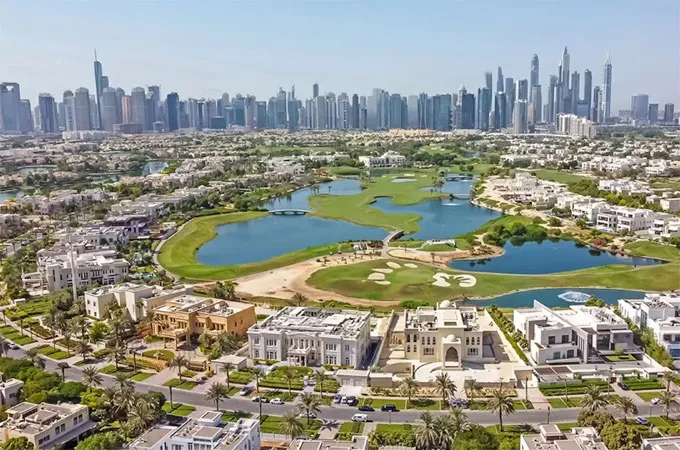
The new model introduces an innovative planning concept to align housing needs to the highest standards, enhance citizen and family welfare, and support the Dubai Urban Plan 2040.
It focuses on creating vibrant, integrated, and socially interconnected communities that reinforce the concept of the Fareej (traditional community cluster) and its internal social cohesion.
The model promotes active mobility through shaded walkways connecting service centres to residential areas and dedicated paths for walking, running, and cycling to encourage healthy lifestyles.
It also activates the role of open spaces by transforming parks and squares into interactive hubs for social and cultural activities, fostering community initiatives and a lively, participatory environment.
Sheikh Hamdan emphasised the importance of strengthening resilience and proactive standards to ensure that the emirate’s digital and service infrastructure can respond to transformation and challenges along the way.
"We have one of the most advanced digital infrastructures in the world. To fulfil the objectives of the Dubai Digital Strategy launched in 2023 – digitalising life in Dubai, strengthening the digital economy, and empowering society – we continue to develop a robust digital government model and maintain the continuity and efficiency of digital services," he noted.
"The Digital Resilience Policy has been approved as a key tool to enhance digital leadership in a comprehensive and proactive way," he added.
He also approved the general plan for The Executive Council’s 2026 Agenda, which focuses on achieving the priorities and targets of the Dubai Plan 2033 through its economic and social agendas.
The project aims to make residential areas more attractive and strengthen residents’ sense of comfort and belonging through vibrant environments that encourage interaction and satisfaction.
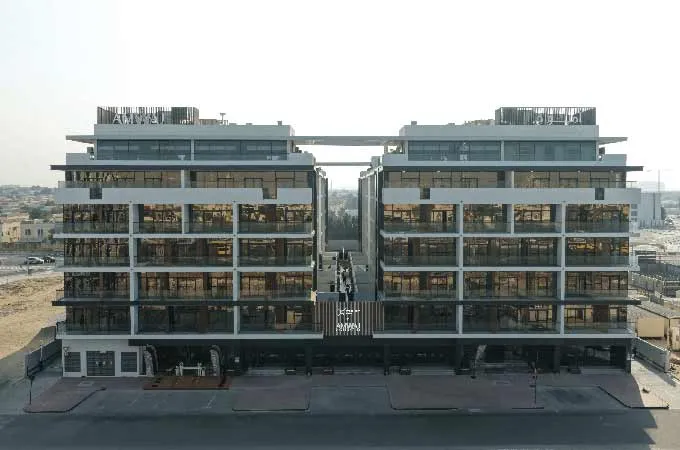
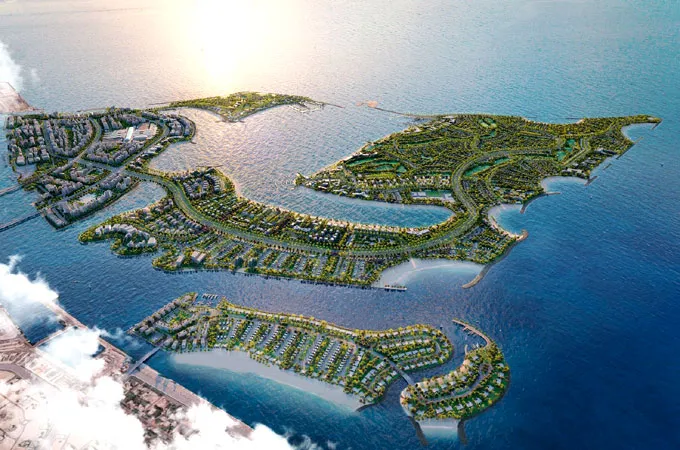
The plans also include the addition of 152 parks across Madinat Latifa and Al Yalayis, with a maximum walking distance of 150 metres to the nearest park. Over 33 kilometres of cycling paths will be added, along with central parks featuring diverse activities and facilities. Community majlis and wedding halls will also be built.
This project supports the 20-Minute City concept and introduces community parks as an interconnected network of central green spaces.
In Madinat Latifa, the model allocates around 11% of the area to green and open spaces, with 12km of interconnected walking and cycling paths.
It also provides for comprehensive services, including schools, early childhood centres, mosques, health clinics, and commercial hubs. Plans outlined for the area envisage facilities encompassing 3,000 hectares, housing 141,000 people, and including 18,500 residential units and 77 parks.
In Al Yalayis, the model introduces a vibrant green corridor linking residential areas and offering recreational, service, and commercial facilities, creating an integrated living environment that promotes quality of life and sustainability. The plans provide for facilities spread over 1,108 hectares with the capacity to house 66,000 people, including 8,000 residential unit plots and 75 parks.