For one month each year, Saudi changes its rhythm entirely. Days grow quieter and slower, and then, as the sun sets, Saudi comes alive. Streets fill, tables stretch long, music and storytelling echo through historic districts, and cities transform into social spaces shaped by food, family, and shared moments.
For
visitors, Ramadan offers one of the most immersive ways to experience Saudi,
not through landmarks alone, but through how life is lived when the sun sets.
Eating Together Is the Experience - Everywhere You Go
In
Saudi, Ramadan nights revolve around the table - and not just around one main
dish.
Across
the country, iftar (breaking the fast) is a shared, multi-layered experience.
Tables are filled with a variety of dishes designed to be eaten together:
warming soups, fresh salads, rice dishes, grilled chicken and meats,
vegetables, breads, and small side plates that arrive continuously rather than
all at once. Food is generous, varied, and never rushed.
As
the evening unfolds, the sweet course becomes its own ritual. Trays of mouth-
watering Arabic desserts appear — luqaimat, qatayef, kunafa, pastries filled
with cream or nuts - accompanied by Saudi coffee and tea that keep
conversations going long after the meal has ended. Sweets are the signal that
the evening has truly begun.
This
experience isn’t limited to one city or one setting. Whether you’re in Riyadh,
Jeddah, AlUla, or beyond, Ramadan dining in Saudi is about lingering, sharing,
and being part of a collective moment that repeats every evening - naturally
drawing visitors into local life.
Cities as Social Nighttime Festivals
During
Ramadan, Saudi cities don’t quiet down after dark, they come alive.
Across
the country, nights feel communal and celebratory. People head outdoors after
iftar, cafés stay busy into the early hours, promenades fill with families and
friends, and cultural districts host seasonal activations designed specifically
for the evenings.
Riyadh
In
the capital, Ramadan nights feel buzzing, elegant, and social. Districts across
the city glow after sunset, with Ramadan tents appearing in hotels and
contemporary areas, creating gathering spaces that blend tradition with modern
design. Areas like KAFD take on a distinct late-night rhythm, where dining,
coffee, and conversation extend well past midnight.
Nearby,
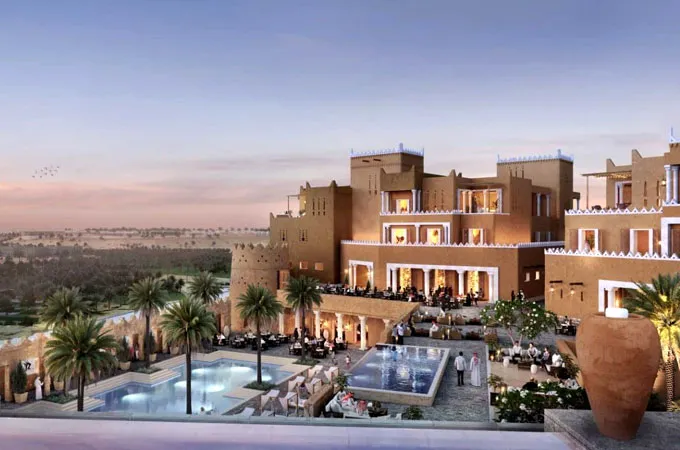
Diriyah adds a heritage-led dimension to Riyadh’s Ramadan experience. Layali
Diriyah brings people together in lantern-lit outdoor settings inspired by
Najdi architecture, offering evenings shaped by culture, dining, and a strong
sense of place.
Jeddah
Ramadan
in Jeddah unfolds with a relaxed, coastal energy.
Along
the Jeddah Corniche, evenings are spent walking by the sea, dining late, and
enjoying the breeze as the city stays awake. Destinations like Jeddah Yacht
Club and Marina become natural gathering points during Ramadan nights, blending
waterfront views, cafés, and dining with a cosmopolitan, social atmosphere.
Inland,
neighborhoods and cultural areas activate with Ramadan-specific experiences -
from hotel tents to seasonal pop-ups - turning the city into a network of
late-night social hubs rather than a single focal point.
Culture, Performance, and Storytelling After Sunset
Ramadan
is also a cultural season in Saudi, where evenings are shaped by sound, rhythm,
and storytelling.
Across
cities and heritage districts, traditional performances appear as part of
nightly life. Samri, Saudi folk music and dance performances, marked by
rhythmic chanting, poetry, and coordinated movement - bring collective energy
to Ramadan nights, while softer live music featuring instruments such as the
oud and qanun adds a contemplative soundtrack to evenings.
Storytelling,
known as Hakawati, remains a cherished Ramadan tradition. Performers recount
folk tales, moral stories, and historical narratives in open-air settings,
drawing in audiences of all ages and offering visitors an intimate window into
Saudi’s oral heritage.
In
some locations, the traditional Ramadan cannon, still marks sunset, a historic
ritual that connects modern city life with centuries-old custom, and one of the
most evocative moments for first-time visitors to witness.
These
performances aren’t confined to theatres or ticketed venues. They unfold
organically in courtyards, heritage streets, and public spaces, making culture
part of the night’s rhythm rather than a scheduled stop.
Walking Through History: Reimagined for Ramadan
Ramadan
transforms Saudi’s historic places.
In
Historic Jeddah, coral-stone houses are illuminated with lanterns, decorations
line the alleys, and night markets fill the streets with movement, food, and
sound. The district feels less like a preserved site and more like a living
neighborhood, experienced through evening strolls rather than daytime tours.
In
Diriyah, At-Turaif’s mud-brick architecture and palm-lined spaces are lit
softly after dark, creating an evocative atmosphere where dining, culture, and
history blend seamlessly.
In
AlUla, walking through ancient landscapes at night takes on a different meaning
during Ramadan. Heritage sites such as Hegra glow under subtle lighting,
pathways feel quieter, and the experience becomes less about sightseeing and
more about presence - history felt rather than explained.
AlUla: A Slower, Reflective Ramadan
For
those drawn to a calmer pace, AlUla offers a different expression of Ramadan.
Here,
evenings invite reflection. Stargazing at Gharameel under clear skies, quiet
walks among ancient formations, and intimate cultural moments create space to
slow down and reset. Ramadan in AlUla is about taking time; to think, to
reflect on life and decisions, and to experience the season in a more inward,
grounding way.
It’s
a reminder that Ramadan in Saudi is not only vibrant - it can also be deeply
personal.
From Ramadan to Eid: How the Experience Evolves
As
Ramadan draws to a close, the country’s rhythm shifts once more.
Eid
al-Fitr brings celebration and movement. Some travelers continue their journey
to the Saudi Red Sea, where February–April weather is ideal for coastal
escapes, lighter days, and festive gatherings by the water. Others choose to
extend their stay in destinations like AlUla, turning Eid into a period of
exploration, rest, and reconnection with nature and heritage.
Ramadan
in Saudi isn’t a single moment - it’s a season that unfolds, transforms, and
continues.
Why Ramadan Is One of the Most Compelling Times to Visit Saudi
Ramadan
reveals Saudi at its most human. It’s a time when cities are shaped by people
rather than schedules, when culture moves into the streets, and when visitors
experience daily life alongside locals rather than observing from the outside.
It's a unique opportunity to witness the magic of a Saudi Ramdan firsthand and
to create truly memorable interactions with the local community that resonate
long after your visit.
From
shared tables and sweet-filled nights to cultural performances, illuminated
heritage districts, and reflective escapes, Ramadan offers one of the most
immersive and rewarding ways to discover Saudi - alive with atmosphere, rich in
meaning, and impossible to experience the same way anywhere else. Whether you
seek lavish iftars, historical strolls, or lively community gatherings, Saudi
invites you to step into a Ramadan experience unlike any other. -TradeArabia News Service