US President Donald Trump has signalled a possible opening for talks with Iran even as Washington significantly bolsters its military presence in the Middle East, keeping pressure on Tehran amid escalating tensions over Iran’s nuclear programme and internal unrest.
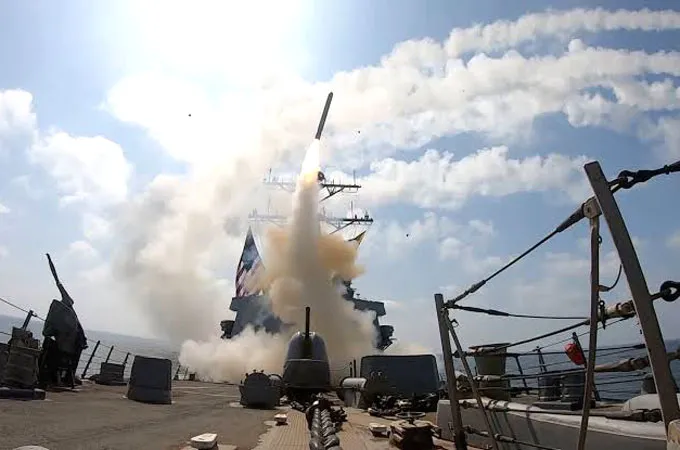
Speaking to reporters in Washington, Trump said he was “planning” to speak with Iran but offered no details on the timing, format or who would represent the U.S. side. His remarks came as the Pentagon confirmed the deployment of additional US naval assets to the region, including guided-missile destroyers and an aircraft carrier strike group.
“We have a lot of very big, very powerful ships sailing toward Iran right now,” Trump said, adding that he hoped they would not have to be used. However, U.S. officials stressed that the president is still reviewing his options and has not made a final decision on military action.
Defence Secretary Pete Hegseth told a cabinet meeting that the US military would be ready to carry out whatever course of action Trump decides, reiterating Washington’s position that Iran must not acquire nuclear weapons. The Trump administration has informally referred to the Pentagon as the “War Department,” underscoring its more confrontational posture.
According to U.S. officials cited by Reuters and Al-Monitor, the administration is also holding separate consultations in Washington with senior defence and intelligence officials from Israel and Saudi Arabia, reflecting heightened coordination with regional allies as tensions rise.
The latest escalation follows weeks of strained relations after Iran’s security forces launched a deadly crackdown on anti-government protests triggered by economic hardship and political grievances. While the protests have eased in recent days, Trump has repeatedly warned that the United States would intervene if Tehran continued killing protesters or moved to restart elements of its nuclear programme.
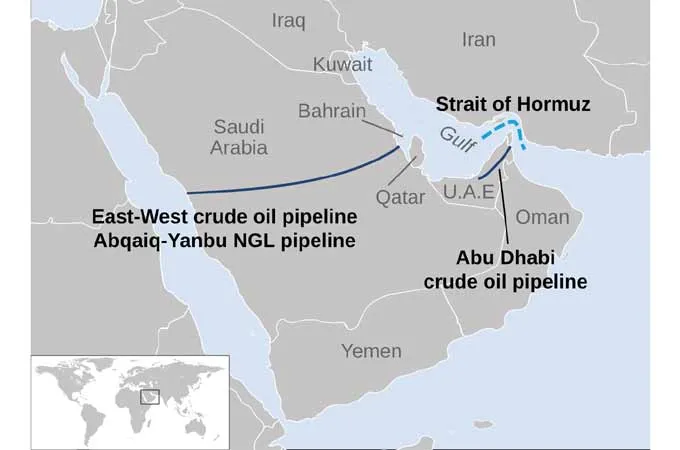
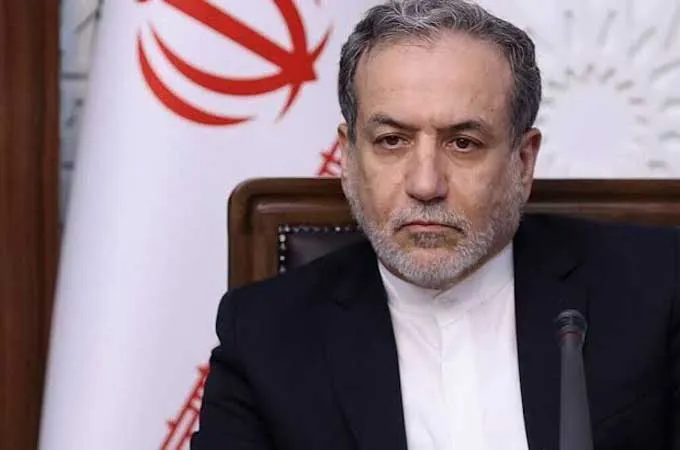
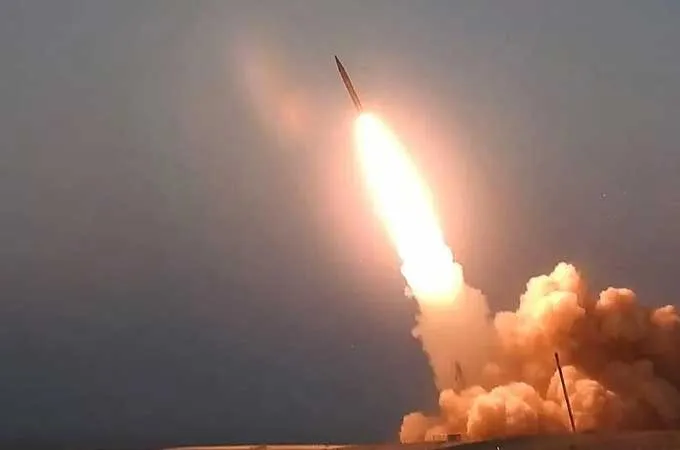
Iran, for its part, has issued sharp warnings against any US strike. Iranian officials have said that any attack would prompt retaliation not only against U.S. forces but also against Israel and regional partners seen as supporting Washington. Tehran has also announced plans for live-fire naval drills near the Strait of Hormuz, a critical oil shipping route, in a move widely viewed as a signal of deterrence.
Regional markets have reacted nervously. Stock indices across the Gulf closed lower this week amid fears that any military confrontation could disrupt energy supplies or draw neighbouring states into a wider conflict, according to market analysts.
Diplomatic efforts continue in parallel. Regional mediators, including Turkey, have urged both sides to de-escalate, while Gulf states have publicly signalled reluctance to be drawn into any military action. Analysts say the coming days will be critical in determining whether Trump’s pressure campaign leads to negotiations or further confrontation.
While the US military build-up gives Trump a broader range of options, officials in Washington insist that diplomacy remains on the table — even as the risk of miscalculation in an already volatile region remains high.