The traditional energy sector is struggling to keep up with a shrinking talent pool, as a fewer percentage of young people enter the workforce, experienced professionals are harder to find, and global mobility declines, according to the tenth annual Global Energy Talent Index (GETI) 2026, an energy workforce trends report.
While AI adoption
remains slower than other sectors, AI is being used to support career
development. However, retaining existing talent and attracting new
professionals remain key hiring challenges for 2026 and beyond.
Salaries and an
ageing workforce
Produced by Airswift
and supported by Energy Jobline, the report shows that 50 per cent of
professionals and 60 per cent of hiring managers say that pay has increased in
2025.
However, while salary
optimism remains strong, growth has slowed compared to previous years. 67 per
cent of professionals expect pay increases next year, down from 71 per cent in
2025.
The workforce also
continues to skew older: professionals aged over 45 now comprise 48 per cent of
the workforce, while the share of professionals aged 25 to 34 has declined to
19 per cent.
James Allen, CEO at
Airswift says: “The ageing workforce challenge is becoming increasingly urgent
to address as traditional energy organisations are struggling to make hires
with the right technical expertise and experience. With only a third of hiring managers
actively recruiting graduates to build their talent pipeline, there is an
opportunity for the sector to do much more to secure the people it needs.”
Global mobility
The report indicates a
decline in global mobility, with only 75 per cent of traditional energy
professionals now willing to relocate for work - down from 80 per cent in 2025
and 89 per cent in 2022.
Preferred destinations
have also shifted, with the Middle East and Europe now sharing the top spot (25
per cent each), while Asia has remained steady at 16 per cent.
Jayden Wallis,
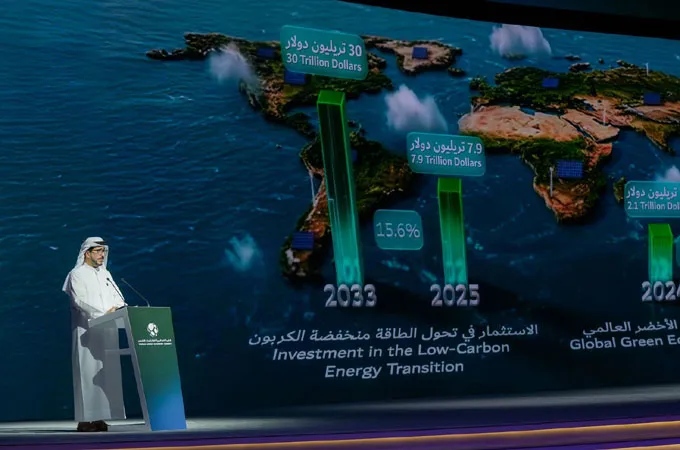
President ASPAC & Airswift Resourcing at Airswift adds: “The Middle East is
investing trillions of dollars to diversify their economies and are lowering
barriers to entry so that organisations can secure the talent they need to
deliver an ambitious pipeline of projects.”
AI and career
development
Over the last three
years, AI has had a significant impact on the energy industry. Now, 45 per cent
of traditional energy professionals use AI in their role - a 187 per cent
increase since 2024 (24 per cent). However, 30 per cent of professionals still
do not use AI to support career development.
Despite concerns that
AI could replace some engineering and technical operations roles, 50 per cent
of the hiring managers say that these are the roles they struggle the most to
recruit for.
To address these
hiring challenges, hiring managers are changing recruitment processes and
revising role requirements.
Nearly half of hiring
managers are improving learning and development programs with a further 45 per
cent using AI and automation to ensure its company has the skills it needs.
Wallis says: “Hiring managers are increasingly struggling to recruit experienced professionals, while a smaller percentage of younger talent is entering the workforce. With the cost of boomerang professionals - those returning post-retirement on a contractual basis - rising, companies need to be proactive in addressing the talent gap. Investing in retention and attracting younger generations will be essential for closing the gap and securing the talent needed for the future.” -TradeArabia News Service