DNV’s Oil & Gas
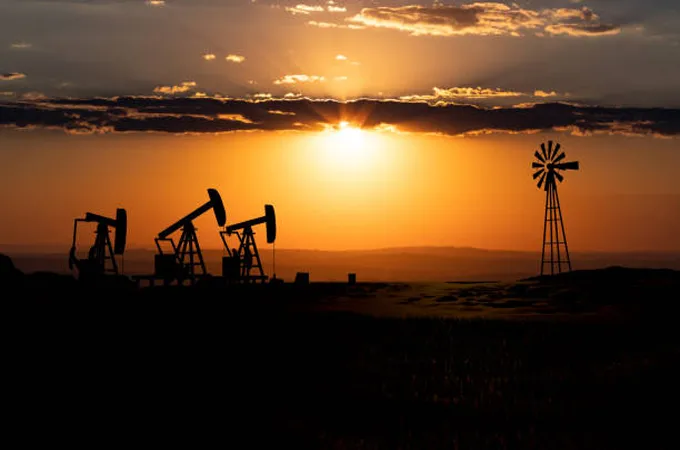
Decarbonisation in the Gulf Region report finds that GCC countries are pursuing
a dual strategy of continued hydrocarbon expansion alongside targeted decarbonisation
to maintain global competitiveness.
Since 2005, the GCC
has supplied nearly 18 per cent of global oil and gas, a share expected to grow
due to low production costs, advantaged resources, and proximity to rising
Asian demand.
Emissions reduction is
increasingly viewed as essential to sustaining this role.
Operational decarbonisation
is accelerating.
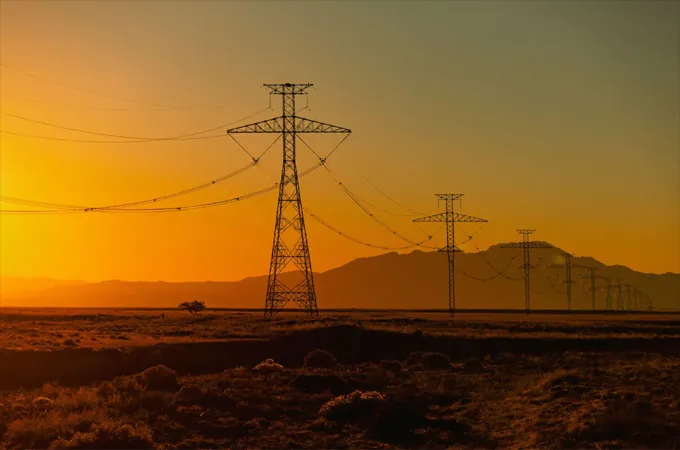
Electrification of
pumps, compressors, and offshore facilities—via grid connections, renewables,
and hybrid systems—is reducing Scope 2 emissions.
Energy-efficiency
measures, digital tools, and artificial intelligence are lowering energy
intensity and emissions per barrel.
Methane abatement is a
major near-term focus, with routine flaring targeted for elimination by 2030,
expanded leak detection and repair programs, and alignment with international
methane initiatives.
Domestic energy
systems are being restructured to reduce internal oil and gas consumption
through renewables, electrification, and efficiency, freeing volumes for export
and low-carbon fuel production.
Export profiles are
shifting toward higher-value products, including petrochemicals and low-carbon
fuels.
The report highlights
hydrogen and ammonia as major long-term opportunities. By 2060, MENA is
projected to produce around 19 Mt of hydrogen and 13 Mt of ammonia annually,
exporting about half, mainly to Europe and Asia.
Carbon capture, utilisation
and storage underpins this transition, with over 98 per cent of regional CCUS
projects located in the GCC.
Captured carbon is expected to
reach 250 Mt per year by 2060, alongside 81 Mt per year of carbon removal from
BECCS and DAC.
Overall, DNV concludes
that the Gulf’s energy transition will be sequenced: emissions intensity
declines while hydrocarbon production, revenue growth, and investment continue. -OGN/TradeArabia News Service