Shipping through the strategic Strait of Hormuz remained severely disrupted on Wednesday as Iran intensified actions aimed at blocking the critical waterway, including attacks on tankers and suspected mine-laying operations. The crisis has rattled global energy markets and triggered an unprecedented international response, with countries agreeing to release a record 400 million barrels of oil from strategic reserves to stabilize prices while the strait—through which about a fifth of the world’s oil flows—remains effectively closed.
Three vessels were struck by projectiles near the narrow shipping corridor linking the Gulf to the open sea, according to the UK Maritime Trade Operations (UKMTO). Iran claimed responsibility for attacking at least two of the ships. At the same time, sources told CNN that Tehran had begun laying naval mines in the waterway, raising fears of a prolonged disruption to global energy supplies and commercial shipping. The waterway, bordered by Iran to the north and Oman to the south, is considered the most important chokepoint for oil transport in the world.
The escalation comes amid intensifying military exchanges in the region. Iran said it had launched its “heaviest operation” since the start of the war, while Israel said it had begun an “additional wave” of strikes in Tehran. According to Iran’s ambassador to the United Nations, more than 1,300 Iranians have been killed since the conflict began, while at least 630 people have died in Lebanon following Israeli strikes over the past week.
US President Donald Trump downplayed Iran’s ability to block the strait, saying U.S. forces had destroyed most of Tehran’s mining vessels. “We took out just about all of their mine ships in one night,” Trump said, suggesting as many as 60 Iranian boats had been struck. “Just about all of their navy is gone.” He also encouraged oil tankers to continue transiting the strait, insisting the route remained safe despite the attacks.
Meanwhile, the United States Central Command (CENTCOM) issued an unusual warning in Farsi and Arabic advising Iranian dockworkers and commercial vessel crews to avoid Iranian naval vessels and military equipment. It said ports along the strait used by the Islamic Revolutionary Guard Corps could be considered “legitimate military targets under international law” during the ongoing conflict.
Iranian officials have also escalated rhetoric about their naval capabilities. Senior IRGC commander Ali Fadavi said Iran possesses missiles that can be launched from underwater at speeds of about 100 metres per second and suggested they could be used in the coming days. Iranian media reported that only Iran and Russia possess such technology, though the claims could not be independently verified.
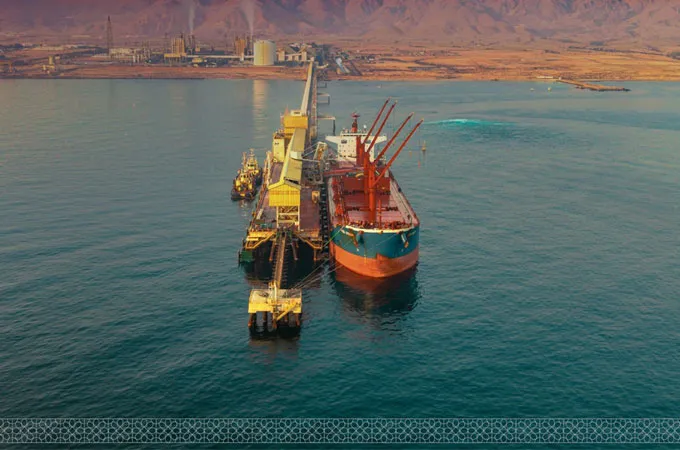
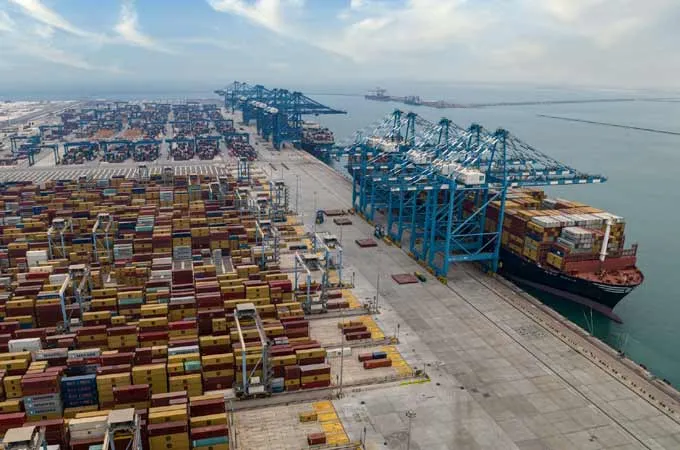
The escalating security threat has already begun affecting regional ports and shipping operations. Danish shipping giant Maersk said operations at the Port of Salalah in Oman had been halted after an incident near the general cargo terminal. The company said staff were evacuated following established safety protocols and that all port activities had been suspended until further notice.
With tankers under attack, ports disrupted and the threat of mines looming, the crisis has heightened fears of a prolonged disruption to global trade and energy supplies passing through the narrow Gulf corridor.