The Kingdom of Saudi Arabia is preparing to launch a major urban cooling project in Riyadh aimed at reducing temperatures on roads, walls and other urban surfaces by up to 15°C, reported the Saudi Gazette.
Top Greek consulting firm Planet is the lead consultant for the project. The company has been signed up to support a strategic initiative to tackle urban heat challenges in one of the world's fastest-growing metropolitan areas, the report said.
The project, expected to begin implementation next year, is designed to address the urban heat island effect, a phenomenon that causes cities to experience significantly higher temperatures than surrounding areas due to dense infrastructure and heat-absorbing materials.
The initiative aims to reduce surface temperatures by between 8°C and 15°C, stated the report citing sources.
According to RCRC, the project is still awaiting the completion of studies and final approvals, while cost estimates have not yet been disclosed.
The top Greek consultant said its scope of work includes developing a comprehensive city cooling strategy, preparing urban planning and construction guidelines, and identifying five pilot areas to test cooling solutions before wider implementation, said the report.
The project is expected to complement existing initiatives in Riyadh, including King Salman Park, but with a broader focus that goes beyond tree planting to address the design and structure of the city itself.
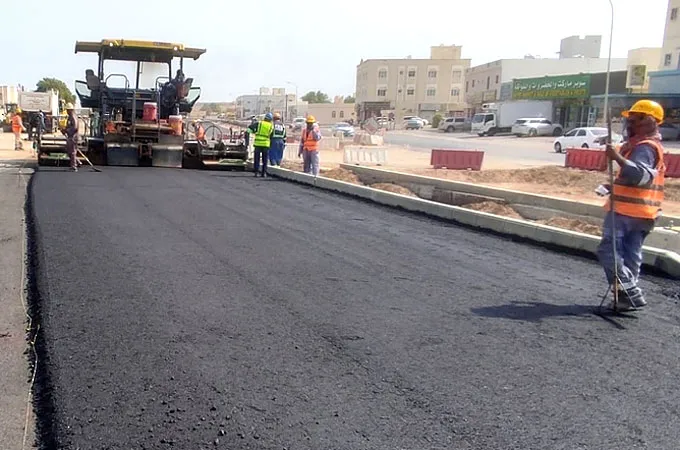
The strategy will target factors that contribute to heat retention, including road paving materials, building facades, open spaces, and the materials used around pedestrian walkways, said the Saudi Gazette report.
Proposed solutions include the use of innovative road-surfacing materials, open water channels, evaporation ponds, and expanded green cover to help reduce temperatures in targeted areas.
Planet said the study, scheduled to be completed within 12 months, will provide a framework for understanding Riyadh's heat challenges and a practical roadmap for reducing them. Pilot zones will be used to evaluate the effectiveness of proposed measures before any broader rollout, it added.