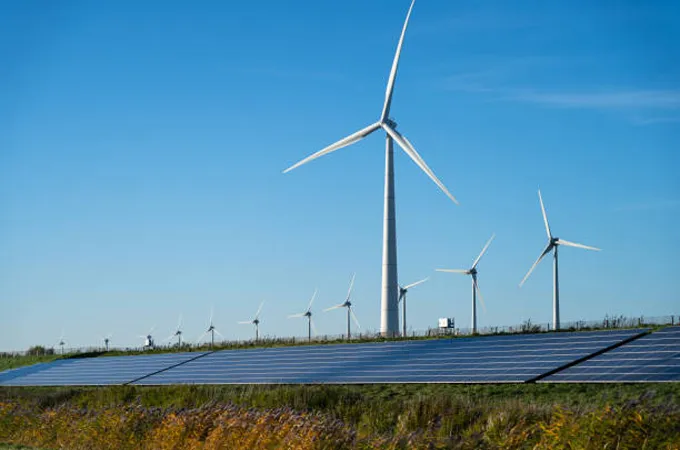
A new international report highlights that stronger government engagement and closer global cooperation will be critical to accelerating the deployment of clean energy technologies through the end of this decade.
The findings are set out in the latest Breakthrough Agenda
report, a joint publication by the International Energy Agency (IEA) and the
Climate High-Level Champions, which assesses progress on energy and climate
collaboration and identifies near-term priorities across six key sectors.
The report warns that while global commitments to energy
transition remain strong, translating ambition into implementation continues to
face significant challenges.
It notes that the pace of deploying new technologies will
depend increasingly on whether governments, industry and international
institutions can overcome barriers related to investment, infrastructure and
market development.
Global electricity demand rose by around 3 per cent in 2025,
more than twice the rate of overall energy demand growth, with renewables and
nuclear power meeting nearly 60 per cent of the increase.
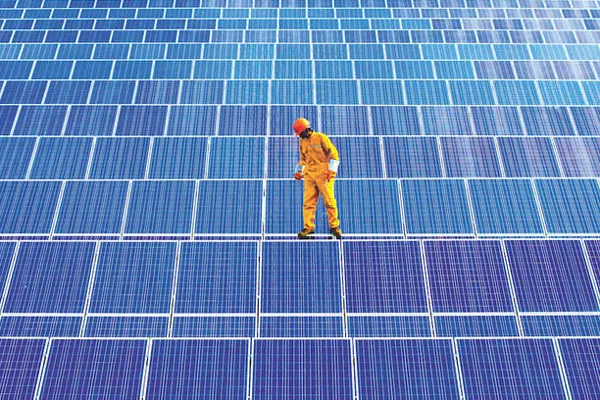
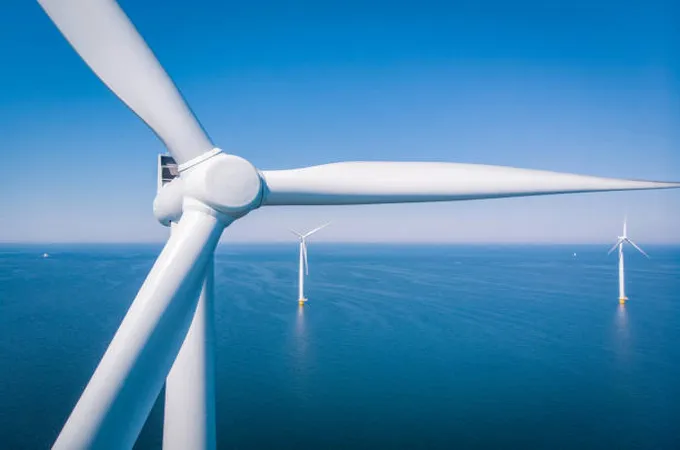
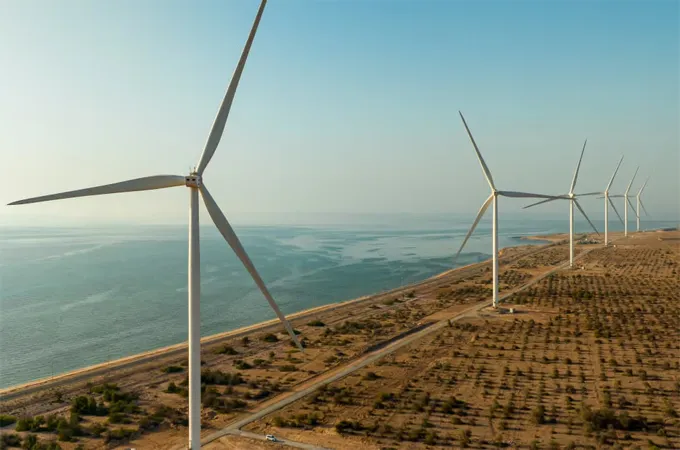
Annual renewable capacity additions reached a record 800 GW,
alongside rising investment in grids, electrified transport and industrial
systems.
Despite this progress, global energy-related carbon dioxide
emissions still increased in 2025, underscoring the gap between current policy
trajectories and international climate targets.
The report highlights a growing number of international
partnerships aimed at addressing energy transition challenges, but warns that
the expanding and often overlapping landscape of initiatives risks
fragmentation and inefficiency.
It calls for more coordinated action to align standards,
pool investment risk and improve financing conditions, particularly in emerging
and developing economies.
It also emphasises the central role of governments in
driving the next phase of collaboration, including shaping and implementing
sectoral action plans developed under the Global Climate Action Agenda and
related COP30 initiatives.
Launched at COP26, the Breakthrough Agenda provides a
framework for accelerating international cooperation across high-emitting
sectors, with the aim of making clean technologies the most affordable and
accessible option by 2030.
Fatih Birol, International Energy Agency Executive Director,
said: “As the current energy crisis shows, strong international
cooperation remains essential to help countries address shared energy
challenges. Investment in a range of key energy technologies is growing
robustly in many countries around the world, but faster progress will also
depend on whether governments can work together to reduce risks, strengthen
markets and expand the infrastructure needed for growth.”
Samed Ağırbaş, COP31 Climate High-Level Champion said:
“International efforts are increasingly focused on action and delivery. The
Global Climate Action Agenda reflects this shift, connecting governments with
non-State actors to ensure that what’s agreed in negotiation rooms is delivered
on the ground.”
Dan Ioschpe, COP30 Climate High-Level Champion said: “By aligning initiatives, strengthening coordination and supporting delivery across sectors, the Action Agenda seeks to ensure that commitments are realised through tangible progress on the ground. International cooperation is central to this effort, and can unlock more renewables, cleaner cities, resilient infrastructure, and finance flowing to where it’s needed most.” -OGN/TradeArabia News Service