Renewed tensions between the US and Iran have pushed oil prices higher, bringing inflation risks back into focus for global investors, according to Lale Akoner, Global Market Strategist at eToro.
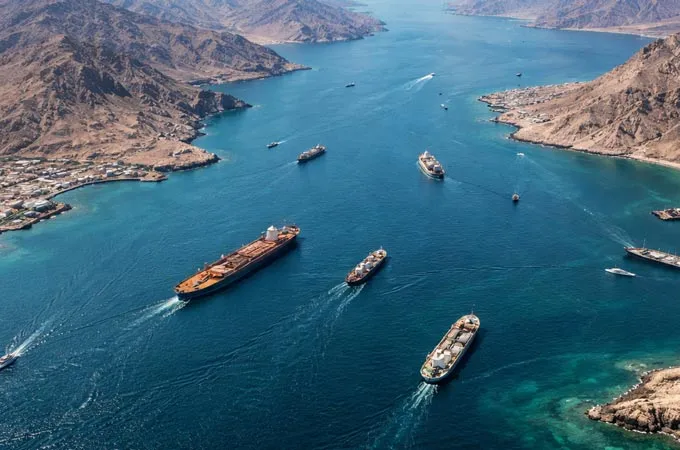
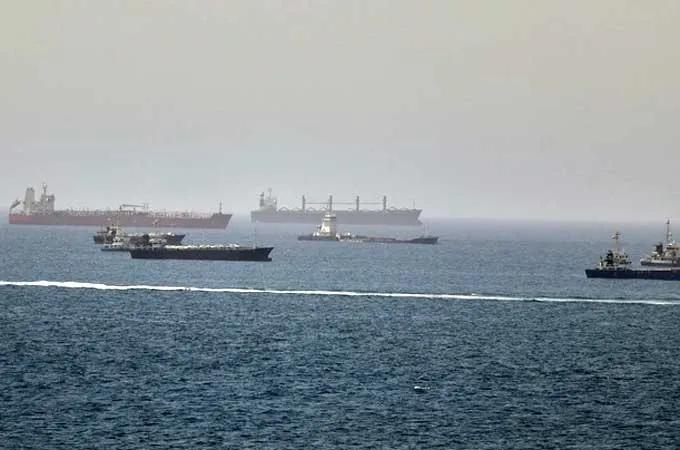
While crude prices have risen amid concerns over slower traffic through the Strait of Hormuz, markets are not yet treating the situation as a full-scale oil supply crisis. Instead, investors appear to believe that energy supplies are becoming tighter, but not significantly disrupted, she stated.
"Markets are pricing in higher geopolitical risk, but not a major supply shock," remarked Akoner. "Slower traffic through the Strait of Hormuz is helping to keep oil prices elevated, even after crude retreated from its move towards $80 a barrel."
According to her, the main concern for investors is the knock-on effect that higher energy prices could have on inflation.
"If oil prices remain elevated, higher fuel and transport costs could feed into broader inflation, making it harder for central banks to justify cutting interest rates," she stated. "That would create headwinds for bonds and interest rate-sensitive sectors such as real estate, utilities and higher-valued growth stocks," she added.
Energy stocks could continue to benefit if concerns over supply persist, although Akoner cautioned investors against making short-term decisions based solely on recent price moves.
"History shows that previous periods of heightened tension in the region have often led to renewed diplomatic efforts rather than prolonged conflict," said Akoner.
"Unless oil production or exports face more significant disruption, the broader market impact is likely to remain concentrated on oil prices, inflation expectations and assets most sensitive to interest rate movements," she added.-TradeArabia News Service