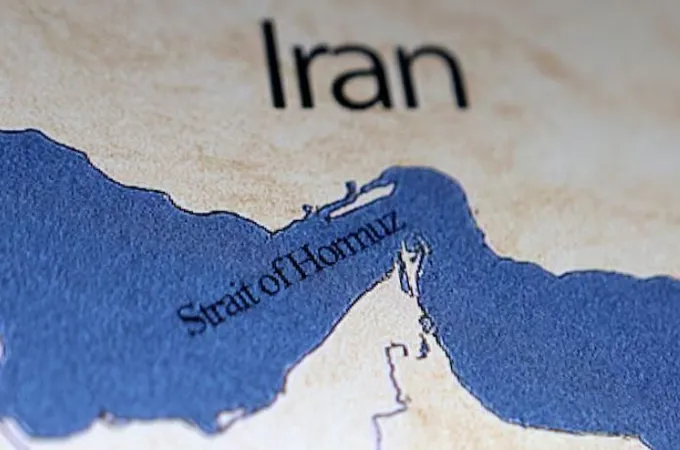
The Saudi asset management industry remained resilient in Q1 during the height of the Iran conflict, even posting some growth, says Fitch Ratings. Assets under management (AUM) are likely to continue to rise, surpassing $400 billion in 2027.
Key drivers include supportive regulatory initiatives, rising interest from foreign and domestic asset managers as well as institutional and retail investors, and easing entry requirements.
International and regional capital market institutions held a larger share of industry revenue at about 20% in 1Q26 (1H25: 15%). Private funds accounted for most AUM. Nearly all Saudi Exchange-listed mutual funds are sharia-complaint.
The recent US-Iran deal could support a more favourable capital market environment by reducing more acute geopolitical, credit and market risks. However, the agreement may still be delayed, not implemented, or followed by renewed instability, stated the top ratings agency.
Notable government initiatives could aid Islamic fund growth. The Capital Markets Authority (CMA) has proposed a draft aimed at enhancing the efficiency of conducting securities business.
Among proposed amendments is lowering the minimum capital requirement for custody activity by 60%. The CMA opened the capital markets to foreign investors. It also approved the establishment of simplified investment funds and the regulation of robo-advisory services. Investment options are increasing with new IPOs and listings, sukuk and bonds, ETFs and private credit funds, among others.
The Public Investment Fund has signed further memorandums of understanding with global asset managers and anchoring funds.
Foreign ownership accounted for about 44% of total buys and 37% of total sells on the main Saudi stock exchange in the week ending 11 June, up from 34% of buys and 30% of sells in the week ending 25 December 2025.
Total foreign ownership accounted for 12.6% of free float in the main stock market as of 11 June (end-2025: 12.4%). However, the share of foreign investors in government outstanding direct domestic issuance in primary local markets declined to about 8% in 1Q26 (2025: 12%; 2024: 4.5%) as investor sentiment shifted following the start of the conflict. JP Morgan announced that Saudi Arabia will be added to its Government Bond Index – Emerging Markets in 2027, which could support debt capital market (DCM) liquidity, diversification and resilience.
Industry AUM surpassed $340 billion (up by 17% yoy and 4% qoq) at end of Q1. Fitch estimates this at about 26% of GDP (end-1Q25: 23%). Saudi bank-affiliated asset managers continued to hold most industry revenue (about 60%). Private funds still dominate, accounting for about 54% of AUM, followed by discretionary portfolio management (DPM; 28%) and public funds (18%). Private funds’ AUM grew by 26% yoy and 6% qoq at end-1Q26, split mostly between real estate (54%) and equities (30%).
AUM under DPM declined by 0.4% yoy and 0.5% qoq at end-1Q26, with most in local shares. Public funds’ AUM grew by 20% yoy and 5% qoq. These were mainly held in money-market funds, with the rest split across equities, debt instruments, REITs and others. On Tadawul, the equity markets’ capitalisation grew by 7% yoy at end-May 2026, despite Iran war-related volatility.
Over 97% of mutual funds listed on the Saudi Exchange are sharia-compliant as of mid-June. Saudi entities remain large sukuk issuers globally; sukuk represented over 60% of Saudi Arabia’s DCM outstanding at end-May 2026. Nearly all Fitch-rated sukuk outstanding in Saudi Arabia were investment grade (98%) at end-1Q26 (end-2025: 97%), with over 90% in the ‘A’ rating category. Over 98% of issuers were on Stable Outlooks (end-2025: 97%).
The Saudi asset management industry remains exposed to risks including oil price and interest-rate volatilities, geopolitical instability and market risks.-TradeArabia News Service