Diplomatic efforts to ease tensions between the United States and Iran gathered momentum on Tuesday, with Qatar saying negotiations have reached "very progressive stages" and draft proposals for a possible agreement are now being circulated, even as Iran and Oman continued talks on future shipping arrangements in the Strait of Hormuz.
Qatar's Foreign Ministry said no direct negotiations were taking place between Washington and Tehran, but confirmed that mediation efforts were intensifying. The announcement came after Qatar's Emir Sheikh Tamim bin Hamad Al Thani held a telephone conversation with US President Donald Trump to discuss ways of bridging differences between the two countries.
The comments add to growing optimism from Washington that a diplomatic breakthrough could avert further military confrontation in the Gulf.
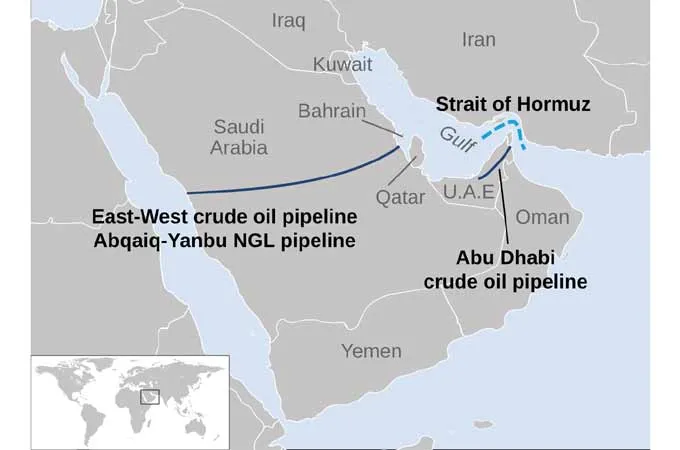
The focus has increasingly shifted to the Strait of Hormuz, through which nearly a fifth of global oil consumption passes, after weeks of conflict raised fears over the security of one of the world's most critical energy chokepoints.
Safe navigation of Hormuz
Iran said it is continuing negotiations with neighbouring Oman over safe navigation through the strategic waterway. Iranian Foreign Ministry spokesperson Esmaeil Baghaei said the discussions are aimed at establishing secure inbound and outbound shipping routes while safeguarding the sovereignty and national security interests of both countries.
An Iranian official familiar with the discussions said Tehran's objective is to establish temporary arrangements, potentially lasting up to three months, that would allow Iran to regulate a designated shipping corridor through the strait while broader negotiations continue.
Qatar also stressed the importance of maintaining freedom of navigation and said any future arrangements governing the Strait of Hormuz should be based on consensus among regional countries.
US Secretary of State Marco Rubio said negotiations on the waterway had made progress but were "not at finality", while Treasury Secretary Scott Bessent suggested an agreement could emerge "today or tomorrow."
Trump's hopes
President Trump also expressed confidence that the strait would reopen soon, warning that Iran would face renewed military action if negotiations collapsed.
"The Strait's going to be open very soon or they are going to get hit very hard," Trump said in an interview with Fox News. He added that while diplomacy remained his preferred option, the US was prepared to launch fresh strikes if Iran failed to honour any agreement.
Despite the diplomatic optimism, security risks in the region remain elevated. A cargo vessel reportedly lost power in the Strait of Hormuz after earlier being struck by an unidentified projectile, highlighting the continuing threat to commercial shipping.
Missile inventory depeleted
Meanwhile, military officials are raising concerns over the sustainability of any prolonged conflict, with US missile defence inventories significantly depleted after months of operations against Iranian missile attacks, a CNN report said.
According to officials familiar with Pentagon assessments, the US military has used nearly 80% of its Terminal High Altitude Area Defense (THAAD) interceptor inventory since the conflict began, while approximately half of its Patriot missile interceptors have also been expended.
Before the war, the Center for Strategic and International Studies estimated the United States possessed around 452 THAAD interceptors and about 2,200 Patriot missiles of its most advanced variants. Senior military commanders have reportedly warned that current stockpiles are now "dangerously low", raising questions over America's ability to sustain prolonged missile defence operations.
The shortages extend beyond defensive systems. Reuters reported that the US Army has also exhausted much of its inventory of long-range precision strike weapons, including Army Tactical Missile Systems (ATACMS) and the newer Precision Strike Missile (PrSM), prompting concerns over US readiness for future conflicts.
The depletion of US missile inventories has also alarmed Gulf Arab states, many of which rely heavily on American-made Patriot and THAAD systems to defend against potential Iranian missile and drone attacks. Regional officials fear that reduced US stockpiles could weaken their own air defence capabilities should the conflict escalate again.