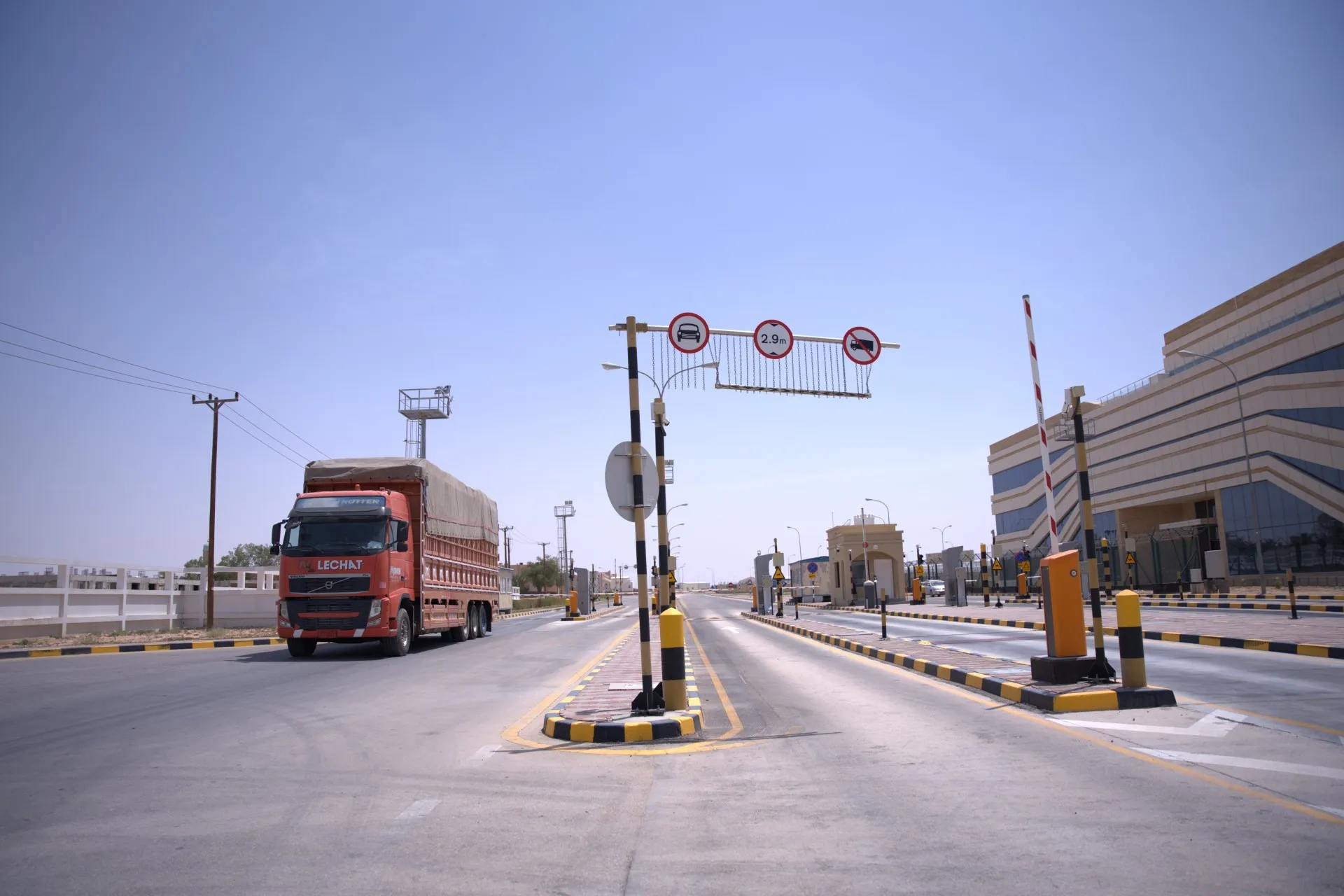
Oman's Al Mazunah Free Zone said it has localised four projects during the first half covering industrial, logistics and export-office activities across more than 2,415 sq m.
With this move, its cumulative investment in the free zone has risen to RO141 million ($366 million), with leased space exceeding 1.4 million sq m out of a total 15.36 million sq m, stated the zone's operator, the Public Establishment for Industrial Estates (Madayn).
Madayn plans further development at the zone, including a new gateway in coordination with relevant authorities and an internal irrigation network to expand green areas.
Projects under the current five-year plan include an industrial incubator and specialised warehouses covering 50,000 sq m as well as a feasibility study for a 1,000-sq-m cold-storage facility and a representative office targeting the Yemeni market.
Oman's Al Mazunah Free Zone localised four projects worth more than RO620,000 during the six-month period.
Al Mazunah is preparing to host the second Al Mazunah Economic Exhibition and Forum from October 20 to 22, with the event aimed at strengthening trade and investment ties between Oman and Yemen and attracting local and international companies.
The forum will focus on investment opportunities and strategic partnerships and is expected to draw manufacturers, logistics providers, import-export companies, food suppliers, automotive businesses and small and medium-sized enterprises, said the statement from Madayn.
The zone completed preparations for its desalination plant during the first half of 2026 and began receiving applications for water services. Design work for infrastructure for Phase 4, covering 1.5 million sq m has also been completed, it stated.
Its future plans include an automotive complex with showrooms and public parking spanning 50,000 sq m. Al Mazunah also aims to add 1 megawatt of solar capacity through solar-powered lighting and encourage existing companies to shift 10% of their electricity consumption to clean energy, while requiring new companies to install renewable-energy systems, it added.-TradeArabia News Service