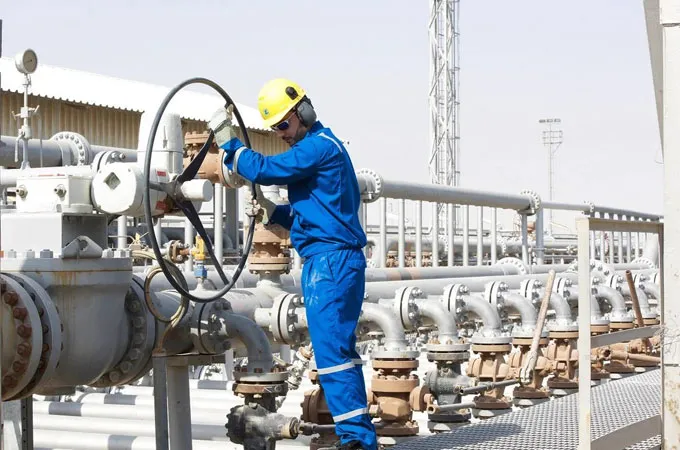
Harbin Electric International (HEI), a leading Chinese power engineering and energy company, is delivering the Rumah-2 Combined-Cycle Power Plant in Saudi Arabia as part of the country's efforts to advance its energy transition under Vision 2030. The company recently hoisted the Gas Turbine Unit 1 into position, marking the full launch of the project's installation work and a significant milestone in the construction of the power plant.
As a landmark energy transition project for Saudi Arabia's Vision 2030, the plant will replace conventional fuel oil power generation with natural gas. Upon completion, it is expected to cut carbon dioxide emissions by over 5 million tons annually.
Rumah 2: A Beam of Light in the Desert takes viewers behind the scenes of this major energy project, following the journey of a 253-ton gas turbine from transportation to final installation.
After its original transportation route was disrupted, the turbine was rerouted to Saudi Arabia's west coast and transported nearly 2,000 kilometers across the country to the project site. The transportation involved detailed route surveys, road reinforcements, bridge clearances, traffic diversions and overnight coordination with local authorities. At some points, the clearance between the equipment and infrastructure was measured precisely in mere centimeters.
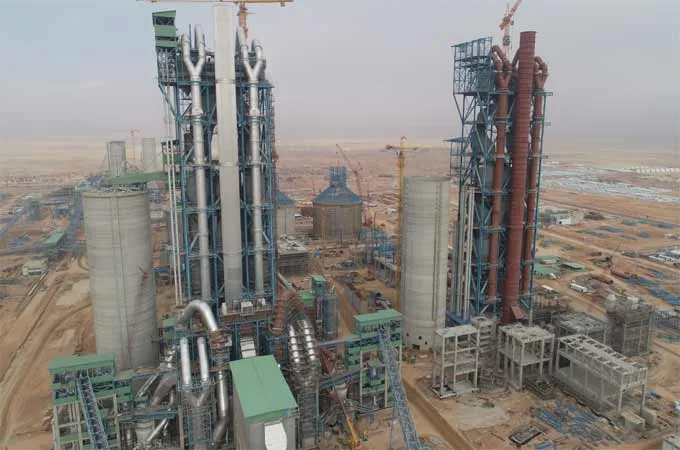
The turbine's journey unfolds alongside another transformation: the construction of the power plant itself. When the project team first arrived, the site was little more than open desert. Over the following months, workers from China, Saudi Arabia, India and other countries worked together to build the facilities from the ground up, overcoming extreme heat, tight schedules, resource constraints and the challenges of working across cultures.