The BRICS group of nations unanimously adopted a joint declaration on Saturday, expressing "deep concern" over the war in the Middle East and urged maximum restraint, advocating for a "multilateral approach" that respects national viewpoints.
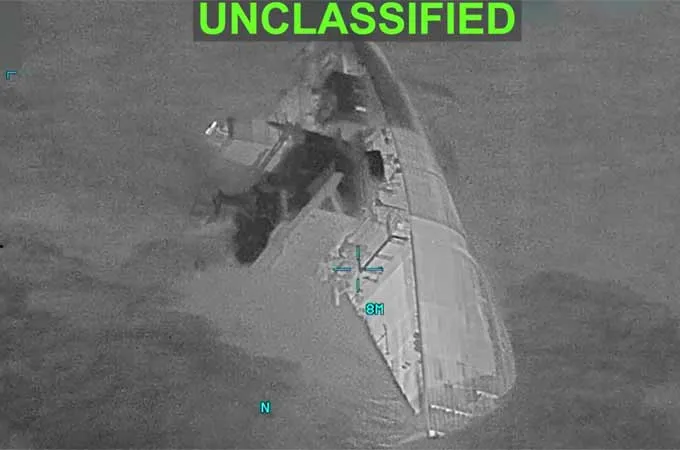
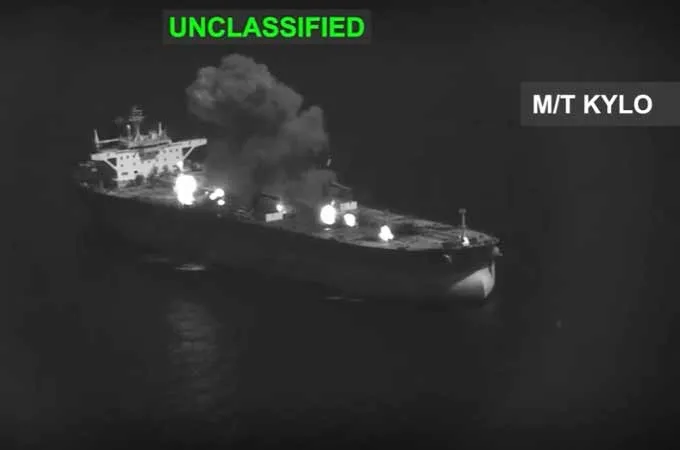
The declaration, adopted on the first day of the BRICS leaders' annual summit in New Delhi, comes at a time when US and Iran have resumed tit-for-tat strikes against each other, after a pause in fighting for much of August, reported Reuters.
The BRICS bloc includes both Iran and Washington-ally UAE, which was expected to make clinching a joint statement consensus a particularly challenging task for host New Delhi.
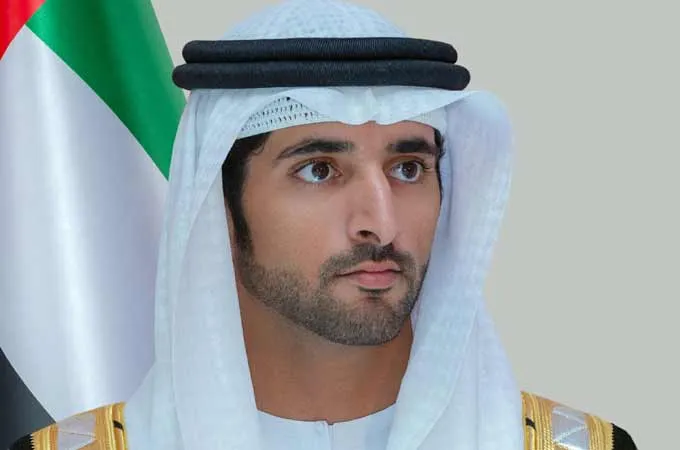
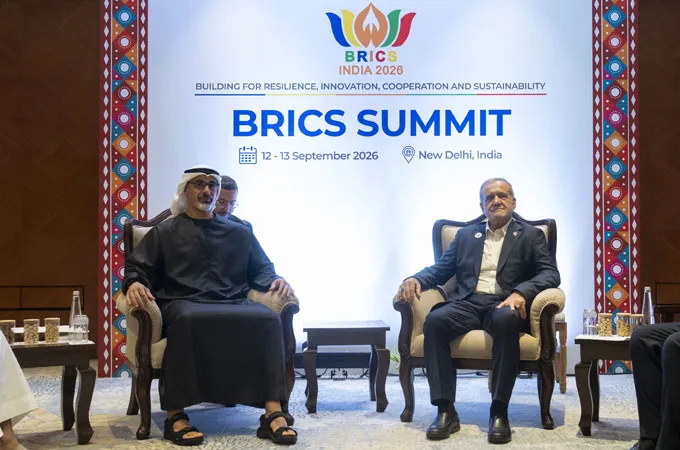
On the sidelines of the summit, HH Sheikh Khaled bin Mohamed bin Zayed Al Nahyan, Crown Prince of Abu Dhabi, met Dr Masoud Pezeshkian, President of Iran, and underscored the importance of supporting efforts to ease tensions, promote de-escalation and strengthen regional stability, while advancing opportunities for peace and development for the peoples of the region, reported Wam.
The Crown Prince also met Russian President Vladimir Putin during the key event, where they discussed ways to boost UAE-Russia relations and further strengthen bilateral ties in support of shared interests, and in line with the aspirations of both countries and their peoples.
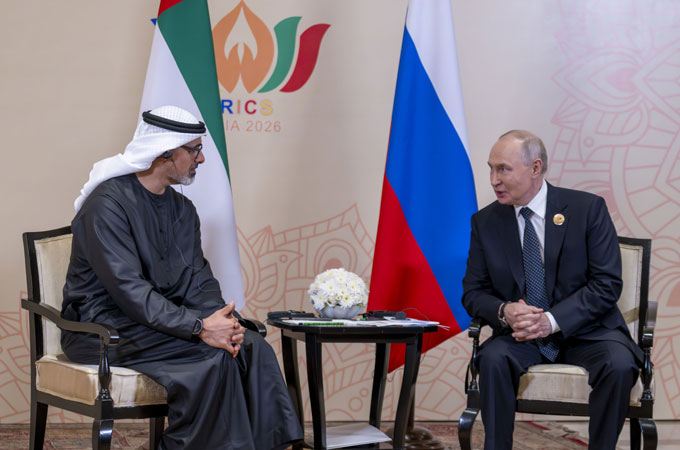
The two sides also exchanged views on a number of regional and international issues and underscored the importance of continued coordination on the outcomes of the BRICS Summit, with a view to translating its recommendations into practical initiatives for the benefit of all.
"We express deep concern over the continued escalation of tensions in Middle East...call for exercising maximum restraint...avoiding actions that could further aggravate the situation," the 'New Delhi Declaration' said.
The declaration also reiterated the commitment of member nations to a peaceful resolution of international disputes "through dialogue, consultation, and diplomacy".
In addition, they voiced concerns about the rise of "unilateral tariff and non-tariff measures" that distort trade, against the backdrop of US sanctions against Tehran amid its war with the country, and against Russia over its conflict with Ukraine.