Capital remains available for travel technology businesses with a credible path to profitability, while the rapid development of artificial intelligence (AI) is prompting investors to reassess competitive advantages and the potential for consolidation.
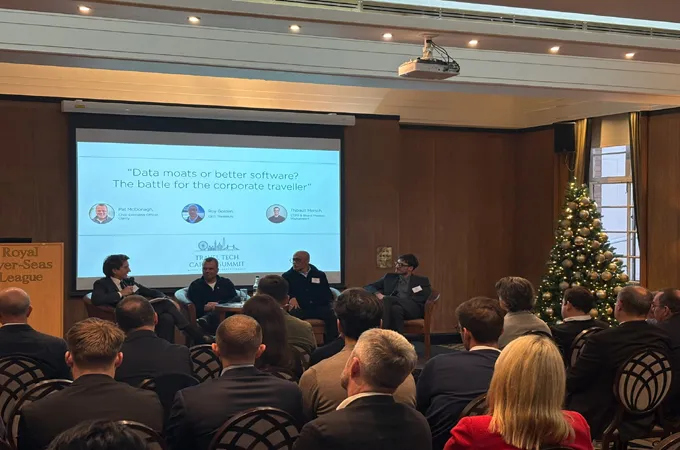
These were among the key conclusions of the inaugural Travel
Tech Capital Summit, held at Six Park Place in London on November 2, ahead of
WTM London.
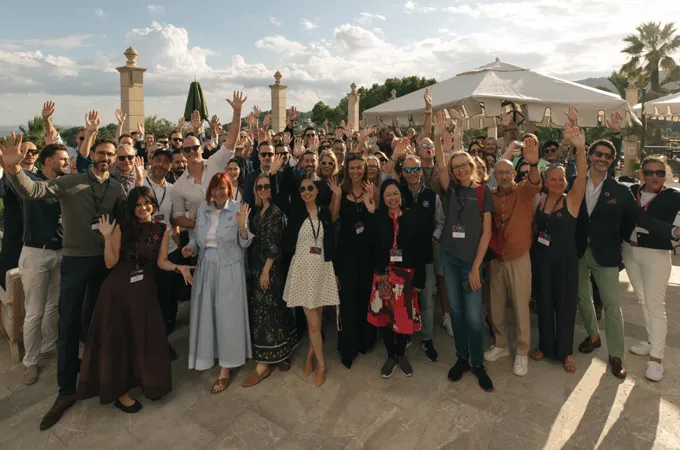
Jointly organised by Cambon Partners, Ennea Capital
Partners, Oppenheimer & Co and VIDEC, the invitation-only event brought
together more than 100 investors, founders and senior industry executives for
eight sessions covering AI, hospitality technology, ground transport, leisure
and corporate travel.
Discussions highlighted continued investor confidence in
established consumer brands, businesses with access to unique inventory and
companies operating proprietary distribution technology.
“What struck me was how much confidence investors still have
in consumer brands that have earned travellers’ trust. People are already using
AI to research a trip, but trusting it to make a booking on their behalf is a
bigger step. We also heard a lot of interest in businesses that control unique
inventory and have built their own technology to distribute it. From an
investor’s perspective, that combination is attractive because it’s hard to
replicate,” said Morgann Lesné, Partner and Head of Travel & Hospitality at
Cambon Partners.
An Oxford-style debate examined whether AI agents or travel
brands would own the traveller relationship by 2030, considering the
implications for discovery, booking and consumer trust.
VIDEC identified three major trends shaping the sector:
accelerating consolidation, increasingly selective investment and the
continuing importance of intermediaries.
“As technology becomes more widely accessible, lasting
competitive advantage will depend on how well businesses understand and solve
their clients’ challenges. Trusted relationships and deep industry expertise
remain essential, even as AI reshapes the travel technology landscape,” said
Virendra Jain, Co-founder and CEO at VIDEC.
Although risk capital remains difficult to secure,
businesses demonstrating a clear route to profitability continue to attract
funding. This could also create opportunities for generalist private equity
investors.
VIDEC also stressed that AI-driven changes to search and
booking would not eliminate intermediaries, as sourcing inventory and
fulfilling travel bookings remain complex processes.
Ennea Capital Partners highlighted the importance of
delivering tangible improvements to travellers and strengthening the technology
infrastructure underpinning the industry.
“AI is reshaping every corner of travel, but the traveller
has barely felt it yet. Lasting winners will be the ones who make trips better
or better value, not those riding the AI wave with tools anyone can copy in a
year or two,” said Andreas Nau, Partner at Ennea Capital Partners.
Sessions on hospitality technology, ground transport and
rail highlighted opportunities in connectivity, data, distribution and
operational systems, particularly where fragmented services can be integrated
into wider journeys.
Corporate travel discussions also emphasised the importance
of infrastructure for policy management, control and duty of care.
Ennea further argued that intermediaries' value extends beyond search and booking to providing support when journeys are disrupted, reinforcing the importance of accountability throughout the travel experience. -TradeArabia News Service