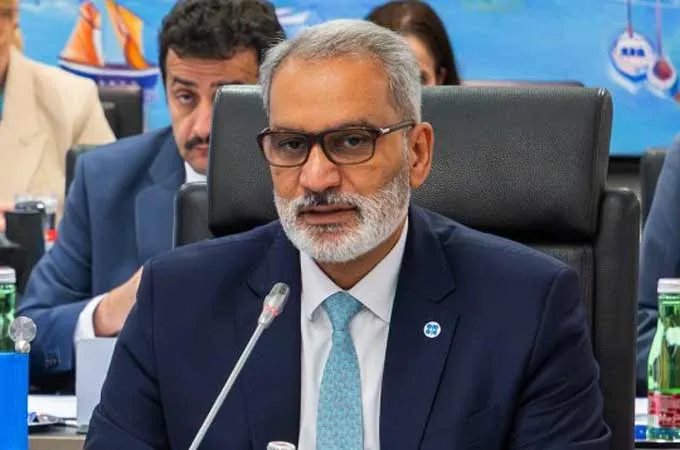
Despite ongoing disruption to oil flows through the Strait of Hormuz and continued uncertainty surrounding the conflict involving Iran, OPEC has maintained its forecast for global oil demand growth, citing no evidence of a slowdown in consumption.
Opec’s World Oil Outlook 2026 projects global energy demand to rise 23 per cent by 2050, with oil reaching 124 mb/d. It highlights the need for diverse energy sources, expanded access, and sustained investment to balance growth, sustainability and affordability.
The Organization of the Petroleum Exporting Countries (OPEC) expects global oil demand to continue expanding this year and the next, supported by resilient economic growth, rising mobility and increased industrial activity across major emerging economies.

The UAE is entering “a new chapter” in which it is reshaping its place in the global economy with “confidence, clarity, and ambition”, said Dr Sultan bin Ahmed Al Jaber, Minister of Industry and Advanced Technology.
Seven OPEC+ countries will raise oil output targets by 188,000 barrels per day in June, the third consecutive monthly increase, OPEC+ said in a statement.
A Reuters survey showed that oil output Opec fell to a more than 20-year low in April, dropping 830,000 barrels per day to 20.04 million bpd as Strait of Hormuz disruptions linked to the US-Israeli conflict with Iran hit exports.
For ADNOC’s portfolio of listed companies, the UAE’s decision to conclude its membership of OPEC and OPEC+ removes a constraint that has historically limited how investment in capacity translates into activity and earnings, said a WAM news agency report.

The eight OPEC+ countries, namely the UAE, Saudi Arabia, Russia, Iraq, Kuwait, Kazakhstan, Algeria and Oman, have announced an adjustment to oil production levels, reaffirming their joint commitment to supporting stability in global oil markets, said a report.
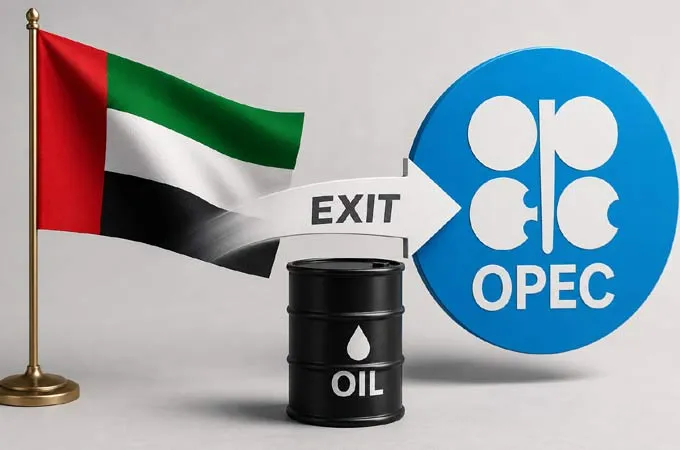
The United Arab Emirates’ planned exit from OPEC and OPEC+ from May 2026 is expected to have limited immediate impact on oil markets in the near term but could weaken the group’s supply management over time, HSBC said, while OPEC+ sources signalled the alliance would remain broadly intact.
In a shock move poised to rattle global oil markets, the UAE has announced it will exit the Organisation of the Petroleum Exporting Countries and its wider Opec+ grouping, effective May 1, 2026.