Based on its corporate travel data and booking trends, musafir.com reports that business travel spending across the Middle East has surged by nearly 20% in 2025, signalling strong momentum as the region moves into 2026.
The growth is being driven by a sharp rise
in MICE activity, large-scale industry events, and cross-border leadership and
strategy sessions, positioning the Middle East as a preferred hub for global
corporate engagement.
musafir.com, a leading travel management
company headquartered in the UAE, recorded 35% year-on-year growth in its
corporate travel business, reflecting sustained demand across the UAE, Qatar
and Saudi Arabia.
The company notes a clear increase in
travel linked to conferences, trade shows, executive offsites and regional
expansion initiatives, as organisations operate more fluidly across Gulf
markets.
“We are witnessing a fundamental
recalibration of why companies travel,” said Sachin Gadoya, CEO and Co-Founder
of musafir.com. “Business travel is no longer defined by routine movement, but
by purposeful moments that drive alignment, trust and outcomes.”
From Volume to Value
Globally, business travel spending reached $1.47
trillion in 2024, reflecting continued confidence in in-person engagement.
However, the nature of corporate travel has evolved. In a hybrid-first business
landscape, organisations are prioritising travel that delivers strategic
return.
Routine, single-purpose trips are
declining, while leadership summits, innovation workshops, client co-creation
sessions and deal negotiations show clear upward movement. Budgets are being
redirected toward journeys that advance commercial goals, not simply maintain
presence.
Face-to-face interaction continues to play
a critical role in complex environments, where trust, active collaboration and
accelerated decision-making are essential.
Why the Middle East Is Emerging as a Global
Collaboration Hub
The Middle East’s rise as a destination for
corporate gatherings is underpinned by world-class event infrastructure, strong
regional connectivity, and an expanding calendar of international exhibitions
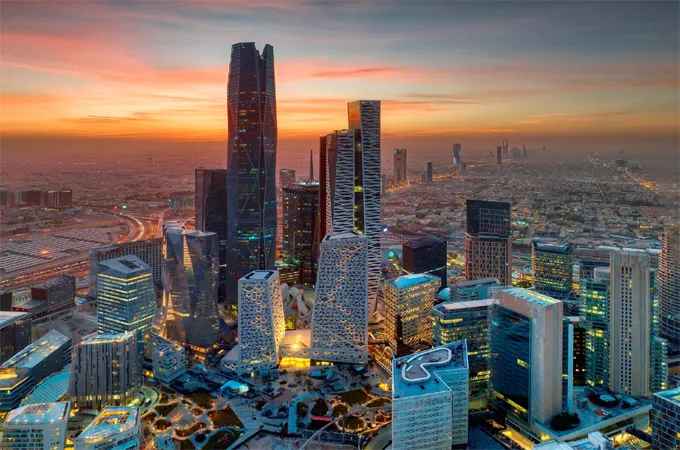
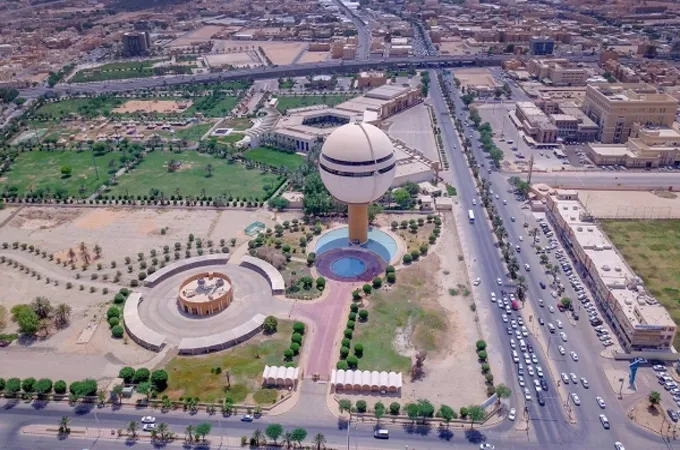
and forums. Cities such as Dubai and Riyadh are increasingly selected for
regional and global meetings, offering neutral ground for multinational teams.
musafir.com has observed a significant
increase in travel between the UAE and Saudi Arabia, alongside higher hotel
booking volumes and corporate movement linked to construction, real estate,
energy and technology sectors. These patterns reflect both the scale of
development underway and the growing need for in-person coordination across
borders.
“For many organisations, a focused two-day
in-person strategy session can achieve what weeks of virtual meetings cannot,”
Gadoya added. “That’s particularly true for businesses managing regional growth
and complex stakeholder relationships.”
Corporate Travel Trends Shaping 2026
Looking ahead, musafir.com identifies
several trends expected to define corporate travel in 2026:
“The future of corporate travel belongs to organisations that travel with purpose,” concluded Gadoya. “When travel is tied to strategy, it becomes a catalyst for innovation, trust and long-term growth.” -TradeArabia News Service