Iran’s retaliatory strikes across the Gulf have disrupted some business activity in one of the world’s most trade-dependent regions, forcing temporary airport closures, interrupting port operations and unsettling financial markets , while the private sector remains resilient according to authorities.
Some retail outlets and hospitality venues in affected areas closed temporarily amid security advisories and public caution. The strikes coincided with Ramadan, traditionally a peak season for consumer spending and corporate networking events, amplifying the commercial impact.
Dubai’s private sector continues to operate normally, with most commercial activities running without disruption. "We commend the sector’s commitment and resilience in sustaining the emirate’s economic momentum, said authorities.
The private sector in Abu Dhabi continues to operate without disruption, and economic momentum remains strong, authorities in the UAE capital said.
Civil aviation authorities in several Gulf states temporarily shut down airspace as a precautionary measure, grounding flights and diverting inbound aircraft to alternative destinations.
Hub airports including Dubai International Airport and Zayed International Airport reported damage from Iranian attacks and are making security assessments. Airports in other Gulf capitals also announced temporary closures or severe restrictions, creating a ripple effect across global flight networks that rely heavily on Gulf hubs as transit points between Europe, Asia and Africa.
Major regional carriers, including Emirates, Etihad Airways, Qatar Airways and Saudia, suspended or significantly reduced operations as airspace closures and safety concerns made scheduling impossible.
Airlines said passenger and crew safety remained their top priority, while working to rebook travellers and reposition aircraft stranded outside the region. The sudden halt has affected tens of thousands of passengers during what is typically a busy travel period linked to Ramadan gatherings and school holidays.
The Gulf’s major hubs handle millions of transit passengers each month, serving as key connectors for long-haul travel. In the UAE alone, aviation contributes an estimated 13% to GDP when direct and indirect activity is included. Even short-term suspensions can translate into significant losses for airlines, airports, duty-free operators, ground handlers and hospitality businesses.
Port operations have also been affected. A berth at Jebel Ali Port, the region’s largest container hub, reportedly caught fire following an aerial interception, while other ports activated emergency protocols.
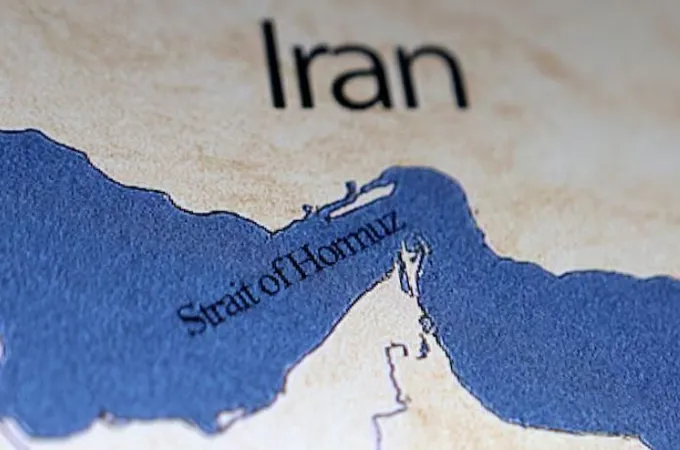
Shipping companies are reassessing routes through the Strait of Hormuz, a critical chokepoint through which roughly a fifth of the world’s oil supply passes daily. War-risk insurance premiums for vessels operating in Gulf waters have reportedly increased, adding to costs for exporters and importers.
Financial markets reflected the heightened uncertainty. Saudi Arabia’s benchmark index fell sharply at the open before trimming losses to close down 2.2%. Oman and Egypt also ended lower after earlier steeper declines, and Kuwait temporarily suspended trading.
Analysts note that while higher oil prices may provide a fiscal cushion for major producers, non-oil sectors—including logistics, tourism and retail—are vulnerable to prolonged disruption.