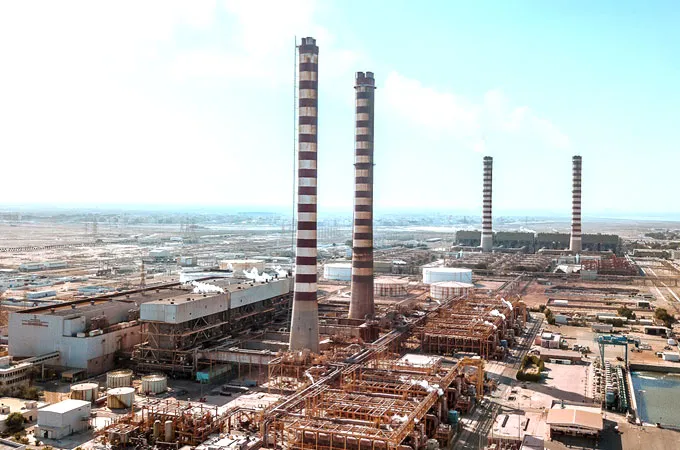
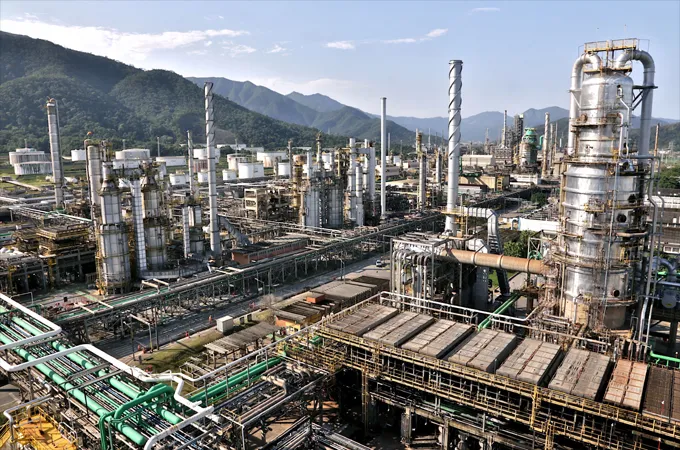
Exxon Mobil TotalEnergies and Shell are among the companies with more exposure to disruptions in oil and gas production due to the US-Israel war with Iran, analysts said in research notes.
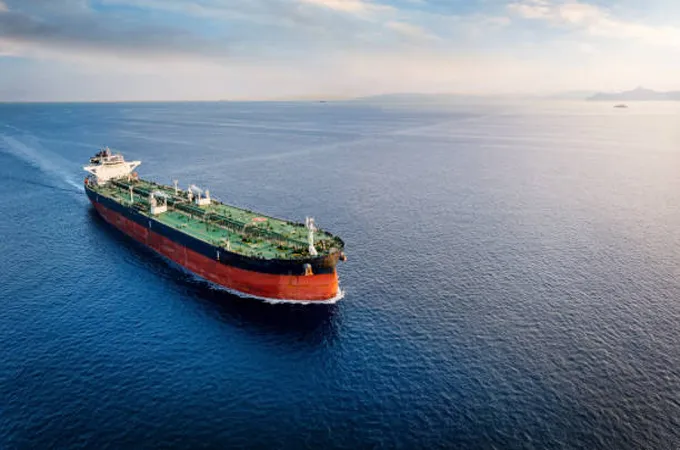
The conflict has forced the shutdown of some oil and gas fields in the region and effectively halted shipping through the Strait of Hormuz, an important waterway between Iran and Oman through which tankers carrying crude oil, fuel and liquefied natural gas from major Middle Eastern producers and refiners must travel on their way to buyers, reported Reuters.
Analysts at Jefferies estimate 29 per cent of French oil major TotalEnergies' total production is in the Middle East while the region accounts for 20 per cent of Exxon's oil and gas output and 20 per cent for Shell.
Even as the war threatens some production, it has caused a surge in oil and gas prices that could help prop up the companies' profits.
Brent crude futures settled up about 7 per cent on March 2 at $77.74 per barrel, while the European natural gas benchmark jumped about 40 per cent.
One of the most significant impacts could be to Exxon's liquefied natural gas portfolio. Nearly 60 per cent of the US oil major's LNG business is concentrated in the Middle East, TD Cowen said.
Exxon declined to comment on its operations in the region, while Shell and TotalEnergies did not immediately respond to requests for comment.
The three companies are all partners of Qatar's state-owned energy firm QatarEnergy, which halted LNG production on March 2 following Iranian drone attacks on its facilities. The country accounts for about 20 per cent of global LNG supply.
Exxon will eventually benefit from the startup of Golden Pass LNG, its project in Texas that is expected to begin production this month, noted Betty Jiang, an analyst from Barclays.
In addition to LNG stakes in the Middle East, TotalEnergies produces oil and gas in the UAE and Shell has a significant presence in Oman.