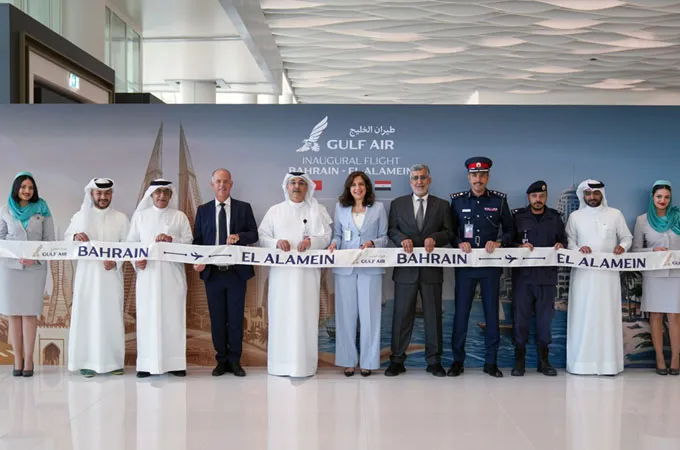
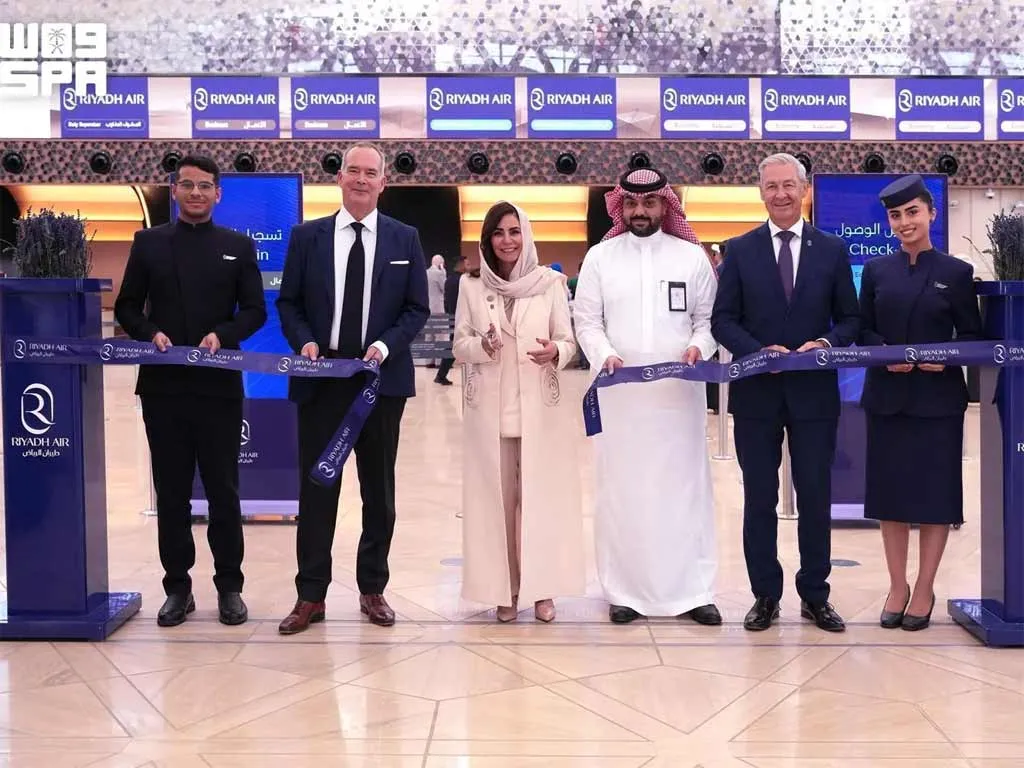
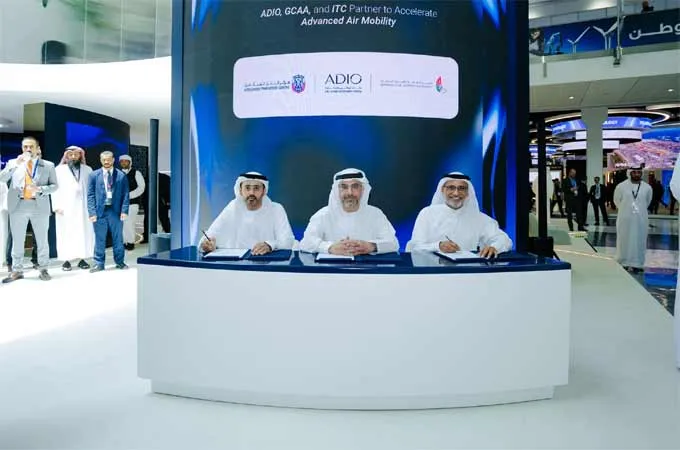
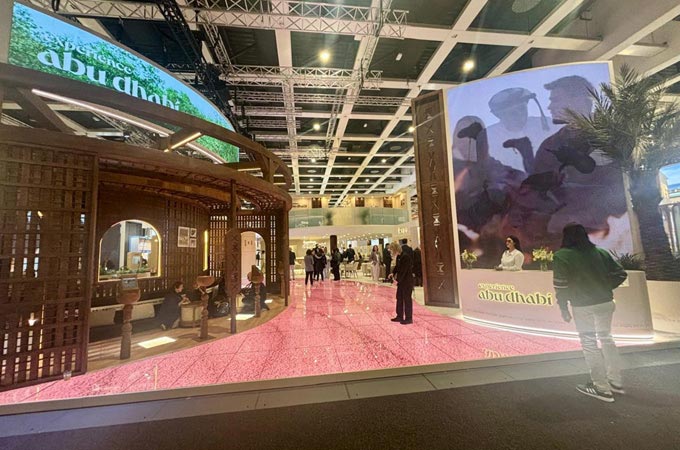
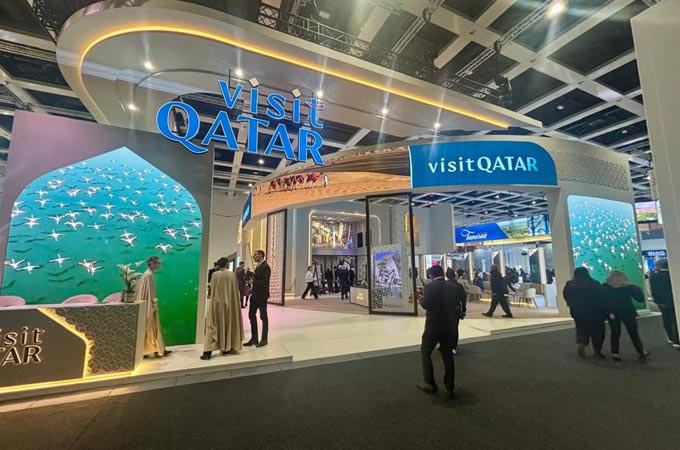
Middle Eastern countries are out in force at ITB Berlin, the world’s largest travel trade show, showcasing their tourism offerings with renewed vigour despite the ongoing conflict in parts of the region. From ambitious destination campaigns to major hospitality and aviation expansions, national tourism boards are using the global platform to reaffirm their commitment to growth, connectivity and international partnerships.
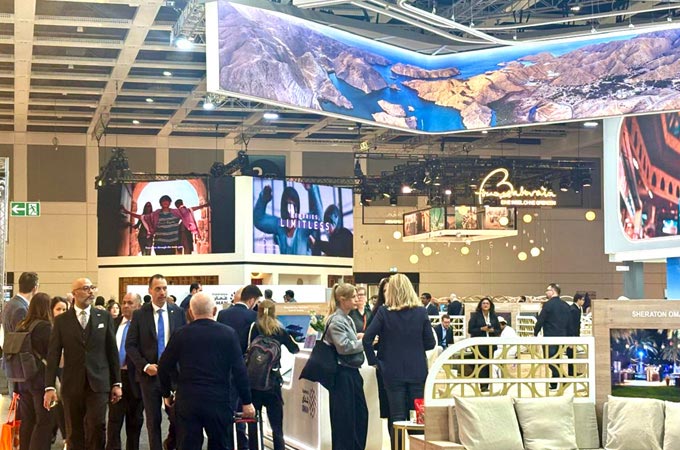
At the opening of ITB Berlin, Director Deborah Rothe underlined the significance of maintaining industry dialogue during challenging times. She described the event as an essential platform for direct exchange and business development, particularly amid international tension.
“Many exhibitors from the affected region maintain offices, agencies, or representations in Europe and are sending representatives to Berlin to ensure their presence on site. Personal dialogue helps clarify open questions and reinforces trust in established business relationships, especially in the current situation,” she said.
Rothe noted that international participation remains robust overall. “Apart from Israel, which has cancelled its participation, exhibitors continue to attend as planned. We are therefore pleased to welcome the global tourism community here in Berlin,” she added.
Emphasising the broader role of the travel sector, she said: “As the world’s leading travel trade show, ITB Berlin stands for dialogue, mutual understanding, and the unifying power of travel. Tourism connects people, builds bridges between cultures, and fosters international cooperation.”
Against a backdrop of geopolitical uncertainty, the strong Middle Eastern presence at ITB Berlin signals a clear message: the region’s tourism ambitions remain firmly on course, with industry leaders choosing engagement and global outreach over retreat.
Barometer of tourism
Running from March 3 to 5, it ITB Berlin is welcoming tourism ministers, airline executives, hotel groups, tour operators and technology pioneers who will gather not just to do business, but to shape the future of travel itself.
More than just a trade fair, the annual gathering has become a barometer for where tourism is headed - and this year, the message is clear: technology and sustainability are no longer trends, but imperatives shaping the future of travel, said the event organisers.
With artificial intelligence, sustainable tourism and the fast-growing adventure travel market taking centerstage, this year’s edition signals a pivotal moment for the sector, they stated.
ITB Berlin 2026 reflects an industry in transformation - one embracing digital acceleration while responding to mounting environmental responsibilities. More than 6,000 exhibiting companies from around the world are presenting their destinations, services and solutions, with visitor numbers expected to exceed 100,000.
Delegates include travel agencies, airlines, tourism boards and hospitality leaders, turning Berlin into a high-level marketplace of partnerships and policy discussions.
Prominent participants include Thailand, Egypt, Turkey, and Italy, with Angola featured as the Host Country, showcasing its cultural diversity, natural attractions, and tourism potential.
Some of the high-profile speakers in the list include former German Foreign Minister Joschka Fischer, Airbnb co-founder Nathan Blecharczyk, and industry experts from Google, Skift, and other leading organisations.
AI hogs the limelight, redefining the journey
Innovation is the defining theme. From data-driven destination management to AI-powered booking systems, the exhibition floor is a showcase of how technology is reshaping global mobility. Organisers have positioned this year’s event as a launchpad for a smarter, more efficient and more sustainable era of travel.
Artificial intelligence has emerged as the standout narrative of ITB Berlin 2026. Across panel sessions and product demonstrations, AI is presented not as a future concept, but as a present-day driver of competitive advantage, said the organisers.
Travel technology firms are unveiling AI tools that refine dynamic pricing, automate customer service and deliver hyper-personalised recommendations. By analysing vast pools of consumer data, these systems allow brands to anticipate traveller preferences, streamline booking paths and tailor experiences in real time.
From intelligent booking engines to multilingual virtual assistants, AI is transforming how travel companies interact with customers. The result is a shift toward frictionless journeys - where operational efficiency meets highly customised service, said the organisers.
Future of travel is digital
For an industry rebuilding and reinventing itself, ITB Berlin 2026 makes one message clear: the future of travel will be digital, data-driven and increasingly sustainable - and that future is already unfolding, they added.
This year’s focus on AI highlights how the technology can improve efficiency, enhance customer experiences, and ultimately reduce costs for travel businesses. From smart booking engines to virtual assistants, AI is revolutionizing the way travel companies interact with customers. As a result, travel brands are improving their customer satisfaction rates while gaining valuable insights into consumer behaviour and preferences.-TradeArabia News Service