All eyes are on Pakistan's capital Islamabad as it hosts what are being described as “make-or-break” talks between the United States and Iran on Saturday, even as doubts persist over their prospects amid sharply divergent positions, ongoing violence in Lebanon, and renewed warnings from Donald Trump of intensified military action if diplomacy fails.
The negotiations, aimed at ending a six-week conflict, come under a cloud after Tehran signalled that discussions may not proceed without prior commitments from Washington on sanctions relief and a ceasefire in Lebanon. The linkage between the Iran-US track and developments in Lebanon remains a key sticking point, with Iran insisting the issues are connected, while the US and Israel maintain they are separate.
Delegations arrive
The US delegation, led by Vice President JD Vance and including special envoy Steve Witkoff and adviser Jared Kushner, was en route to Islamabad following a stop in Paris. The Iranian side, headed by Parliamentary Speaker Mohammad Baqer Qalibaf and Foreign Minister Abbas Araqchi, arrived in Pakistan a day earlier.
Pakistan Prime Minister Shehbaz Sharif has described the talks as a “make-or-break moment,” as Islamabad remains under tight security with a heavy deployment of paramilitary and army personnel.
Uncertainty over the talks has been compounded by developments in Lebanon, where Israeli strikes continued across the south. A reported attack on a government building in Nabatieh killed multiple members of Lebanon’s state security forces, according to official statements. Iran-backed Hezbollah said it responded with rocket fire towards northern Israel, underscoring the risk of further escalation that could derail diplomatic efforts.
Iran's call to honour 'commitments'
Qalibaf has indicated that Iran would only enter negotiations if earlier US commitments — including the unfreezing of Iranian assets and steps towards a ceasefire in Lebanon — are honoured. He also signalled that Tehran remains open to an agreement if it is seen as credible and safeguards Iran’s rights.
Washington has not formally responded to these conditions. However, Trump reiterated a hardline stance, warning that the US could resume and intensify strikes if a deal is not reached, while also asserting that Iran holds limited leverage in the negotiations.
"The Iranians don't seem to realize they have no cards, other than a short term extortion of the World by using International Waterways. The only reason they are alive today is to negotiate!" he said in a social media post.
Vance's cautious optimism
Meanwhile, parallel diplomatic efforts are underway, with Israeli and Lebanese representatives expected to meet in Washington in the coming days under US mediation. However, conflicting accounts persist over the scope of those discussions, particularly on whether they would prioritise a ceasefire or broader negotiations.
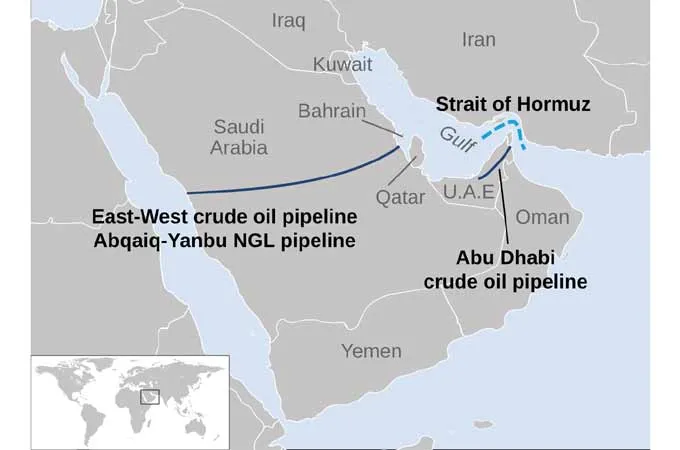
Few vessels carrying oil and other critical shipments are traveling through the Strait of Hormuz, despite the ceasefire. Iran’s chokehold on global oil supply has driven major consumer price hikes in the US and sent ripple effects around the world.