DNV’s analysis of Spain’s energy transition finds that while the country has made measurable progress, it is not yet on track to meet its climate targets or achieve full decarbonisation by mid-century.
Emissions have declined since their peak in 2007, but Spain has only achieved a 13 per cent reduction compared to 1990 levels, well below its national target of 32 per cent.
Looking ahead, DNV projects that under current policies and trends, energy and process-related carbon emissions will fall by about 74 per cent by 2050—significant progress, but still short of carbon neutrality.
Sectoral trends show uneven progress. Transport remains the largest emitter, producing nearly 120 million tonnes of carbon in 2023.
Emissions in this sector are expected to drop by 46 per cent by 2050, largely driven by the adoption of electric vehicles and alternative fuels, though this reduction is not sufficient to fully decarbonise the sector.
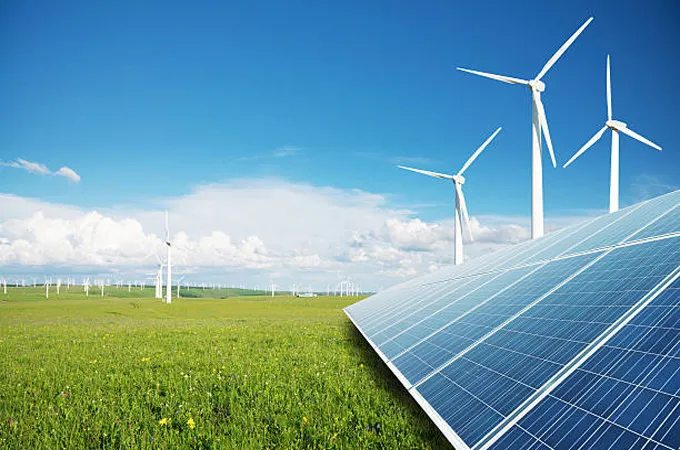
In contrast, the power sector is expected to decarbonise rapidly, with emissions falling from 36 million tonnes today to just 2 million tonnes by 2050, primarily due to the expansion of renewable energy.
Carbon capture and storage (CCS) will play a targeted but limited role, particularly in hard-to-abate industries such as cement and refining.
DNV estimates that around 6 million tonnes of carbon could be captured annually from 2035 onward.
A major finding is the scale of infrastructure transformation required. Electricity demand is projected to more than double by 2050, driven by electrification across transport, heating, industry, hydrogen production, and new energy-intensive sectors like data centres.
This surge will put significant pressure on Spain’s power grid, especially distribution networks, which risk capacity constraints without accelerated investment.
To maintain system reliability, the report highlights the urgent need for grid expansion, stronger interconnections, and enhanced flexibility solutions.
Energy storage technologies—including lithium-ion batteries, pumped hydro, and vehicle-to-grid systems—will be essential to balance variable renewable generation from wind and solar.
Finally, DNV identifies social acceptance as a growing challenge. Public resistance to renewable and infrastructure projects could delay deployment unless addressed through early engagement, transparent communication, and fair distribution of benefits.
Brice Le Gallo, Vice President and Regional Director for Energy Systems in Southern Europe, Middle East, Africa and Latin America at DNV, said: “Spain has a strong foundation for a faster and deeper energy transition, but closing the gap to achieve the national targets will require decisive action. Electrification of transport, heating and industry must accelerate, while investments in grid capacity, storage and permitting reforms are essential to unlock the next wave of renewable growth. Our analysis shows that renewables can deliver the majority of Spain’s decarbonisation needs, provided the supporting infrastructure evolves at the same pace.”
Carlos Albero, Market Area Manager, Iberia, Energy Systems at DNV said “DNV concludes that while net zero by 2050 is not achievable under any realistic scenario, Spain can still make major progress if it accelerates deployment of renewables, strengthens market design for revenue stability, speeds up permitting, electrifies end use sectors, and advances carbon capture where feasible.”