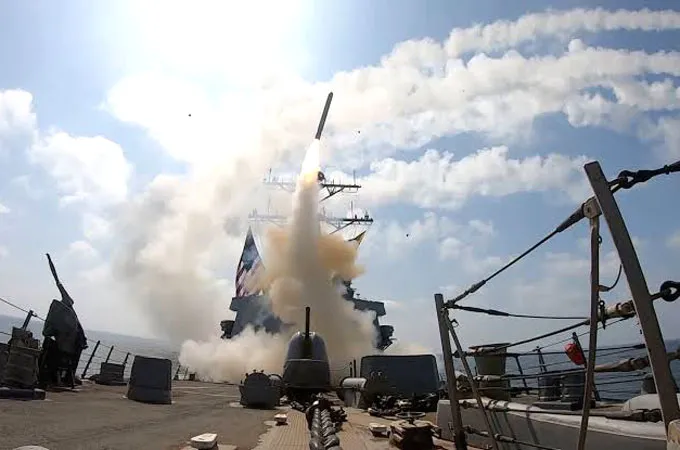
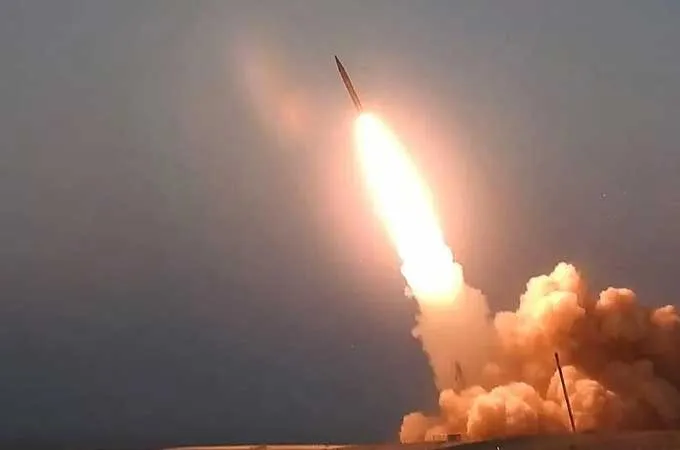
Global anxiety intensified on Tuesday as the fragile two-week ceasefire in the US-Israeli war with Iran neared its deadline, with the language of diplomacy colliding sharply with that of escalation. Prospects of last-ditch peace talks, fresh US military threats and a dramatic move against an Iranian oil tanker all fed into a volatile mix that left markets and policymakers bracing for a possible return to conflict.
US President Donald Trump signalled a hardening stance, saying he was disinclined to extend the rapidly expiring truce and warning that military action remained firmly on the table. “I don’t want to do that. We don’t have that much time,” he said, adding that he expected “to be bombing” if negotiations failed, while stressing that the U.S. military was “raring to go.”
His remarks came shortly after the U.S. military confirmed it had boarded a large Iranian oil tanker in international waters — the first such action targeting Tehran’s crude exports.
The US military said it had boarded the tanker Tifani "without incident". The ship, capable of carrying 2 million barrels of crude, last reported its position on Tuesday morning as near Sri Lanka in the Indian Ocean, according to MarineTraffic tracking data. It was close to fully loaded and had signalled Singapore as its destination.
"As we have made clear, we will pursue global maritime enforcement efforts to disrupt illicit networks and interdict sanctioned vessels providing material support to Iran - anywhere they operate," US Central Command said.
There was no immediate comment from Iran on the boarding, but the move could complicate efforts to arrange peace talks: Iran has said the blockade of its ports amounts to a US violation of the truce, and that it will not negotiate while the blockade is being enforced.
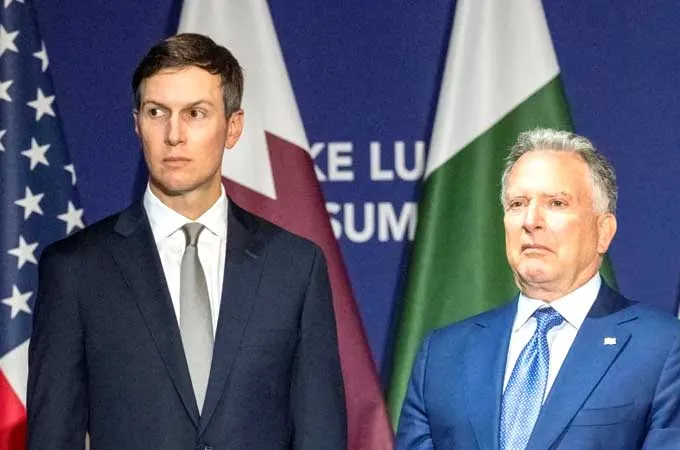
Despite the escalation, Washington has expressed confidence that last-minute negotiations could still take place in Pakistan. Vice President JD Vance and senior U.S. officials are expected to travel for a potential second round of talks, even as time runs out on the truce. An Iranian official indicated Tehran was considering participation, though public messaging from both sides remains sharply at odds.
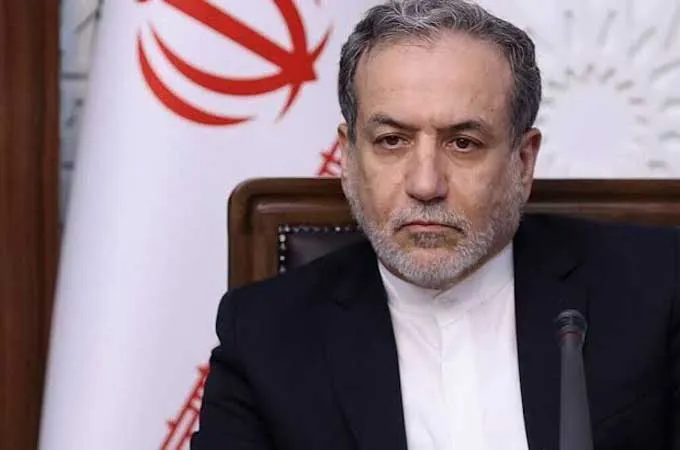
Tehran, for its part, struck a defiant tone. Government spokesperson Fatemeh Mohajerani warned that while Iran does not seek renewed conflict, it would respond “more firmly than before” to any fresh attacks.
The maritime dimension has further raised stakes. The Pentagon said the intercepted vessel had been sanctioned for transporting Iranian oil, while the move followed Iran’s demand for the release of another cargo ship seized by the U.S. Navy days earlier — a demand accompanied by threats of retaliation.
With the ceasefire clock ticking down to its final hours, the convergence of military posturing, economic pressure and uncertain diplomacy has left the situation finely balanced — and the risk of a renewed confrontation looming large.
Iranian sources told Reuters Tehran still had not made a firm decision on whether to attend another round of peace talks in Islamabad, aimed at ending the war that the US and Israel unleashed on Iran on February 28.
Pakistani officials said that if the delegations do attend, they will not arrive until Wednesday, leaving just hours to reach a deal before the two-week truce expires.
A first session of talks 10 days ago produced no agreement and Tehran had been ruling out a second round this week after the US refused to end its blockade and seized an Iranian cargo ship.