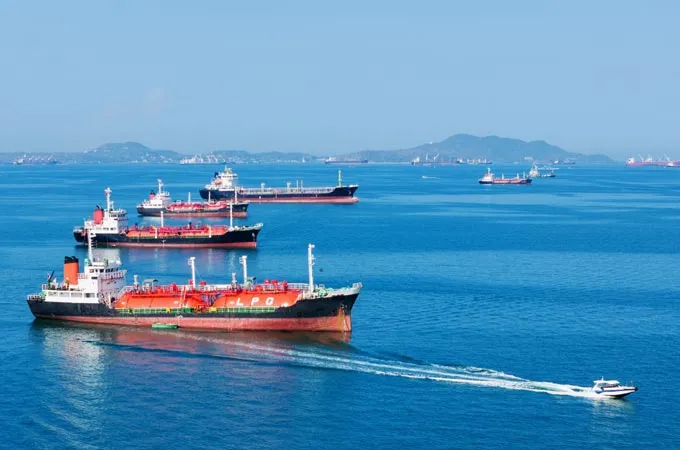
A Qatari liquefied natural gas (LNG) tanker was sailing toward the Strait of Hormuz on Saturday in what would be the first such transit since the outbreak of the US-Israel- Iran war, even as uncertainty persisted over peace efforts with Washington still awaiting Tehran's response to a proposal.
Shipping data from the London Stock Exchange Group (LSEG) showed the vessel heading through the strategically vital waterway en route to Pakistan, said a Reuters report.
Sources familiar with the matter said Iran had approved the voyage as a confidence-building measure involving Qatar and Pakistan, both of which have played mediating roles during the conflict.
If completed, the passage would mark an important sign of easing tensions in the Strait of Hormuz, through which about one-fifth of the world's oil and LNG supplies transit.
Earlier, Bloomberg reported that Saudi Aramco and Abu Dhabi National Oil Company moved limited crude cargoes through the Strait of Hormuz despite ongoing threats and shipping disruptions tied to the Iran conflict.
According to tanker-tracking data compiled by Bloomberg, non-Iranian crude exports through Hormuz have averaged roughly 500,000 bpd since the beginning of March, compared to about 13.6 MMbpd during the two months before the conflict escalated.
Despite the shipping breakthrough, there was no visible movement on the diplomatic front.
US Secretary of State Marco Rubio said on Friday that Washington expected Iran to respond within hours to a US proposal that would formally end the war before opening negotiations on broader issues, including Tehran's nuclear programme. But by Saturday evening, Iran had yet to publicly deliver its response, which had been expected earlier in the day.
Rubio met Qatari Prime Minister and Foreign Minister Mohammed bin Abdulrahman Al Thani in Miami on Saturday, where they discussed the need to continue working together "to deter threats and promote stability and security across the Middle East," according to US State Department spokesperson Tommy Pigott.