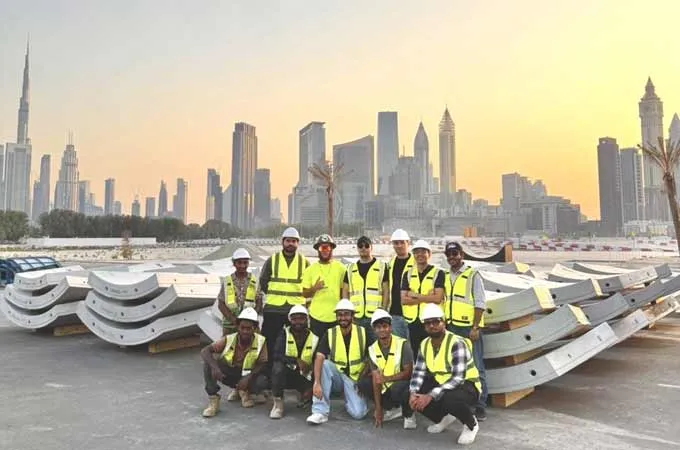
Construction of the first phase of the Dubai Loop has officially moved into execution with the start of production of thousands of precast concrete tunnel segments that will form the underground transport system's lining, marking a major milestone for the high-profile project.
The project is being developed by Elon Musk's The Boring Company (TBC) in partnership with Dubai's Roads and Transport Authority (RTA).
The first phase of the project will require around 25,000 precast concrete segments, each weighing approximately 1,800 kg, with the total concrete tunnel lining weighing about 45,000 tonnes, according to The Boring Company's post in X platform.
The announcement signals that work on the underground transport network is now underway, following the signing of the implementation agreement between Dubai's RTA and The Boring Company earlier this year.
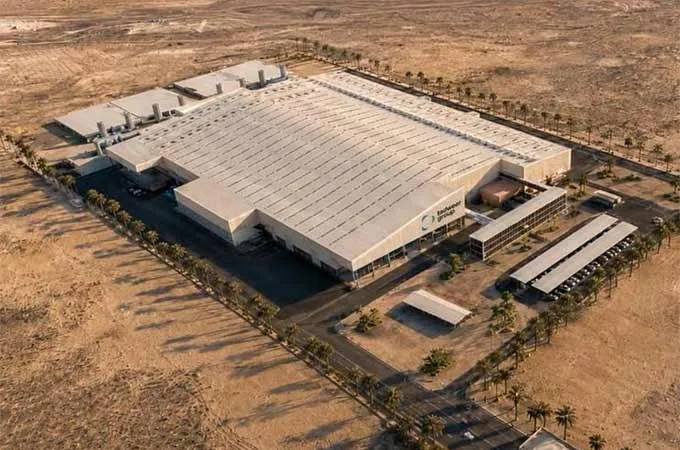
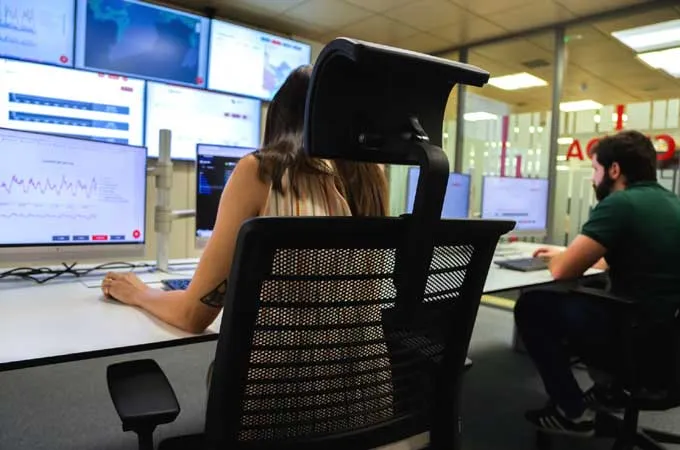
TBC said the tunnel segments are being manufactured at its Dubai precast concrete facility, while its Prufrock tunnel boring machines simultaneously excavate tunnels and install the concrete lining, significantly accelerating construction. The company added that its tunnel boring operations, whether in Las Vegas or Dubai, are remotely monitored and controlled from its Operations Center in Bastrop, Texas.
"This allows us to deliver more tunnel miles each year in the battle against soul-destroying traffic," the company said.
The first phase of Dubai Loop will extend approximately 6.4 km and feature four stations linking Dubai International Financial Centre (DIFC), ICD Brookfield Place, Za'abeel Dubai Mall Parking and Burj Khalifa/Dubai Mall. Once operational, the route is expected to reduce travel time between DIFC and Dubai Mall from around 20 minutes to about three minutes.
The initial phase is estimated to cost around AED600 million (US$163 million) and is expected to be completed in about two years.
Express transport concept
Unlike conventional metro systems, Loop is designed as an underground express transport network in which passengers travel directly to their destination without stopping at intermediate stations.
According to The Boring Company, the system functions more like an underground highway than a subway, with electric vehicles capable of travelling at speeds of up to 240 km/h, compared with about 105 km/h for conventional metro trains.
The design also allows stations to occupy a much smaller footprint—potentially as little as the size of two parking spaces—making them easier to integrate into dense urban areas, parking structures and residential communities while helping distribute passenger traffic more efficiently.
Safety features
The company said the system has been designed with multiple safety measures, including emergency exits, fire detection and suppression systems, redundant bidirectional ventilation, and dedicated communication systems for emergency responders.
The Loop vehicles, based on Tesla's electric vehicle platform, eliminate hazards associated with traditional rail systems such as high-voltage third rails, while the tunnel infrastructure is designed to facilitate safe evacuation in the unlikely event of an emergency.
The full Dubai Loop network is planned to extend approximately 24 km with 19 stations, creating a high-speed underground mobility corridor that will complement Dubai's expanding public transport network. - TradeArabia News Service