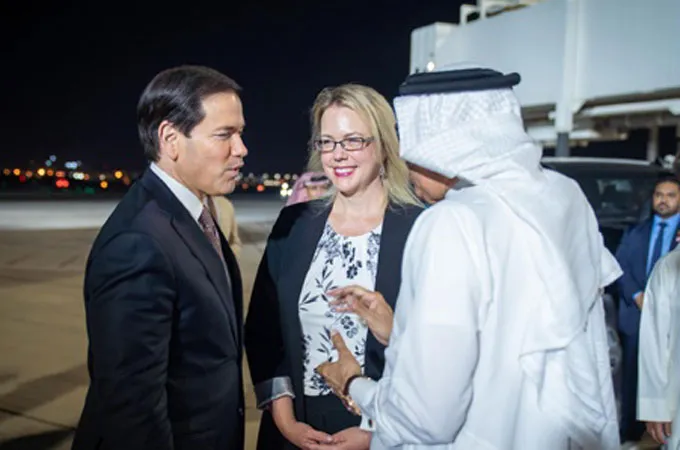
The prospects for renewed US-Iran diplomacy remained uncertain on Tuesday, with Tehran denying any plans for high-level negotiations even as US President Donald Trump's special envoy Steve Witkoff and son-in-law Jared Kushner met Qatar's Prime Minister Sheikh Mohammed bin Abdulrahman bin Jassim Al Thani in Doha to discuss the ongoing negotiations and regional security.
Qatar's Foreign Ministry said the meeting reviewed developments in the US-Iran negotiations and efforts to bolster regional stability through dialogue. However, it stressed that while technical discussions between Washington and Tehran are continuing, there are currently no high-level meetings scheduled. Iran has also maintained that key issues surrounding the ceasefire reached two weeks ago must be resolved before negotiations can move on to more contentious subjects such as its nuclear programme.
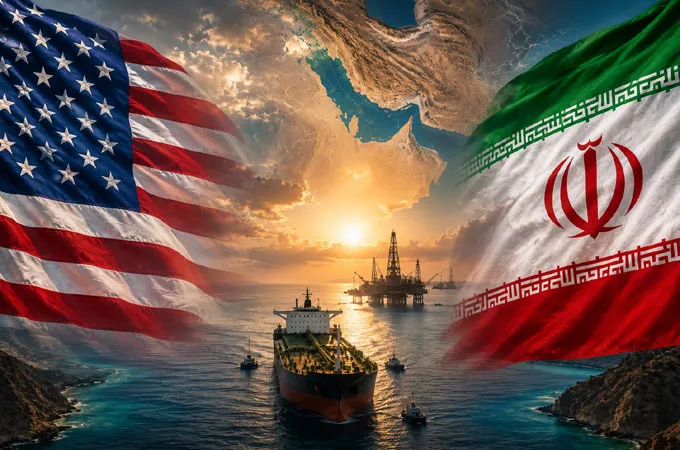
Meanwhile, a new proposal on the future administration of the Strait of Hormuz has emerged as another key issue in the negotiations. According to CNN, Oman has submitted a proposal to the US and other allies outlining possible arrangements for managing the strategically vital waterway. The report said one option under discussion would see shipping companies pay service fees for using the strait, although Omani officials have insisted the proposal does not amount to mandatory tolls.
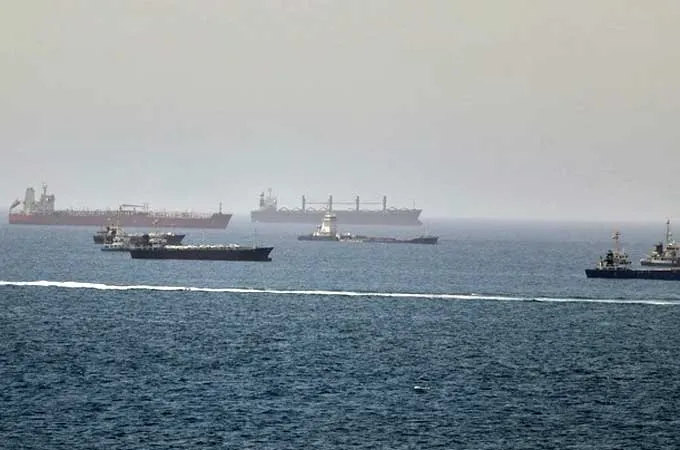
The development comes as the Joint Maritime Information Center has raised the security threat level for the Strait of Hormuz to "substantial", citing the continued risk of sea mines and mine-clearance operations despite commercial shipping continuing largely uninterrupted.
MarineTraffic data showed at least 32 vessels transited the Strait of Hormuz over the past 24 hours, including 17 entering the Gulf and 15 departing. While traffic remains below pre-conflict levels of around 110 vessels a day, energy flows have continued, with Iran exporting an estimated 50 million barrels of crude since the US-imposed blockade was lifted two weeks ago, according to TankerTrackers.
The diplomatic backdrop remains fragile. Reuters reported that Iranian officials insist implementation of the ceasefire must take priority before broader negotiations resume, while the Wall Street Journal reported that President Trump has discussed possible military options with senior defence officials should diplomacy fail. The newspaper said Trump has nevertheless opted, for now, to give negotiations more time. Reuters said it could not independently verify the report.
Separate technical talks between US and Iranian delegations are expected to take place in Doha on Wednesday through Qatari and Pakistani mediators. Iran's Foreign Ministry said discussions will focus on implementing the existing agreement with Washington as well as the release of Tehran's frozen assets.