Aquaterra Energy and James Fisher have formed a global strategic partnership to improve the delivery of offshore decommissioning projects.
The collaboration will provide operators with an integrated
approach combining Aquaterra Energy’s well access and engineering expertise
with James Fisher’s subsea and offshore execution capabilities.
The partnership aims to reduce project interfaces, improve
efficiency and provide greater certainty from planning through execution.
Initial focus areas include the North Sea, Asia-Pacific and
the Middle East, where growing numbers of offshore wells and structures require
abandonment and removal.
The companies will work on a project-by-project basis, using
coordinated teams and cross-trained crews to reduce offshore personnel
requirements and operational risks.
The partnership comes amid rising global demand for more
efficient decommissioning solutions, with thousands of offshore structures
expected to require removal in the coming decades.
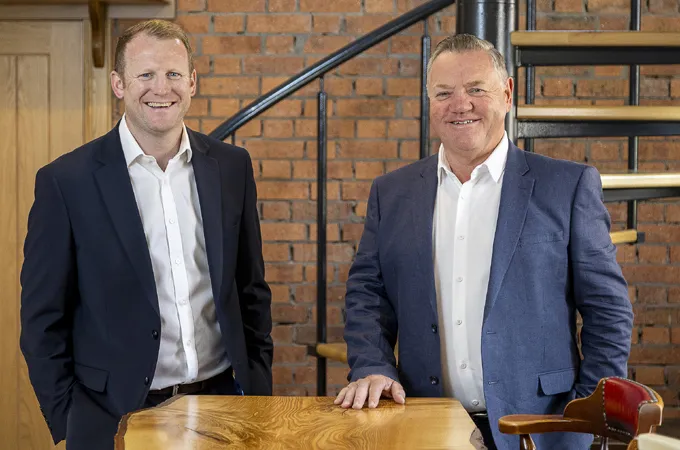
Matt
Marcantonio, Head of Engineering at Aquaterra Energy, said:
“Decommissioning programmes are increasingly moving away from simple,
isolated scopes. The next generation of projects will require tight engineering
control, early integration and the ability to adapt quickly as conditions
change. By aligning our expertise with James Fisher from the outset, we can
shape more efficient scopes, prevent downstream redesign and ultimately
reduce offshore duration. We see this as a way to give operators the
confidence to take on decommissioning programmes that are becoming more
technically demanding and commercially pressured, while keeping the agility
needed to respond as projects evolve.”
Mark
Stephen, Product Line Director - Decommissioning & CFE at James Fisher
Energy, commented: “What operators are looking for now is delivery confidence,
predictable execution, fewer interfaces and teams who already understand
how to work together. By combining our subsea operations capability with
Aquaterra Energy’s early engineering and well access expertise, we can
remove many of the common friction points that slow projects down
offshore. This model gives operators a scalable, field-proven approach that
directly supports safer, more efficient execution as global decommissioning
activity accelerates.” -OGN/TradeArabia News Service