The United States launched a second consecutive day of major military strikes against Iran on Tuesday, targeting about 90 military sites along its coastline, as Tehran retaliated by firing missiles and drones at US military facilities in Bahrain and Kuwait, sharply escalating tensions across the Gulf.
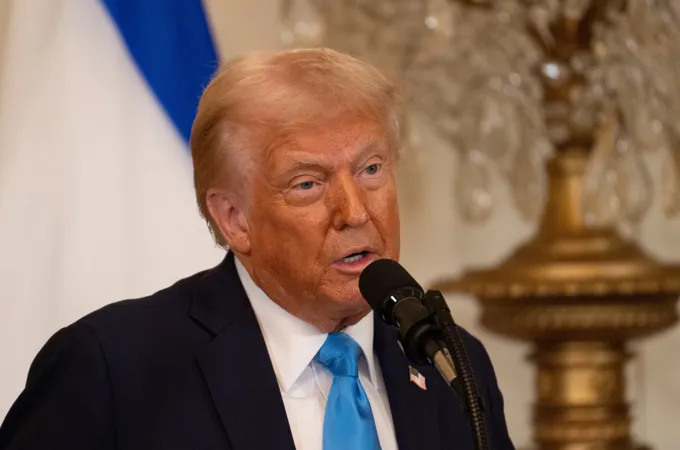
The latest exchange of attacks further undermined hopes of reviving a US-Iran peace agreement, with President Donald Trump declaring the interim ceasefire effectively "over" and warning that US military action would intensify if Iran continued attacking commercial shipping in the Strait of Hormuz.
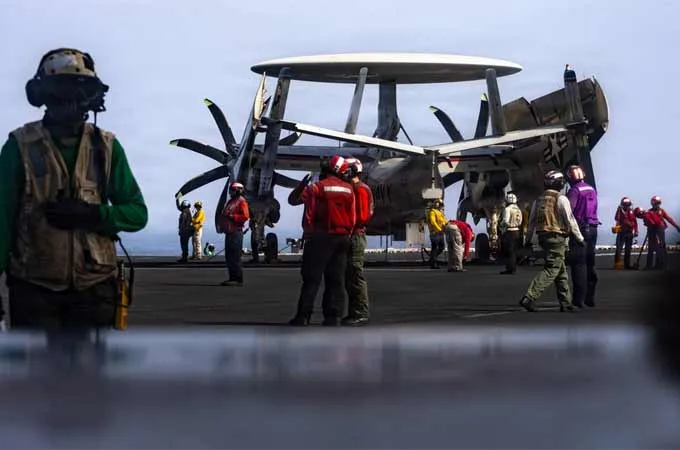
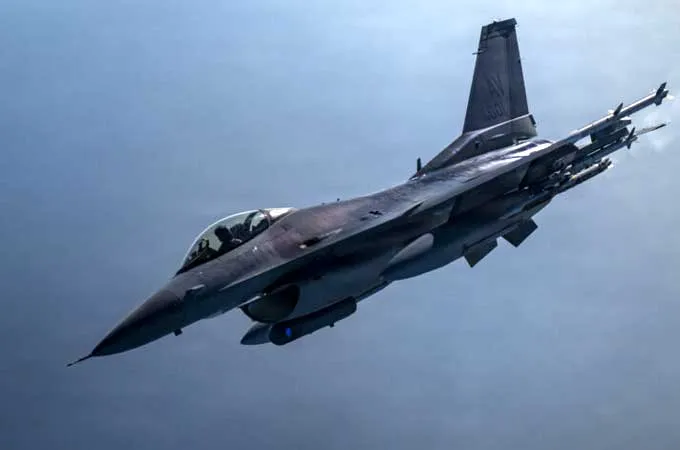
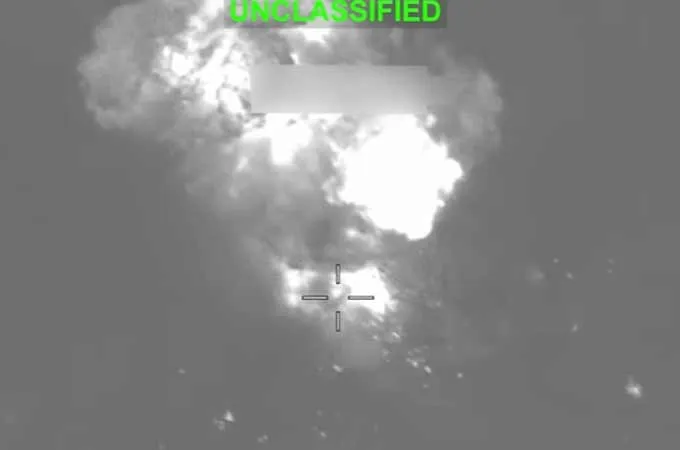
According to US Central Command (CENTCOM), American forces struck about 90 Iranian military targets, including air defence systems, coastal surveillance assets, missile and drone storage facilities, naval capabilities and military logistics infrastructure.
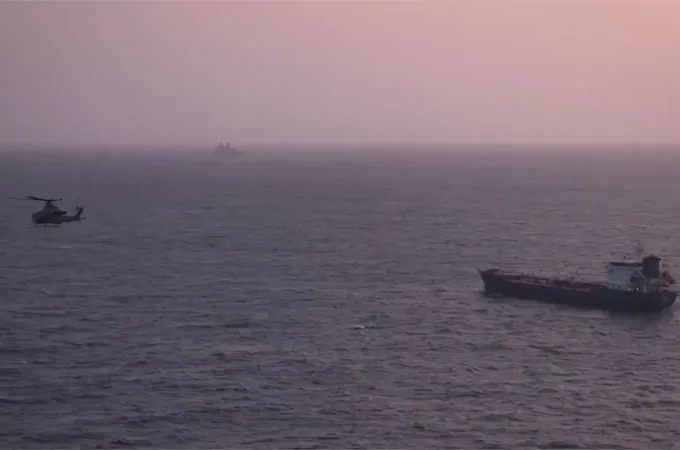
CENTCOM said the operation was aimed at "further degrading Iran's ability to attack commercial shipping and innocent civilian mariners in the Strait of Hormuz," following another wave of strikes a day earlier that hit around 80 targets, including more than 60 Islamic Revolutionary Guard Corps (IRGC) fast attack boats.
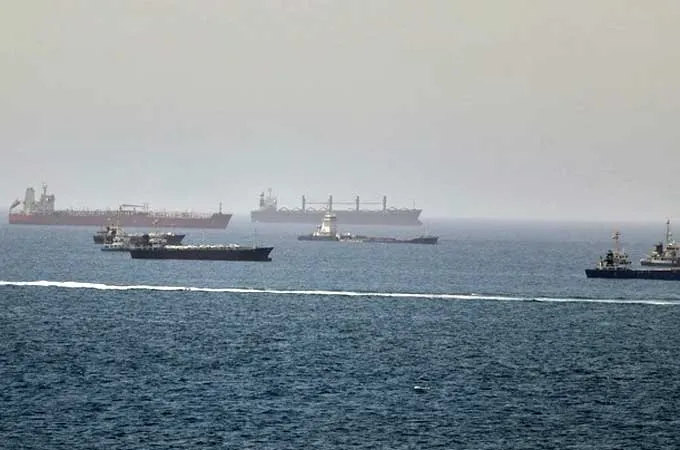
The latest US strikes came after Iran allegedly attacked commercial vessels transiting the Strait of Hormuz despite an earlier ceasefire understanding. A US official said Trump's decision to order the renewed military campaign was driven by frustration that the strategic waterway had not been reopened and by Iran's attacks on shipping while he was attending the NATO summit.
Explosions were reported in several Iranian coastal cities, including Bushehr, Bandar Abbas and Sirik. Iranian media also reported that a US missile struck a railway bridge at Aqqala in northern Iran near the Turkmenistan border, marking one of the few reported attacks on critical transport infrastructure during the latest hostilities.
Iran responded by launching what the Islamic Revolutionary Guard Corps described as a joint missile and drone assault on US military installations in Bahrain and Kuwait. There was no immediate confirmation from US authorities on the extent of any damage or casualties.
The exchange of attacks was accompanied by increasingly hostile rhetoric from both sides.
Trump warned that US strikes would "get much worse" if Tehran continued attacking shipping in the Strait of Hormuz, saying he believed the ceasefire agreement was no longer in effect.
Iran, however, insisted it would continue responding to military action. Parliament Speaker Mohammad Baqer Qalibaf said the Strait of Hormuz would only reopen under "Iranian arrangements," not under US pressure, while Iran's chief negotiator said Tehran would retaliate against further attacks and rejected what he described as American threats.
The renewed fighting has heightened concerns over the security of the Strait of Hormuz, through which roughly a fifth of the world's seaborne oil passes, raising fears of further disruption to global energy supplies and shipping if the conflict continues to escalate.