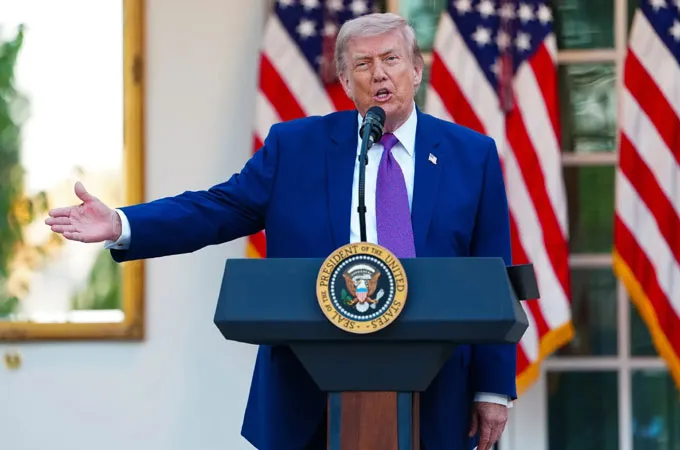
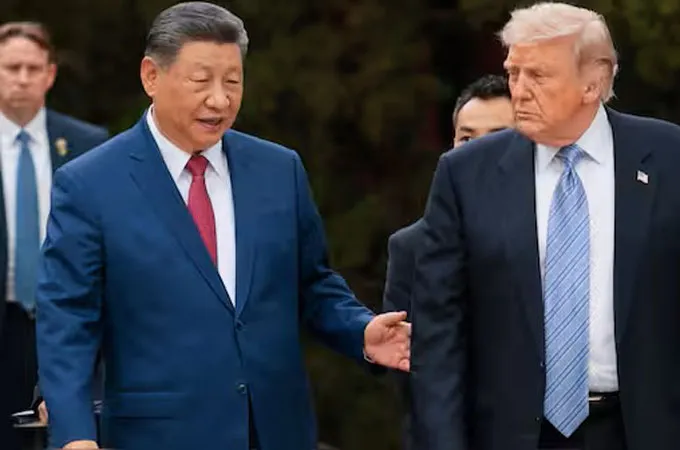
US President Donald Trump on Tuesday abandoned a proposal to impose a 20% transit fee on cargo shipping through the Strait of Hormuz, saying Washington would instead pursue trade and investment agreements with Gulf states amid escalating tensions with Iran.
Trump's decision came a day after he floated the fee following Tehran's announcement that it had closed the strategic waterway, a move that heightened concerns over global energy supplies and shipping through one of the world's busiest oil transit routes, reported Reuters.
The announcement coincided with continued US military operations against Iranian targets.
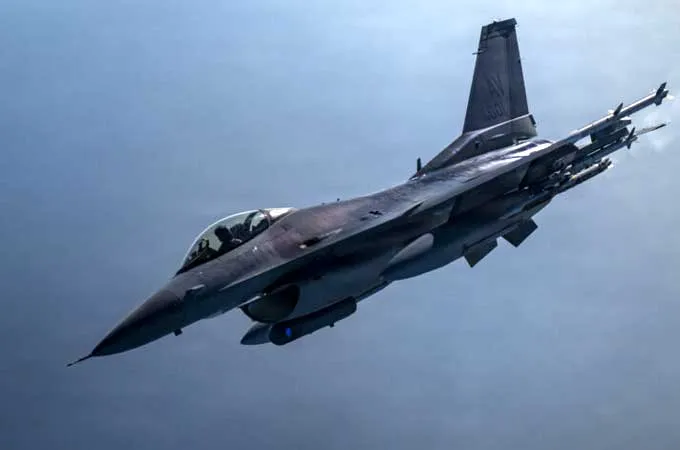
US Central Command (CENTCOM) said its forces had launched another round of strikes aimed at degrading Iran's capabilities to attack commercial shipping in the Strait of Hormuz. The operations marked the fourth consecutive night of US strikes, according to military statements.
Iran responded with strikes on a US Army base in Jordan with ballistic missiles, while Bahrain, which hosts a US naval base, said it had fended off an Iranian aerial attack and other Gulf states also came under fire, said media reports.
The UAE said an Indian crew member had been killed and eight others wounded when two Emirati oil tankers were struck by Iranian cruise missiles.
Meanwhile, a US projectile exploded near a water and electricity facility on Iran's Kish Island, the country's semi-official Tasnim news agency said. State media also reported an explosion in Andimeshk in southern Khuzestan province, but later said it was a controlled explosion and not an attack.
Jordan said it had shot down four ballistic missiles and explosions were heard in Manama, Bahrain's capital.
In the early evening, Kuwait said its armed forces were engaging with "hostile" aerial targets, and the state news agency said sirens had sounded in the country. Bahrain's Interior Ministry also said sirens had been sounded.
Renewed attacks since last week have increased doubts that a memorandum of understanding signed last month would lead to a permanent halt in the war, which has disrupted global energy supplies and stoked inflation fears globally.
The move to impose US fees had drawn sharp criticism. The UN shipping agency said it opposed any fees for straits used in international navigation and that there was no legal basis for introducing mandatory tolls on strait transits.
A little under five hours before a US naval blockade of all Iranian ports and Iranian coastal areas was due to come into effect at 2000 GMT, Trump said the strait was open to all shipping traffic except that of Iran.
Trump said the toll would be replaced by "massive" trade and investment deals with Gulf states, just hours before the US resumed its blockade of Iranian ports, reported BBC.
"Based on highly productive conversations with Middle East leadership, I have decided to replace the 20% United States Reimbursement Fee with Trade and Investment Deals that the various Gulf States will be making into the United States," he said in a post on Truth Social.
Iranian Deputy Foreign Minister Kazem Gharibabadi said Washington's decision to reinstate its blockade of Iranian ports had undermined the agreement, according to Iranian state media.
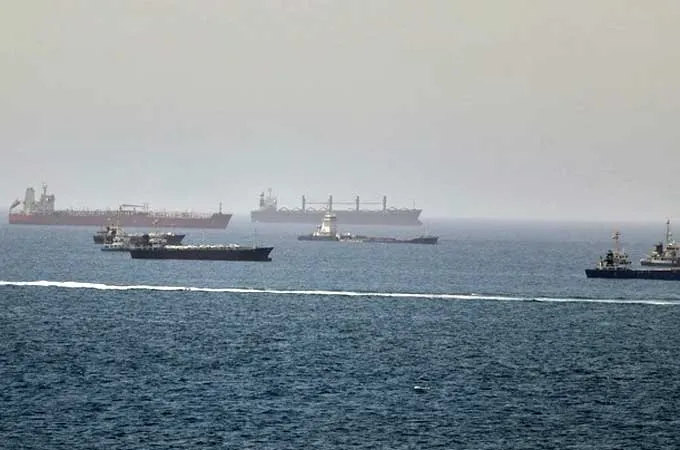
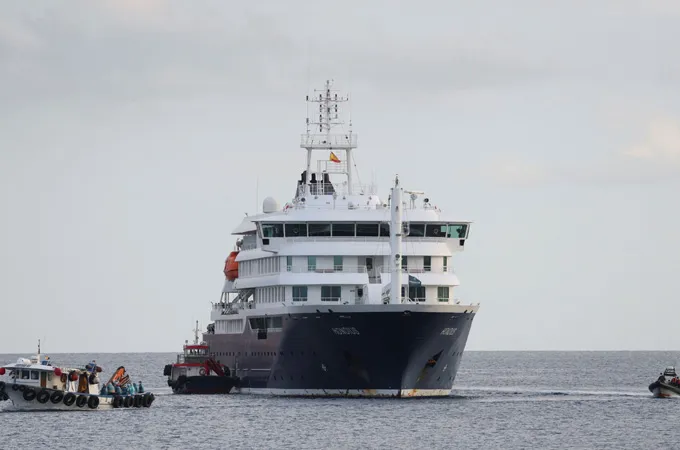
Shipping through the Strait of Hormuz has slowed sharply in recent days, according to maritime tracking data, while Brent crude prices have climbed as markets assessed the potential impact of prolonged disruptions to global oil flows.
The Strait of Hormuz carries roughly a fifth of the world's seaborne oil exports, making any disruption to traffic through the waterway a major concern for energy markets and policymakers.
Analysts said the latest escalation has revived concerns that higher oil prices could fuel inflation and weigh on global economic growth, although many believe both Washington and Tehran are seeking to avoid a broader regional conflict while preserving leverage for future negotiations.
Meanwhile, shipping data shows traffic through the strait has slowed to a two-months low. The benchmark Brent Crude oil price has also risen sharply.
There's a recurring theme when it comes to the rate of price rises in the US, and it has something to do with why you're reading this post in an Iran war blog, reported Sky News.
In the past few months, US inflation has risen due to the war: oil and gas prices have increased, and supply chains have been disrupted, pushing overall costs up.
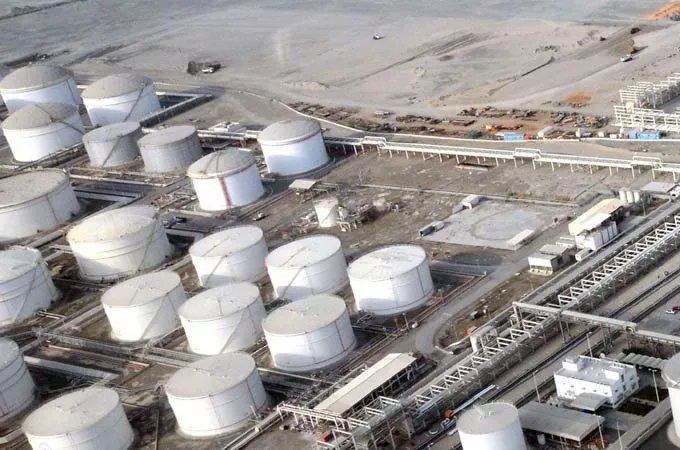
Strikes on infrastructure hampered fossil fuel production, and the effective closure of the Strait of Hormuz meant some producers had to shut down as storage facilities filled and oil and gas couldn't be shipped out.