Bawan Engineering Group (UTEC), an energy and infrastructure solutions provider, believes that long-term readiness is built through deliberate strategy, workforce capability, and governance aligned with consistent execution.
This view places emphasis on sustained organisational development, encouraging companies to strengthen internal foundations while responding to evolving external conditions.
From this standpoint, the broader environment in which organisations operate becomes an essential part of the discussion.
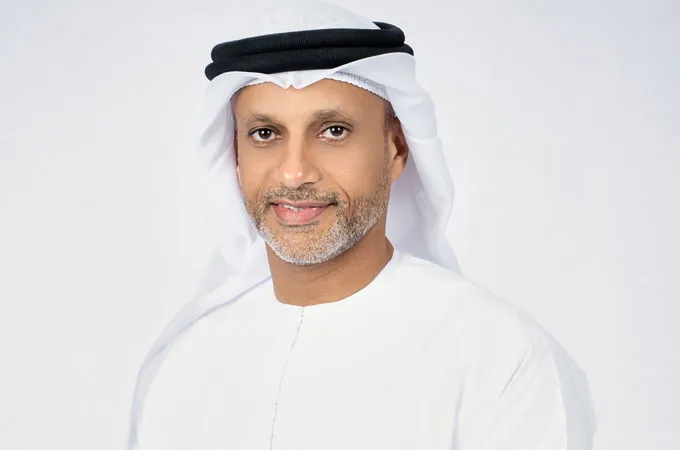
“Saudi Arabia’s economy is reshaping itself under Vision 2030, and that shift is happening in step with a world that’s reinventing energy, accelerating digital life, and rethinking how supply chains work. It’s a complex moment, but also a defining one,” UTEC CEO Wael Gad states.
A progress report notes that 57% of Vision 2030’s key performance indicators are on track or ahead, while others continue to advance at different speeds, reflecting the scale and complexity of the programme.
Within this broader context, Gad notes that organisations increasingly examine how prepared they are to operate through extended periods of transition, where maintaining continuity and adapting to change both play important roles. These conditions, in turn, may influence how infrastructure providers position their capabilities.
Aligning with Kingdom's requirements
As these dynamics begin to influence infrastructure demand, UTEC’s trajectory seems to align with the Kingdom’s evolving requirements. The company’s evolution from a transformer-focused manufacturer into a broader energy infrastructure provider suggests an expansion shaped by both market demand and internal capability building.
According to Gad, its portfolio spans renewable energy applications, modular data centers, and smart grid technologies, areas that correspond with the Kingdom’s growing focus on digital infrastructure and diversified energy systems.
Through this progression, technical depth and portfolio range develop together, allowing organisations to engage with multiple layers of infrastructure development in a coordinated manner. This evolution also informs how leadership interprets ongoing transformation.
Importance of consistent delivery
Gad highlights that progress involves both technical systems and organisational structures. “Enduring progress comes from aligning intent with execution in a way that people can sustain,” he explains. His perspective extends the discussion beyond physical infrastructure, pointing to the importance of frameworks that support consistent delivery over time. This connection between systems and structure becomes even more apparent when examined alongside industry research.
A study on digital transformation and supply chain resilience shows that technologies such as IoT, artificial intelligence, and data analytics contribute to more adaptive operational environments. When integrated with a defined purpose, these tools can support both efficiency and resilience, particularly in sectors facing shifting demand patterns and evolving regulatory requirements.
“For companies across Saudi Arabia’s manufacturing and infrastructure sectors, the link between digital strength and keeping operations running smoothly is reshaping how they plan for the long haul,” Gad remarks.
Staying ahead with technology
“In many ways, technology has become part of the broader system that helps organisations stay steady through change, making it clear that these tools need to be woven into everyday work.”
Building on these insights, UTEC integrates future readiness into its daily operations. Its expansion into smart transformers, high-, medium-, and low-voltage systems, e-houses, and prefabricated data infrastructure reflects an understanding that energy and digital systems increasingly function side by side. These developments are complemented by lifecycle services, including predictive maintenance, online monitoring, and system upgrades, which can help sustain performance over time.
As technical capabilities expand, the role of the workforce becomes more prominent in supporting long-term resilience. UTEC’s investment in training, cross-disciplinary exposure, and internal development programs reflects a belief that human capability evolves alongside technological advancement. This alignment supports continuity across projects and helps preserve institutional knowledge. Alongside workforce development, governance structures provide an additional layer of support for consistent execution.
Structured decision-making
Governance, as Gad notes, can influence how organisations respond to ongoing change by establishing structured decision-making processes, clear accountability, and consistent feedback mechanisms. These elements may contribute to reliable execution, particularly when multiple projects and stakeholders intersect. UTEC’s operating model incorporates these principles into its broader strategy, linking long-term objectives with day-to-day operations. This integration supports continuity while enabling organisations to expand their activities over time.
Periods of expansion can create opportunities to embed these principles more deeply into organisational practices.
According to Gad, decisions made in such phases may influence how effectively companies respond to future uncertainty. He says: “The conditions created during growth often determine how well an organization responds when circumstances evolve.” This way of thinking also informs how organizations engage with broader market developments.
As new technologies and business models emerge, UTEC focuses on building capabilities that remain relevant across different conditions. This includes maintaining engineering rigor, introducing and modernizing work systems and tools, investing in workforce development, and refining governance structures that support adaptability. Through this lens, organizations can participate in transformation while maintaining continuity in their operations.
Saudi Arabia’s ongoing economic development provides a backdrop where these considerations continue to evolve. Gad stresses that infrastructure projects, energy diversification efforts, and digital expansion contribute to an environment where organizations regularly reassess their role and readiness. UTEC’s experience within this landscape illustrates how companies can align technical advancement with organisational development, creating a foundation that supports both immediate delivery and long-term progress. -TradeArabia News Service