Healthcare technology startups across the GCC attracted $148 million in disclosed investment between January 2025 and July 2026, according to PitchBook data
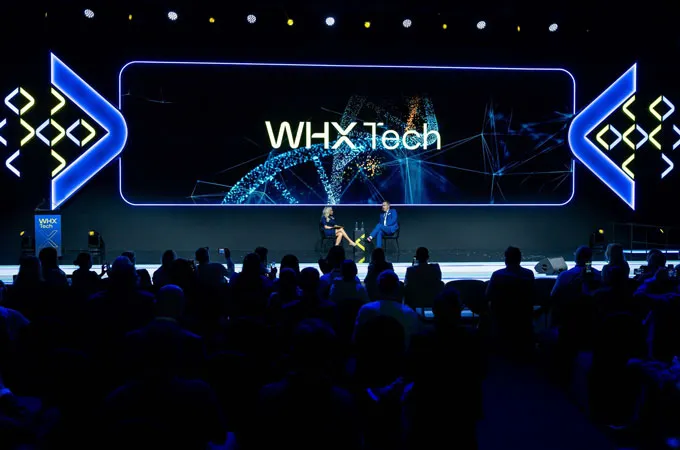
These investment trends and the opportunities shaping the next phase of regional healthtech growth will be a key focus at WHX Tech, the dedicated digital health and healthcare technology event taking place from January 26 to 28, 2027 at Dubai World Trade Centre. Bringing together startups, investors, healthcare leaders and technology companies, the event will focus on bringing innovation to life across data & AI, cybersecurity, connected care applications and digital health services.
Deal activity
According to PitchBook data, 32 healthtech companies secured funding across five GCC markets, with Saudi Arabia leading the region in both deal volume and capital raised, accounting for 17 of the 32 funded companies, followed by the UAE with 11. Deal activity has also remained steady in 2026, with 21 transactions closing in 2025 and a further 11 in the first half of 2026, with investment around areas including digital health, telehealth, women’s health and AI-driven diagnostics.
WHX Tech’s startup and investment focus is highlighted by two show features: the Investor Programme and the Xcelerate Startup Competition, taking place on the Xcelerate Stage, which are designed to connect emerging health-tech businesses with the capital, expertise and industry relationships required to scale. Tugce Ergul, Founding Partner of Hypernova Capital and member of the WHX Tech Investor Programme, believes the region is shifting in its approach to healthcare innovation.
“What excites me is that the GCC is starting to move from being a buyer of healthcare innovation to actually wanting to build it. Historically, healthcare investment in the region focused on hospitals, healthcare delivery, drug imports, or the introduction of existing Western business models into the Middle East. That’s changing quite quickly,” said Ergul.
Growing capabilities
Ergul points to growing capabilities in genomics, precision medicine, clinical research and health data in Abu Dhabi, alongside Saudi Arabia’s ambitions in vaccines, biologics manufacturing and pharmaceutical localisation. These developments are supported by access to long-term capital and increasingly connected governments, regulators, healthcare systems and research institutions.
“In biotech, that matters a lot. Capital alone doesn’t build an ecosystem. You need patients, data, labs, regulators, manufacturing and researchers around the same table. That’s why I think the GCC is becoming much more interesting scientifically, not just financially,” she added.
Investors are also increasingly focused on how AI can unlock new possibilities in biology. Rather than simply digitising existing healthcare processes, the opportunity is shifting in using technology to generate new biological insights, improve prediction and accelerate scientific discovery.
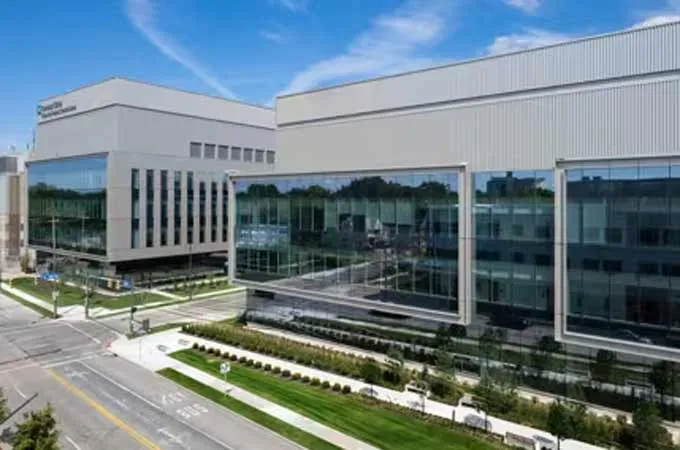
This emerging field will be represented through the WHX Tech Xcelerate Startup Competition, where participants will demonstrate how data and advanced technologies are being translated into clinical and commercial applications. Among them is Canadian digital health startup BioTwin, whose work with Cleveland Clinic Abu Dhabi pilots virtual human twin technology by creating unique patient profiles for breast cancer screening.
Clinical relevance
While advanced technology is important for attracting investment, healthtech companies must also demonstrate clinical relevance, regulatory readiness and a clear route to scale. The GCC offers founders faster access to institutional partners and opportunities to pilot technologies, but scaling across the region requires navigating diverse regulatory and cultural environments and building relationships with government, healthcare, and institutional stakeholders early on.
Danielle Brewin Graham, General Partner of Phoenix Fire Ventures, Co-Founder of The Firehood and WHX Tech advisory board member, said: “The region’s advantage is speed. Regulatory sandboxes and government-backed programmes let healthtech founders pilot with real institutional partners far faster than in North America, where pilots can take years to unlock. The opportunity is for founders who build solutions designed for rapid deployment across a young, digitally fluent, multi-market population spanning the GCC.”
Despite growing early-stage activity and government support, Brewin Graham believes that further development of the region’s investment ecosystem will be important for emerging companies to progress beyond their initial funding rounds.
“The biggest gap is usually mid-stage capital and mentorship density. There’s often strong early-stage enthusiasm and government support, but a thinner bench of experienced operators who’ve scaled a company through Series A and beyond and can mentor the next cohort. Platforms that import that operational experience, and pair it with local capital and government relationships, close that gap fastest,” she added.
Investment and startup development
At WHX Tech, the Investor Programme and Xcelerate Startup Competition will bring this focus on investment and startup development into the event programme, connecting investors with emerging healthtech companies and giving participating startups a platform to present their technologies and business models.
Lorena Diaz Palle, Event Director, WHX Tech, said: “The technology transforming healthcare is increasingly being developed at the intersection of different disciplines, from AI and biological data to diagnostics, digital platforms and connected care. WHX Tech is designed to put that technology in front of the people who can help take it further: investors, healthcare decision-makers, technology partners and policymakers. We want to demonstrate where technology is already addressing real healthcare challenges, while giving founders the connections they need to move from innovation to adoption and scale.”
WHX Tech 2027, which forms part of World Healthcare Week alongside WHX and WHX Leaders, brings together more than 5,000 digital health professionals, and over 200 brands, 200 speakers and participants from 30+ countries. For one week in January 2027, the three events will bring the healthcare industry together across two world-class venues in Dubai, connecting healthcare trade, digital health and leadership in one city, at one time.—TradeArabia News Service