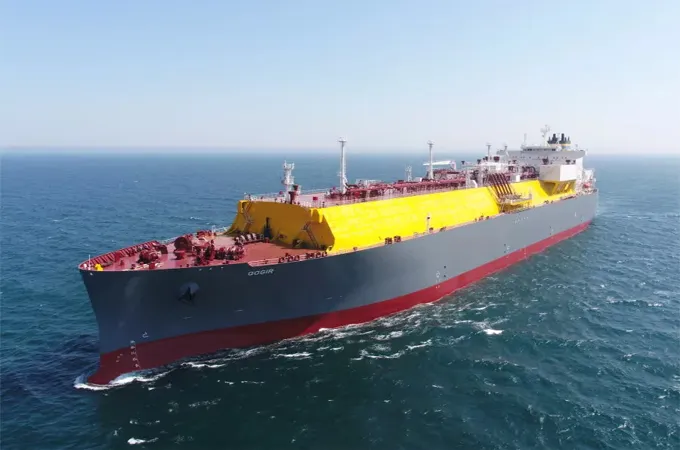
The International Energy Agency (IEA), International Energy Forum (IEF) and Organisation of the Petroleum Exporting Countries (OPEC) have convened a technical workshop to address challenges affecting maritime energy flows, shipping and insurance costs, and global market stability.
The online meeting,
titled the ‘Joint IEA-IEF-OPEC Technical Workshop on the Security of Energy
Flows: Maritime Routes and Market Stability’, brought together key stakeholders
and industry experts under the leadership of OPEC Secretary General Haitham Al
Ghais, IEA Executive Director Dr Fatih Birol and IEF Secretary General Jassim
Alshirawi.
The workshop follows a
request from ministers attending the Declaration of Cooperation (DoC)
consultation meeting in Riyadh on 12 October 2026, after IEF17. Ministers
highlighted the importance of maintaining uninterrupted energy flows, expressed
concern over rising shipping and insurance costs and called for continued
engagement with international partners to address these challenges.
The discussions build
on the trilateral cooperation programme between the three organisations and
shared priorities outlined in the IEF17 Ministerial Concluding Statement,
particularly the protection of energy infrastructure and international trade
routes.
Al Ghais said:
“Participants in the DoC remain fully committed to supporting the stability of
global energy markets. In this regard, our discussions will be vital to help
identify possible solutions to the challenges facing both producers and
consumers in relation to current maritime trade.“
He also highlighted
the growing financial burden of maritime transportation, noting that shipping
and insurance costs in 2026 had increased to more than one-third of the
underlying value of crude oil.
According to Al Ghais,
higher transportation and risk expenses have affected the entire oil and energy
value chains, placing additional pressure on producing and consuming economies
and contributing to global inflationary pressures.
Birol said: “Energy
markets are facing a crisis of unprecedented proportions, affecting the
production and transportation of the oil and gas on which the global economy
relies. While producers have worked hard to maintain supply, under extremely
difficult circumstances, we must all work to safeguard freedom of maritime
navigation, a central pillar of global energy security. That is why we are here
today, together with our colleagues from OPEC and the IEF, to help find durable
solutions to these challenges.”
Alshirawi said: “Safe
maritime passage is essential to energy security and market stability for
producers, consumers and transit countries alike. Disruption can raise energy,
food and transport costs far beyond the region affected, with the greatest hardship
falling on vulnerable communities. Building on IEF17, our cooperation with the
IEA and OPEC can strengthen the dialogue and data transparency needed to
restore confidence, support investment and build more resilient global energy
markets.”
The workshop underscores the three organisations’ commitment to strengthening international cooperation, improving market transparency and supporting secure and reliable energy trade amid growing challenges to maritime transportation and global supply chains. -OGN/TradeArabia News Service