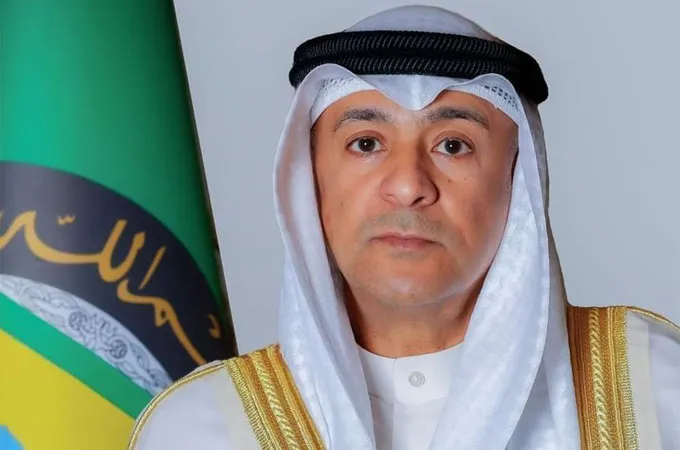
The GCC-EU Summit, which was scheduled to be held in Riyadh on October 24, has been rescheduled to a later date to be agreed upon by the GCC and European sides, said Jasem Mohamed Albudaiwi, GCC Secretary-General.
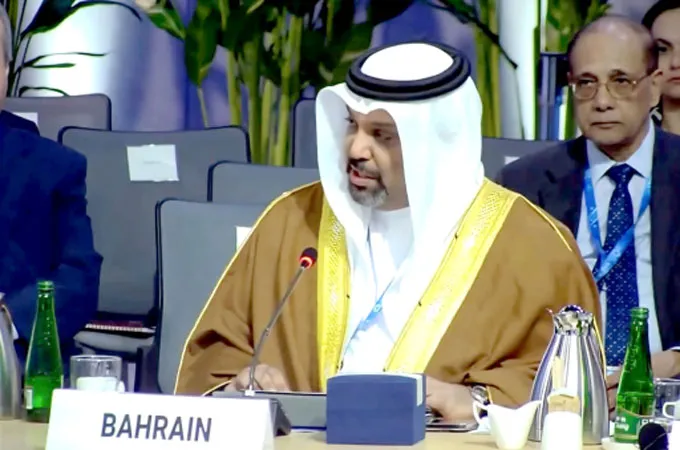
International co-operation and economic resilience remain key to overcoming global geopolitical and trade challenges, Finance and National Economy Minister Shaikh Salman bin Khalifa Al Khalifa has said.
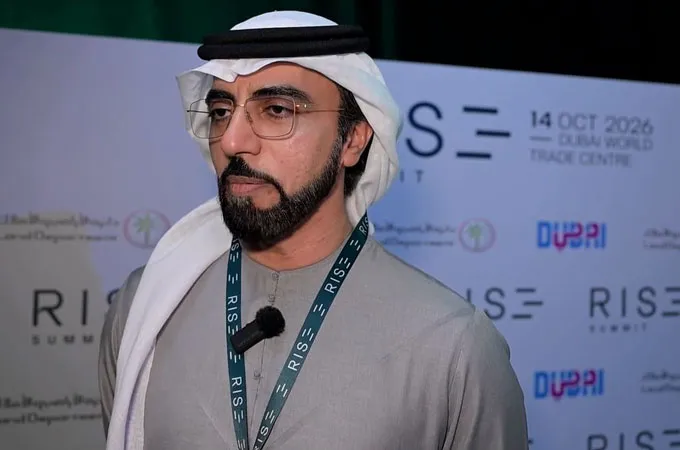
The UAE's advanced infrastructure, flexible regulatory environment and economic integration across its emirates are strengthening its appeal to international investors.
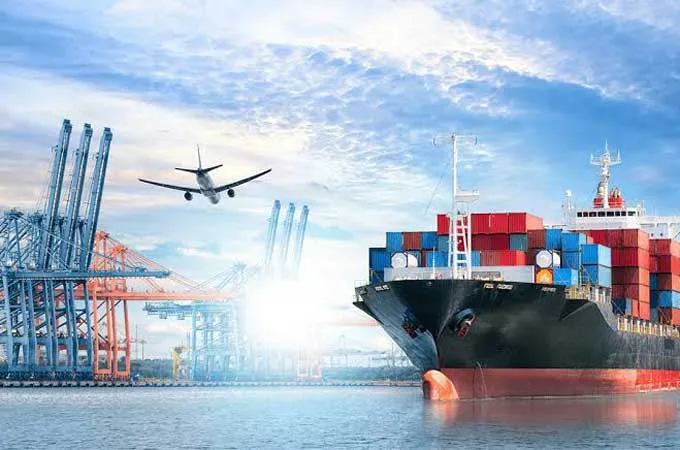
Structural strengths will support the resilience of the UAE’s non-oil economy to the US-Iran war, but a persistent period of regional insecurity will call into question logistical advantages and perceptions of the country as a commercial and financial centre and tourism destination, according to Fitch Ratings.
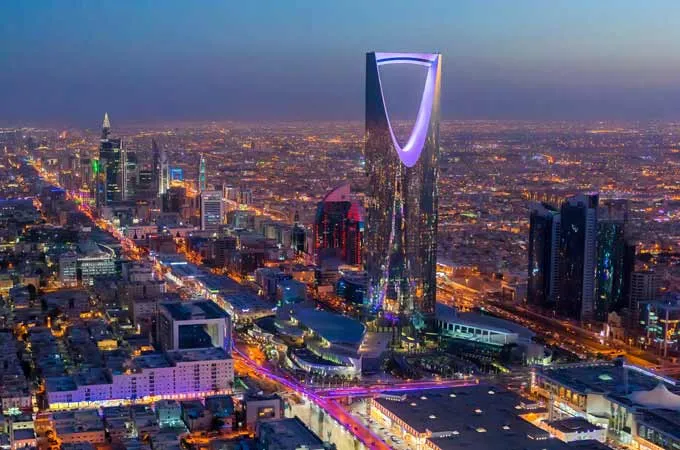
Saudi Arabia's real GDP is expected to contract 3.6% in 2026, largely because of a sharp decline in oil activity, even as the non-oil economy continues to expand, according to the Ministry of Finance's Pre-Budget Statement for 2027.

Bahrain continues to adopt a balanced approach that integrates environmental sustainability with economic development, said Dr Mohamed bin Mubarak Bin Daina, Minister of Oil and Environment and Special Envoy for Climate Affairs.

The Kingdom of Saudi Arabia stands to benefit from the ongoing shifts in global supply chains - from fair trade to a managed and rule-driven trade model - as it can play a vital role as a connector economy linking Africa with Europe and Asia, said its economy minister.

For economies to remain competitive in the future, they must prioritise investments in human capital, Princess Reema Bandar Al-Saud, Ambassador of Saudi Arabia to the US, told the World Economic Forum (WEF) Annual Meeting 2026 in Davos.

A new VisitBritain/VisitEngland report, Economic Value of Tourism in the United Kingdom, highlights tourism’s crucial role in the UK economy, contributing £147 billion ($198 billion) annually—around 5 per cent of GDP—through direct and supply chain impacts.

The global economy has shown resilience amid turbulence during the past year, including shifting trade policies – yet growth remains subdued and far below pre-pandemic levels, the UN said in a landmark report. The global economic output will be slightly below the 2.8% estimated for 2025.