Uncertainty over the future of the Strait of Hormuz deepened on Saturday as the United States and Iran traded conflicting claims over control of the strategic waterway, while commercial shipping remained severely disrupted and fresh attacks added to mounting concerns over the security of Gulf trade.
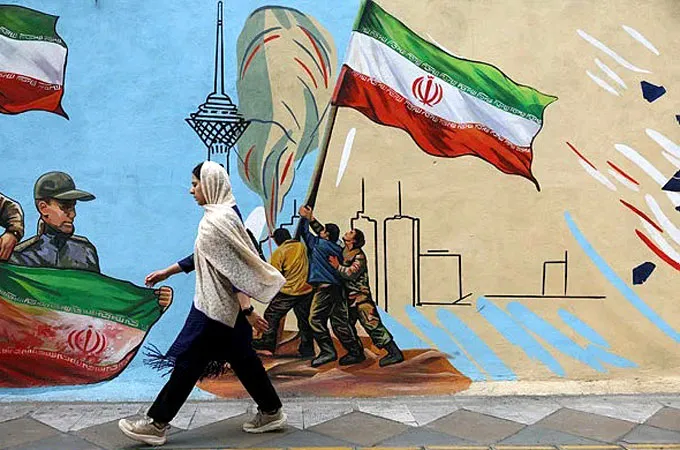
Iran called on the US to accept defeat while President Donald Trump blasted Tehran as 'very evil' and told Americans to brace for continued high fuel prices as progress toward peace talks and oil tanker traffic through the strategic Strait of Hormuz gateway remained halted, said a report.
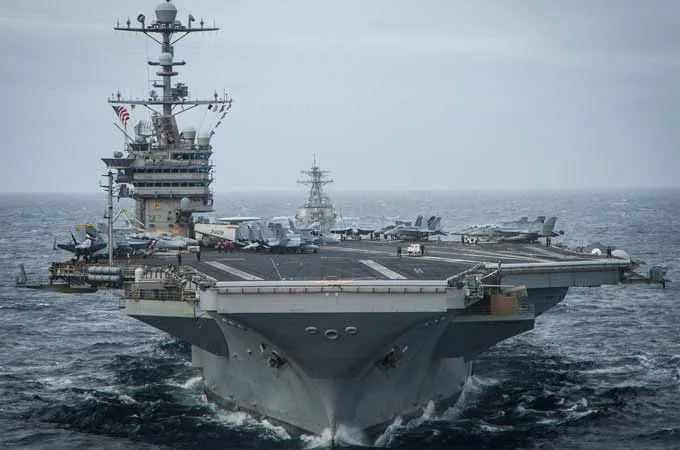
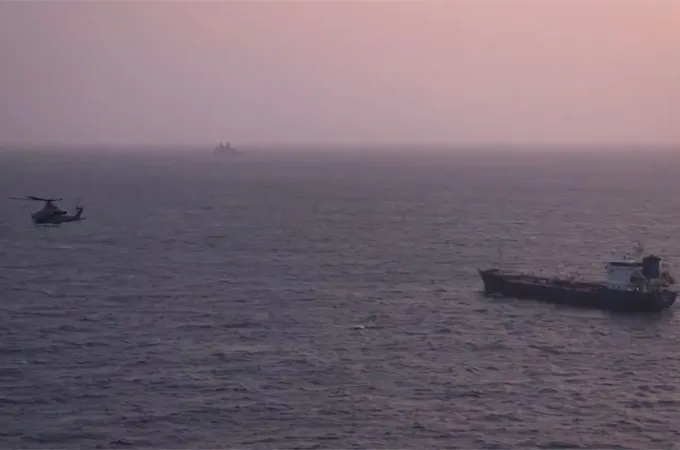
Two ADNOC vessels were attacked while transiting the Strait of Hormuz on Thursday, adding to growing tensions in the strategic waterway as the United States prepares tougher economic measures against Iran.

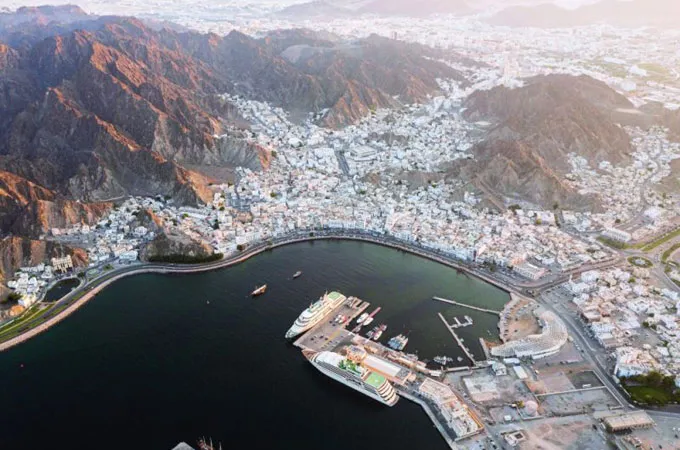
The Middle East conflict is widening into an increasingly complex security, shipping and environmental crisis, with an oil slick from a grounded tanker reaching Oman's coastline just as Iran signals that it may be prepared to sustain its confrontation with the United States for years.

The Strait of Hormuz is "under Iran's control and management", the recently appointed head of Iran's Basij paramilitary unit said on Thursday, a day after US President Donald Trump said the United States had "total control" of the strategic waterway.
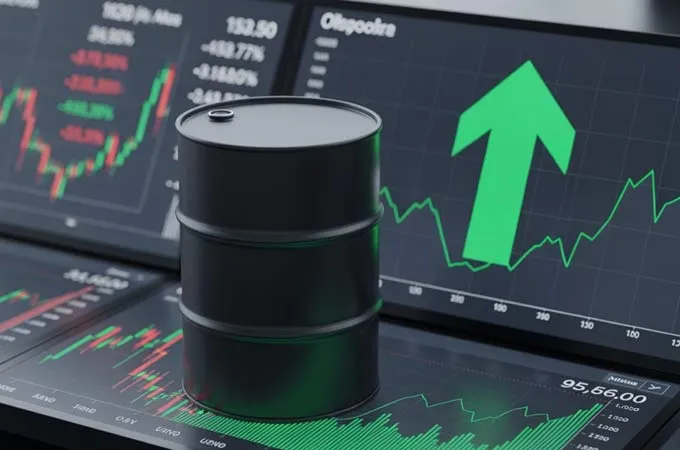
Oil prices extended their rally on Tuesday after surging about 5% in the previous session, as fresh demands by US President Donald Trump and Iran's insistence on major concessions from Washington cast renewed doubt over efforts to reopen the strategically vital Strait of Hormuz.

US President Donald Trump has signalled that Washington is putting greater emphasis on economic pressure on Iran, saying the United States is only “semi-negotiating” with Tehran as Iran grapples with severe inflation and financial strain.
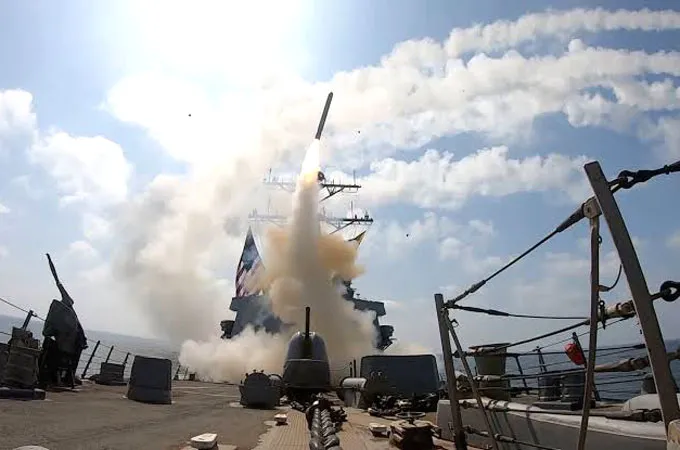
The US and Israel are planning 'one of the harshest bombing campaigns to date' against energy infrastructure targets in Iran, multiple sources told CBS News, with strikes possible throughout the weekend in a move that would mark a further escalation of regional tensions.
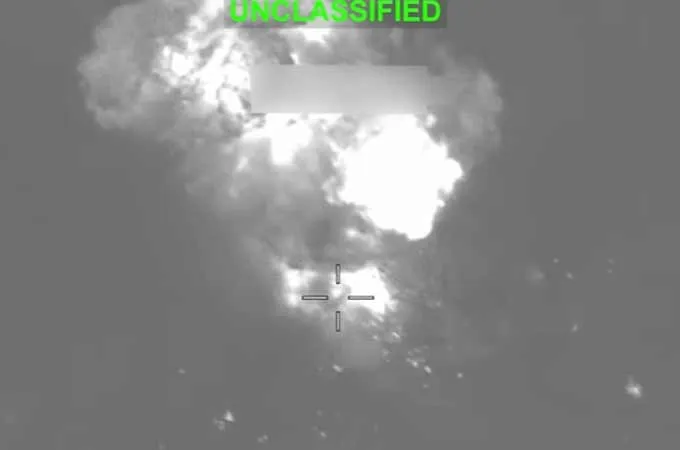
The United States launched a second consecutive day of major military strikes against Iran on Tuesday, targeting about 90 military sites along its coastline, as Tehran retaliated by firing missiles and drones at US military facilities in Bahrain and Kuwait, sharply escalating tensions across the Gulf.
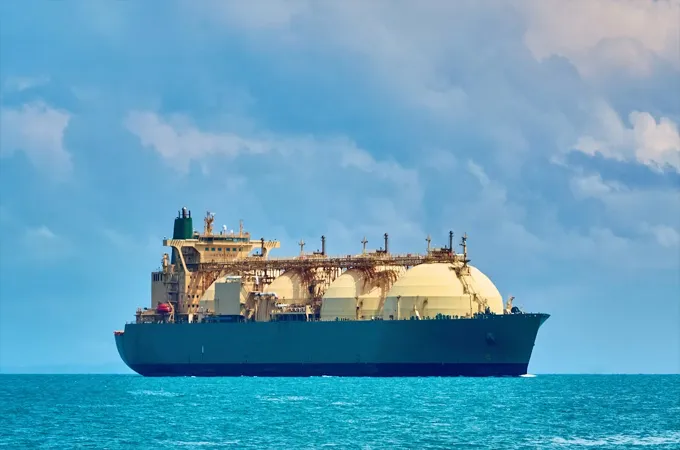
The International Energy Agency (IEA) forecasts global natural gas demand will fall 0.5 per cent in 2026 as Middle East conflict-driven supply disruptions, higher prices and reduced LNG flows through the Strait of Hormuz weigh on consumption.