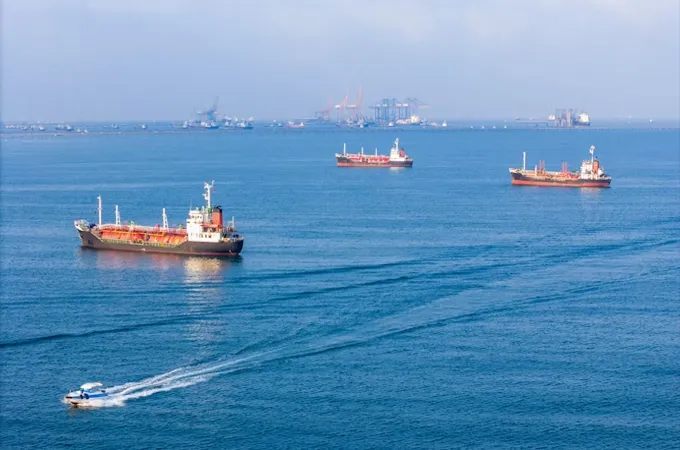
Global energy markets faced their worst supply shock after the near-closure of the Strait of Hormuz cut flows from 20 million to 2.7 million barrels per day, driving record price spikes and prompting emergency stock releases and global supply adjustments, according to International Energy Agency (IEA).
Oil prices surged on Monday after US President Donald Trump threatened renewed military action against Iran and warned that Washington could "take over" the Strait of Hormuz if ongoing negotiations with Tehran fail, reigniting concerns over global energy supplies.
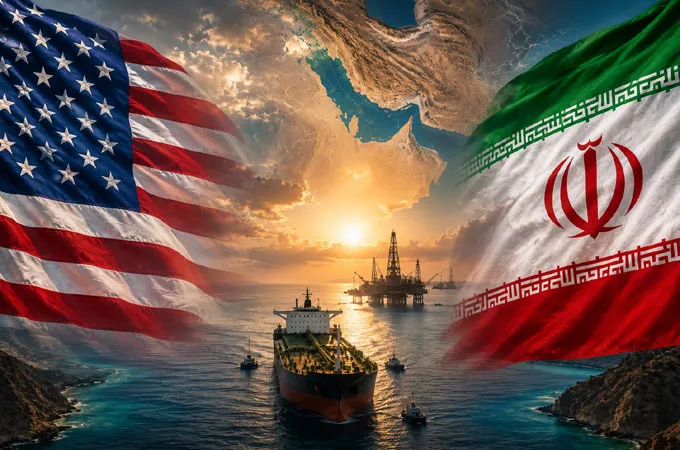
The United States and Iran have agreed on a roadmap aimed at reaching a comprehensive peace agreement in 60 days, marking a significant step forward in efforts to end hostilities despite renewed tensions over the Strait of Hormuz.
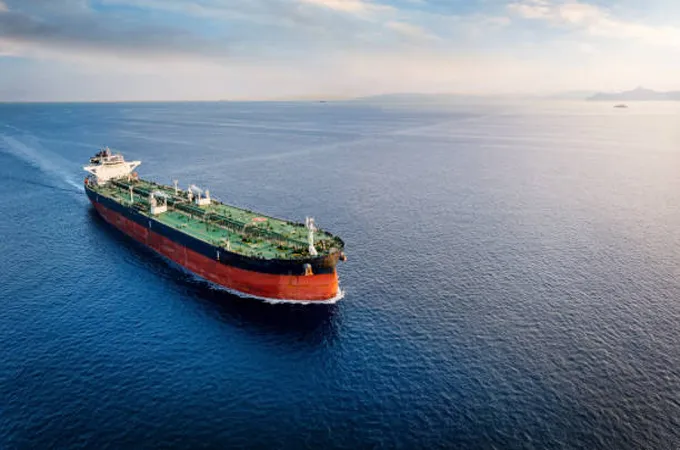
Iraq is preparing to expand crude oil and naphtha exports through Syrian ports as it moves to diversify trade routes after the Iran war disrupted its main Gulf shipping channels and effectively closed the Strait of Hormuz.
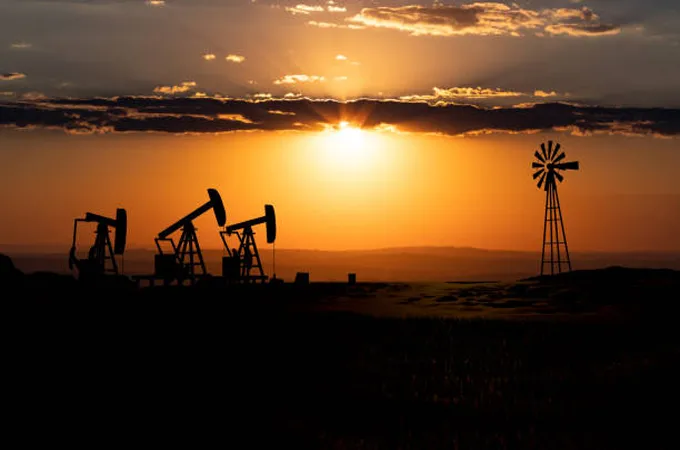
Iraq expects to return oil production from its southern fields to levels exceeding three million barrels per day within one to two months, Iraq's state news agency reported.

Nearly one billion people living in the world's most vulnerable economies could face higher living costs, inflation and slower growth as disruptions in the Strait of Hormuz drive up global oil prices, the United Nations Conference on Trade and Development (UNCTAD) has warned.
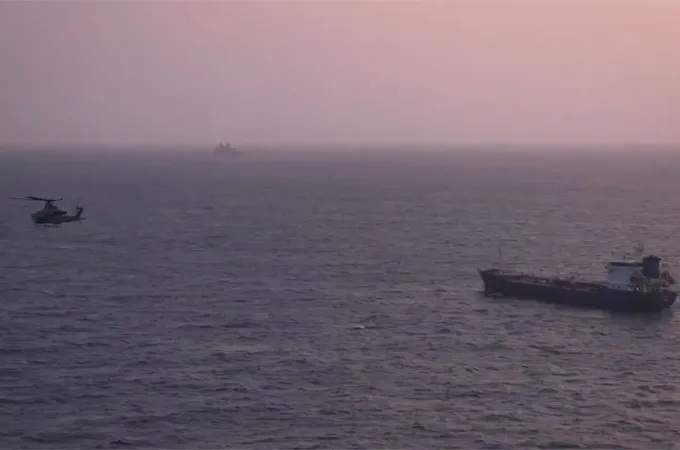
The United States has lifted its naval blockade of Iran and commercial shipping has begun cautiously returning to the Strait of Hormuz after Washington and Tehran signed an interim agreement aimed at ending months of conflict in the Gulf.
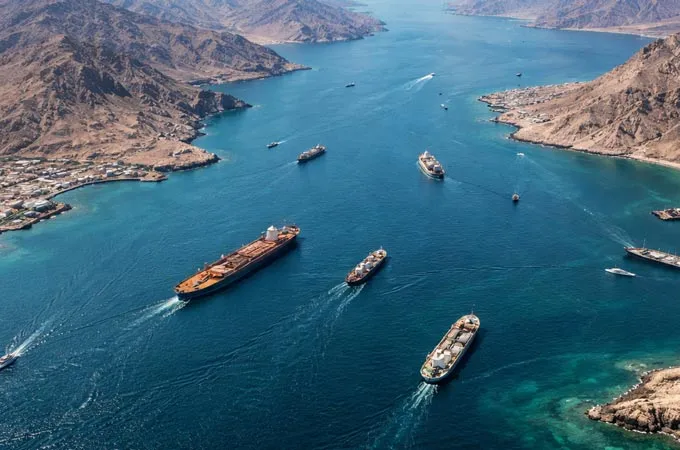
The US-Iran deal should allow a return of container shipping to the Strait of Hormuz, but the scale of disruption caused by the blockade puts a recovery of ocean supply chain networks at mid-September 2026, in a best-case scenario, says Xeneta, an ocean and air freight intelligence platform.
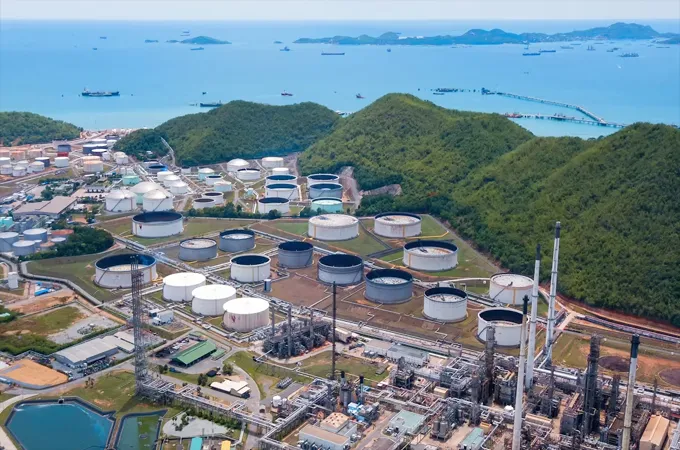
An International Energy Agency (IEA) report warns that disruptions to Strait of Hormuz energy shipments have exposed Southeast Asia’s dependence on imported fuels, highlighting the need for stronger energy security, diversification and efficiency measures as regional energy demand continues to rise.

The 14-point memorandum of understanding (MoU) signed by the United States and Iran aims to reopen the Strait of Hormuz while offering Tehran a pathway to significant economic relief. However, it defers many of the most contentious issues that fuelled the recent conflict to subsequent negotiations.