Global oil prices surged on Monday as escalating hostilities in the Middle East rattled energy markets, raising fears of a prolonged supply disruption from one of the world’s most critical oil-producing regions.
Brent crude, the international benchmark, jumped more than 7% in early trade, briefly climbing above $82 a barrel — its highest level in months — before easing slightly. US West Texas Intermediate (WTI) crude also recorded sharp gains, reflecting a growing geopolitical risk premium as traders reacted to intensifying attacks between Iran and Israel and the widening involvement of the United States.
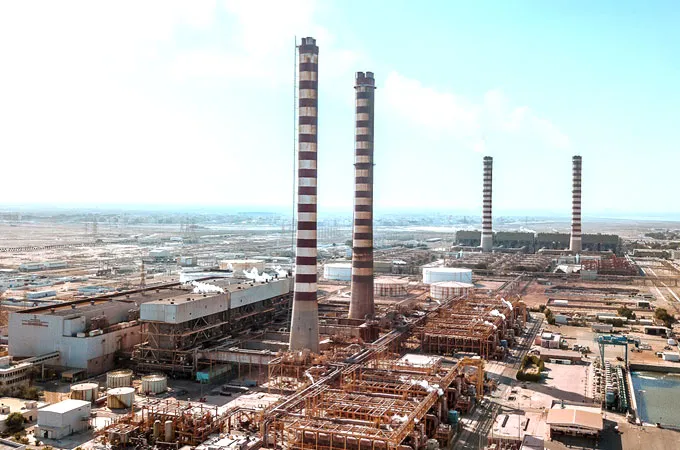
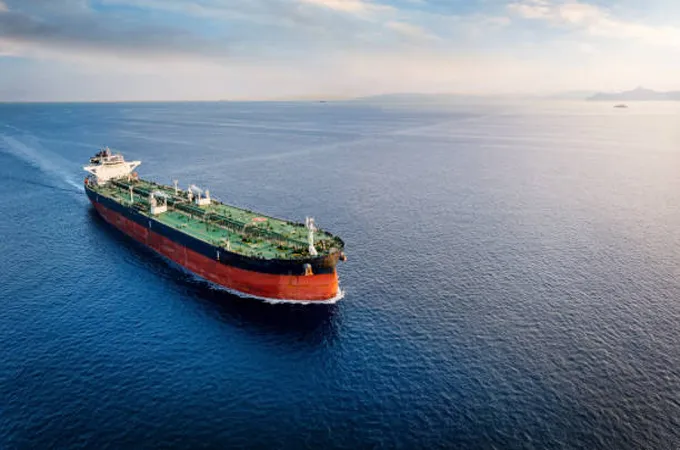
The biggest concern for markets remains the reported closure and disruption of shipping through the Strait of Hormuz, a narrow waterway that handles roughly 20% of global oil and significant volumes of liquefied natural gas. Tanker owners, oil majors and trading houses are said to have suspended shipments through the strait after heightened security threats and damage to vessels operating in the region. Producers including Saudi Arabia, the United Arab Emirates, Iraq, Kuwait and Iran rely heavily on the route to export crude to global markets.
Energy analysts say that even a temporary halt to traffic through Hormuz could remove several million barrels per day from the market, tightening supply at a time when inventories in key consuming regions are already under pressure. While some Gulf producers have alternative pipeline routes bypassing the strait, these are insufficient to fully offset a prolonged disruption.
Adding to market anxiety, Russia warned that any sustained closure of Hormuz would create “significant imbalances” in global oil and gas markets. Moscow expressed deep concern over the latest developments in Iran, signalling that the conflict could destabilise energy flows far beyond the region. Although Russia remains a major oil exporter itself, it has so far stopped short of indicating any direct intervention, instead calling for de-escalation.
In a parallel development, OPEC+ ministers agreed to proceed with a modest increase in oil production from April, estimated at just over 200,000 barrels per day. The move had been planned as part of a gradual unwinding of earlier voluntary cuts, but analysts say the additional supply is too small to calm markets if transit through Hormuz remains constrained.
Moreover, much of the group’s output would still need to pass through Gulf export terminals, limiting the immediate effectiveness of the increase.
Traders are now closely watching whether shipping traffic resumes and whether the conflict broadens further. Some market participants warn that if disruptions persist, prices could test the $90 to $100 per barrel range in the near term. Others note that strategic petroleum reserves held by major consuming nations could be deployed to stabilise markets if necessary.