US President Donald Trump said an angry Israel "violently lashed out" and attacked Iran's major gas field, a significant escalation in the US-Israeli war, leading to swift response from Tehran which hit Qatar's Ras Laffan Industrial City. He ruled out further such attacks by Israel unless Iran retaliated.
The Wednesday's attack on the huge South Pars gas field drove oil prices higher and prompted a threat by Iran to attack oil and gas targets across the Gulf, while it fired missiles at Qatar and Saudi Arabia.
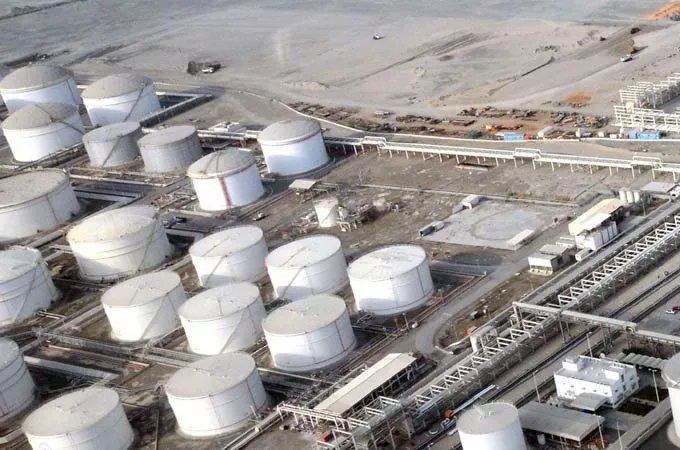
Israel struck at the crown jewel of Iran’s energy industry on Wednesday—the giant South Pars gas field that Iran shares with Qatar and is by far the largest in the world. Iran retaliated with two attacks on a major gas hub in Qatar just across the Gulf and a missile barrage fired at the Saudi capital, Riyadh, with debris landing near a refinery, reported the Wall Street Journal.
Israel and Iran had already hit energy facilities throughout the nearly three-week-old war, but Wednesday’s attacks struck some of the world’s most important hubs and raised the prospect of tit-for-tat volleys against oil-and-gas facilities. Already, the conflict has effectively closed the Strait of Hormuz, a strategic chokepoint between the Persian Gulf and the wider world that carries about 20% of the global oil and liquefied-natural gas supply during normal times.
Oil prices rose following strikes on critical energy infrastructure across the Middle East, topping $110 a barrel. State-run QatarEnergy said early Thursday that an Iranian attack Wednesday on its Ras Laffan Industrial City has caused extensive damage to Pearl GTL, the world’s largest gas-to-liquids plant, reported the WSJ.
A new wave of missile attacks early Thursday on several liquefied natural gas facilities at Ras Laffan also caused sizable fires and extensive further damage, QatarEnergy said in a statement.
Saudi Arabia said it intercepted and destroyed four ballistic missiles launched toward Riyadh on Wednesday and an attempted drone attack on a gas facility in its east.
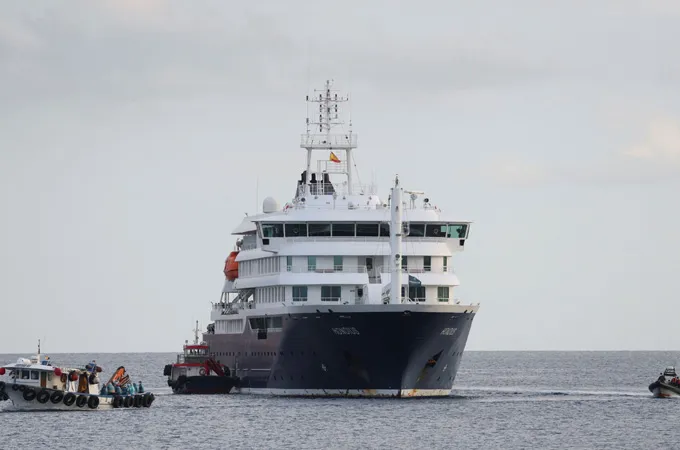
A vessel near Qatar’s Ras Laffan, which houses a gas hub that was attacked by Iran, was hit by a projectile, a U.K. maritime authority said. The U.K. Maritime Trade Operations Center said the vessel was four nautical miles east of Ras Laffan, adding an investigation was under way.
Earlier, a vessel was hit close to a coastal city in the United Arab Emirates, the UKMTO said. The projectile caused a fire onboard.
Earlier, the Wall Street Journal said Trump had approved of Israel's plan to attack Iran's natural gas field. "The US, which had previously pledged to rein in attacks on Iran’s energy infrastructure, was informed of the plan ahead of time and had no issues with it," stated its report citing American and Israeli officials on Wednesday.
President Trump had approved of the strike, US officials said, to pressure Iran to unblock the Strait of Hormuz. The officials said Trump believed Tehran received the message and wants to refrain from further strikes on Iranian energy infrastructure
Trump, however, denied stating that the US did not have advance knowledge of Israel's attack, adding that Qatar had not been involved.
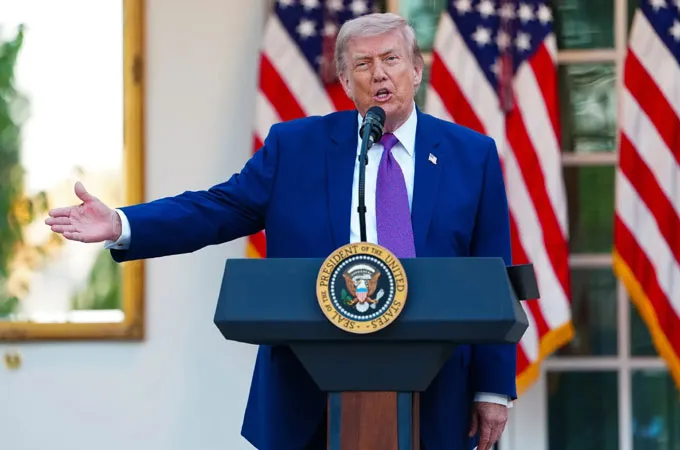
"Israel, out of anger for what has taken place in the Middle East, has violently lashed out at a major facility known as South Pars Gas Field in Iran," Trump posted on X on Wednesday.
"Unfortunately, Iran did not know this, or any of the pertinent facts pertaining to the South Pars attack, and unjustifiably and unfairly attacked a portion of Qatar’s LNG Gas facility."
"In which instance the United States of America, with or without the help or consent of Israel, will massively blow up the entirety of the South Pars Gas Field at an amount of strength and power that Iran has never seen or witnessed before."
South Pars is the Iranian sector of the world's largest natural gas deposit, which Iran shares with Qatar, a close US ally and host of the United States' biggest military base in the Gulf.
Since the start of the conflict, Tehran has targeted not just Israel, but US diplomatic and military facilities across the Gulf and warned its neighbours not to host attacks on Iran.
With de-escalation nowhere in sight, Trump is considering sending thousands more US troops to the Middle East, according to a US official and three people familiar with the planning, reported Reuters.
Those troops could be used restore the safe passage of oil tankers through the Strait of Hormuz, a chokepoint for a fifth of the world's oil trade.
The foreign ministers of 12 Muslim-majority countries meeting in Riyadh denounced Iran's strikes on Gulf neighbours and called for an immediate halt.
Iran's targeting of residential areas and civilian infrastructure, such as oil facilities, airports and desalination plants, could not be justified under any circumstances, the ministers said in a statement.
"This pressure from Iran will backfire politically and morally and certainly we reserve the right to take military actions, if deemed necessary," Saudi Foreign Minister Prince Faisal bin Farhan told a press conference after the diplomats met in Riyadh.
Interceptors were seen fired from near the Riyadh hotel where the conference was held around the time the ministers gathered for the consultative meeting on the Iran war.
The UAE shut down its Habshan gas facility after it intercepted missiles fired in what its foreign ministry called a "terrorist attack" by Iran.
Meanwhile, Abu Dhabi authorities said they intercepted missiles targeting Habshan gas facilities and the Bab oil field.
CIA Director John Ratcliffe said Iran posed an “immediate threat” to the US before the war began, disagreeing with the views of Joe Kent, the director of the National Counterterrorism Center who resigned Tuesday.
Kent said in an interview with Tucker Carlson that Israel drove the decision to go to war and US officials treated it as a “foregone conclusion.”