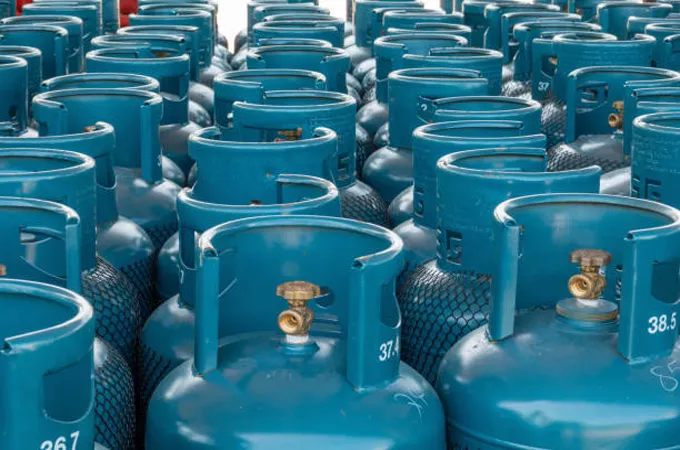
The global energy crisis triggered by the Middle East conflict is threatening access to cooking fuel for millions of vulnerable households across emerging and developing economies, according to the International Energy Agency (IEA).
In a new assessment, the agency warned
that disruptions to energy supplies through the Strait of Hormuz have created
severe shortages and price spikes in liquefied petroleum gas (LPG), the world’s
most widely used cooking fuel.
The IEA said daily oil supply losses
recorded in March 2026 exceeded the combined peak disruptions seen during the
oil shocks of the 1970s.
The report highlighted that around 3.4
billion people in developing countries rely on LPG as their primary cooking
fuel, with developing Asia accounting for nearly 2.4 billion users. Countries
such as India and Indonesia have expanded LPG access significantly over the
past decade, helping more than 800 million people shift away from traditional
fuels including wood, charcoal and kerosene.
However, both countries remain heavily
dependent on imports from the Middle East.
The IEA noted that roughly two-thirds
of India’s LPG imports in 2025 passed through the Strait of Hormuz, where
shipping flows have sharply declined since the outbreak of the conflict.
According to the agency, LPG exports
through the Strait dropped by about 80 per cent in March, falling from an
average of 1.5 million barrels per day in 2025 to only 0.3 million barrels
daily. Nearly 60 per cent of these exports supported cooking needs across
households, restaurants and food vendors in Asia, supplying enough fuel for
approximately 820 million people.
India has been among the hardest hit
countries, with LPG imports dropping by more than half during the first two
months of the crisis.
The government responded by increasing
domestic refinery production and introducing measures to protect household
access to cooking fuel.
Nevertheless, consumers have faced
rising prices and shortages, especially in commercial markets.
The IEA warned that limited LPG storage
capacity in many developing countries has left governments vulnerable to
prolonged supply disruptions.
Storage facilities in several countries
cover only between 10 and 75 days of national demand, with not all reserves
readily accessible during emergencies.
The crisis has also affected Africa,
despite the region sourcing relatively little LPG directly from Gulf producers.
The global nature of LPG markets has
driven prices sharply higher worldwide.
LPG import prices in India and East
Africa surged to around 90 per cent above 2025 averages in March, while West
Africa experienced increases of about 70 per cent.
The agency estimated that 45 per cent
of households using LPG in sub-Saharan Africa are now spending at least one
percentage point more of their income on cooking fuel than before the crisis.
Poorer households face the greatest pressure,
with many at risk of returning to traditional fuels such as wood and charcoal.
The IEA said governments have
introduced emergency measures including fuel subsidies, price caps and tax
reforms to shield consumers from rising costs.
At the same time, several countries are
accelerating efforts to promote electric cooking as an alternative to imported
fuels.
India and Indonesia have introduced
incentives to lower the cost of electric cookstoves, contributing to increased
appliance purchases.
Across Africa, the IEA noted that many LPG-using households already have electricity access, although unreliable power supplies remain a major obstacle to widespread adoption of electric cooking technologies. -OGN/ TradeArabia News Service