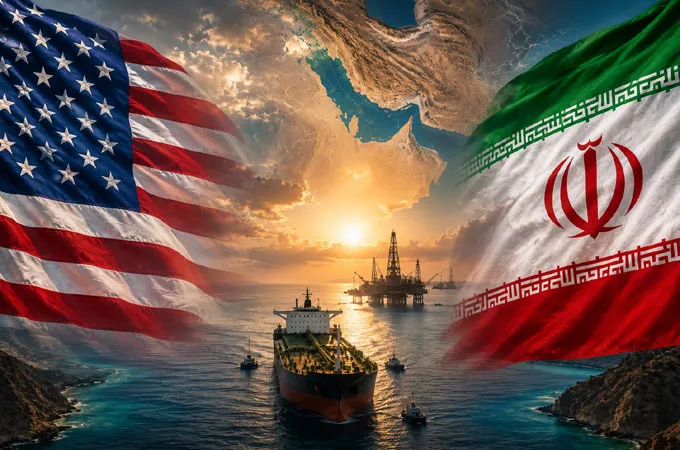
The United States and Iran have agreed to halt their latest hostilities in the Gulf and resume negotiations for a comprehensive treaty, raising hopes that a fragile interim peace arrangement can survive despite days of escalating military exchanges.
A US official said on Sunday that both sides had agreed to "stand down for now" following a series of confrontations near the strategic waterway, one of the world's most important shipping lanes.
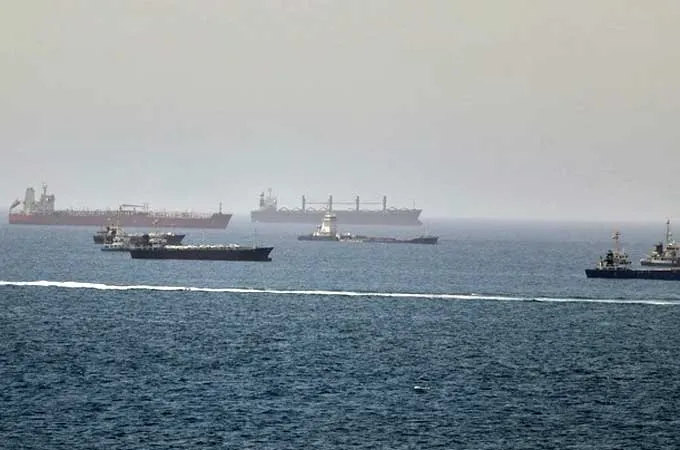
"Technical talks are slated to continue on all areas of the memorandum of understanding. Both sides will stand down for now and vessels can move freely," the official said, referring to the 14-point memorandum of understanding (MoU) reached on June 17 that paved the way for reopening the Strait of Hormuz to maritime traffic.
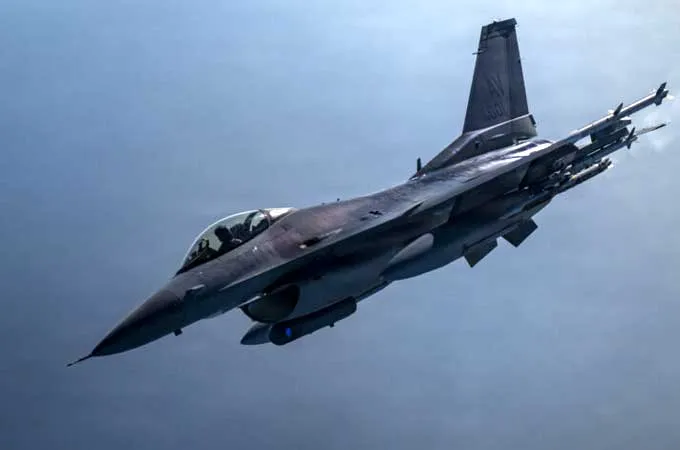
The latest military flare-up had cast doubt on the interim agreement, which was intended to suspend hostilities during a 60-day negotiating period. President Donald Trump had warned of further US military action if Iranian attacks continued, while Tehran cautioned that any ceasefire violations would lead to the suspension of diplomatic efforts.
A senior US administration official said technical discussions on implementing the MoU remain on schedule.
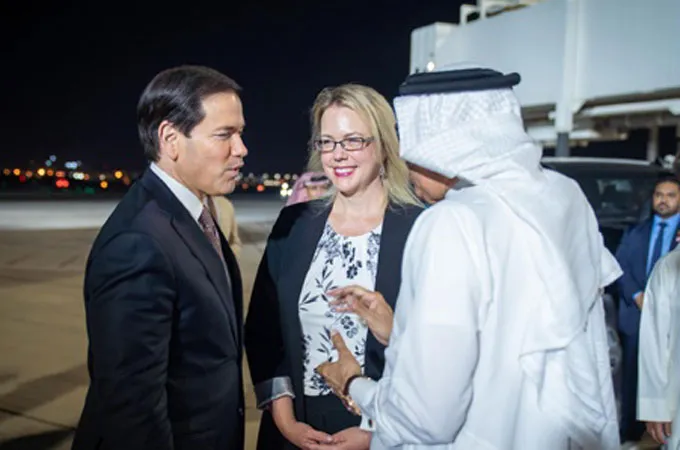
"Nothing has been cancelled. Technical talks regarding the implementation of the MoU are on track for the coming days as planned, and deconfliction channels are up and running after the Lake Lucerne Summit," the official said, referring to recent negotiations in Switzerland led on the US side by Vice President JD Vance.
According to CNN, the United States and Iran are expected to meet in Doha, Qatar, on Tuesday for another round of discussions. However, Iran has not publicly confirmed its participation, and its position on the latest understanding remains unclear.
Although Washington said commercial vessels could move freely through the Strait of Hormuz, the situation on the water remained tense, with the agreement yet to be fully reflected in maritime operations.
The broader regional conflict continues to complicate efforts to secure a lasting settlement. Iran has insisted that any final agreement with Washington must include a complete withdrawal of Israeli forces from Lebanon, where fighting involving Hezbollah has continued.
Iranian Foreign Minister Abbas Araghchi said countries in the region should not allow "their territory or facilities" to be used for attacks against Iran, according to the semi-official Tasnim news agency. He also argued that the United States bears direct responsibility for halting Israeli military operations in Lebanon, describing them as another major obstacle to regional peace.
Meanwhile, Gulf states continued to report the impact of the recent hostilities. Bahrain and Kuwait said they had been targeted by Iranian attacks, with a residential building in Bahrain's Muharraq Governorate suffering extensive damage.
Qatar's Interior Ministry also reported that a Qatari citizen aboard a vessel died after sustaining injuries from shrapnel generated by military operations in the area. The ministry did not specify which attack caused the casualties.